
Best times of year to paint exteriors: UK guide
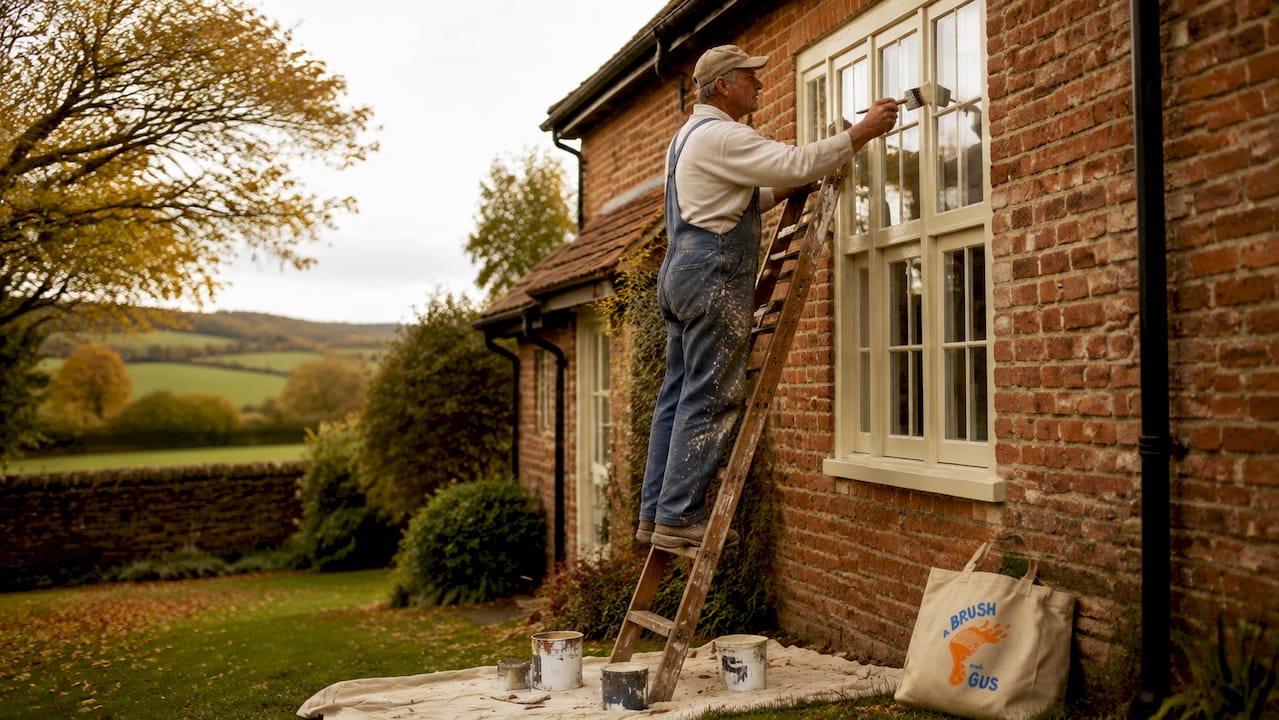
TL;DR:
Late spring and early autumn provide the best weather conditions for exterior painting, with stable temperatures and low humidity. Painting outside these seasons risks blistering, cracking, and peeling within a year due to unsuitable weather. Proper timing, monitoring weather forecasts, and early booking are essential for a long-lasting, quality finish.
Late spring and early autumn are the best times of year to paint exteriors, because these seasons deliver the temperature range, humidity levels, and dry weather windows that paint needs to cure properly. The industry standard for most exterior paints is an air temperature of 10–29°C and relative humidity below 80%. Paint applied outside these conditions is far more likely to blister, crack, or peel within a year. Getting the timing right is not a minor detail. It is the single biggest factor separating a finish that lasts a decade from one that fails before the next winter.
1. Late spring (may and june): the best window for most homes
Late spring is the most reliable period for exterior painting in the UK. Temperatures sit comfortably within the ideal 10–29°C range, daylight hours are long, and humidity is moderate rather than oppressive. Surfaces dry evenly, and paint film forms without the stress of extreme heat or cold.
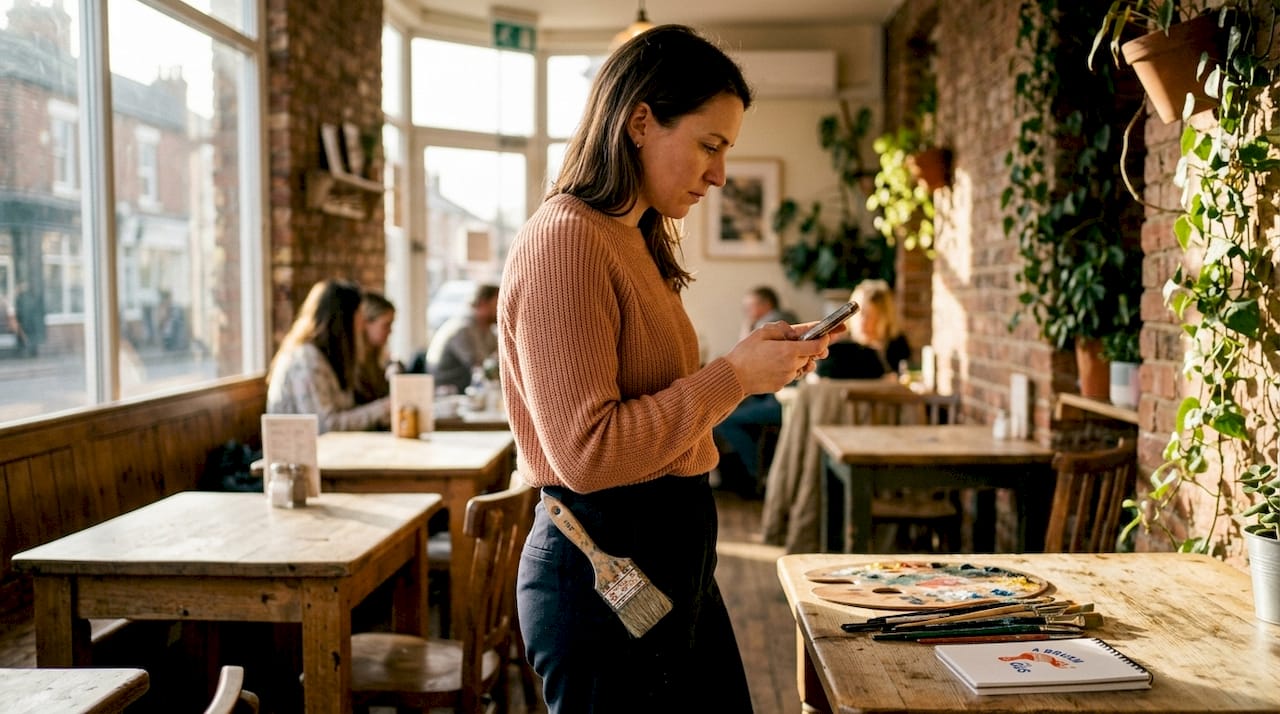
May and june also give you the longest usable working day. You can start mid-morning once any overnight dew has lifted and work well into the evening without racing against fading light. That flexibility matters when you are tackling a full house exterior.
Pro Tip: Check a multi-day forecast before you start. You need at least 48 hours of dry weather after the final coat. A settled high-pressure system in late may is your best friend.
2. Early autumn (september and october): the underrated season
Early autumn rivals late spring as an ideal painting window, and many professional decorators actually prefer it. Temperatures remain stable, rainfall is not yet at its winter peak, and insect activity and pollen levels drop significantly. Fewer airborne particles mean cleaner surfaces and a smoother finish.
September and october also tend to have more settled weather patterns than the unpredictable early summer. The light is softer and more consistent throughout the day, which helps you spot runs and missed patches more easily. If you missed the spring window, early autumn is not a compromise. It is a genuine first choice.
3. Early spring (march and april): possible but proceed with caution
Painting an exterior in spring during march and april is possible, but it carries more risk than later in the season. Substrates take longer to dry out after winter saturation, and cold snaps can arrive without warning even on sunny days. Substrate temperature often lags behind air temperature in early spring, meaning a wall that feels warm to the touch may still be too cold for proper adhesion.
The key test is surface temperature, not the reading on your phone’s weather app. If the substrate is below 10°C, hold off regardless of how pleasant the air feels. Early spring works best for south-facing walls that warm up quickly and for projects in the milder parts of the South West.
4. Early summer (june into july): workable with shade scheduling
Early summer extends the late spring window but introduces a new risk: midday heat. Direct sunlight can push surface temperatures well above 29°C, causing paint to dry too fast. Rapid drying under direct sunlight traps solvents beneath the paint skin, leading to blistering and premature failure.
The solution is shade scheduling. Experienced painters work around the sun, painting east-facing walls in the afternoon and west-facing walls in the morning. This technique keeps surface temperatures within the safe range without waiting for cooler weather. If you are doing this yourself, plan your day around shade rather than convenience.
Pro Tip: Use an infrared thermometer to check surface temperature before you start each wall. Air temperature alone does not tell you whether the substrate is ready.
5. Mid-summer peak heat: the season to avoid
Mid-summer, particularly july and august in the UK, is the period most homeowners assume is ideal for exterior painting. The reality is the opposite. High temperatures accelerate drying too aggressively, humidity can spike after warm spells, and afternoon thunderstorms arrive with little warning. Painting below 10°C is discouraged, but painting above 29°C is equally damaging.
The risk is not just cosmetic. Paint applied in extreme heat bonds poorly to the substrate, which means the finish may look acceptable initially but fail within months. If mid-summer is your only option, restrict work to early mornings before 10am and monitor surface temperatures closely.
6. Autumn into winter (november onwards): when to stop
Once november arrives in most parts of the UK, exterior painting becomes genuinely risky. Temperatures drop below 10°C regularly, and condensation from evening dew in shoulder seasons can degrade freshly applied paint overnight. A sharp temperature drop after application undoes hours of careful work.
Some specialist coatings can be applied down to 1.7°C, but these require strict adherence to manufacturer guidelines and are not suitable for standard latex or masonry paints. For most homeowners, november through to february is the period to plan and prepare rather than paint.
How temperature and humidity affect exterior paint performance
Paint performance depends on three environmental factors: air temperature, surface temperature, and relative humidity. All three must sit within acceptable ranges simultaneously for paint to cure correctly.
The critical conditions for most exterior paints are:
Air temperature: 10–29°C throughout application and for several hours after
Surface temperature: must match or exceed air temperature; measure with an infrared thermometer
Relative humidity: below 80% for at least 4–6 hours post-application
Rain-free window: at least 24–48 hours after painting to prevent blistering and adhesion failure
Substrate dryness: surfaces must be dry for at least 24 hours before you start
When humidity exceeds 80%, the water in the paint cannot evaporate properly. The film forms unevenly, trapping moisture and creating weak spots. This is why a warm but damp day is worse than a cooler dry one.
Regional and local climate considerations for UK homeowners
The UK is not a single climate. The South West, where Abrushwithgus operates, tends to be milder and wetter than the Midlands or the North. That has direct implications for exterior painting timing in South West UK.
Key regional points to factor into your planning:
South West UK: milder winters mean early spring and late autumn windows are longer, but higher annual rainfall demands careful forecast checking
Northern England and Scotland: the ideal window is shorter, often limited to june through september
East of England: lower rainfall makes spring and autumn more reliable, but easterly winds can carry dust that contaminates wet paint
All regions: check the Met Office forecast for your specific postcode, not just a regional summary
Booking exterior painting projects 2–3 months ahead is the standard professional recommendation. Peak demand in may, june, september, and october means quality painters fill their diaries fast. If you wait until the weather looks perfect to start looking for a decorator, you will find the best ones are already booked.
Common mistakes homeowners make when scheduling exterior painting
Timing errors account for a large proportion of premature paint failures. The most common mistakes are predictable and avoidable.
Painting too soon after rain. Surfaces absorb moisture and hold it longer than they appear to. A wall that looks dry after 12 hours may still be damp beneath the surface.
Ignoring surface temperature. Air temperature and substrate temperature are different measurements. Surface temperature determines curing success, not the reading on a weather app.
Painting in direct strong sunlight. This causes rapid drying that blisters and cracks the finish. Schedule work to follow shade patterns across the building.
Painting near dusk. Evening dew can settle on fresh paint within hours of application, especially in autumn. Stop work at least two hours before sunset.
Leaving booking too late. Homeowners who wait for a settled forecast before contacting a painter often find no availability. The longest-lasting finishes come from stable, moderate weather, not rushed jobs squeezed into a brief gap.
Pro Tip: Monitor a five-day forecast rather than a 24-hour one. You need dry conditions before, during, and after painting. A single day of sunshine surrounded by rain is not a usable window.
Understanding what causes paint to peel outdoors often comes down to these exact scheduling errors. Avoiding them costs nothing but a little patience.
Key takeaways
The best exterior paint results come from late spring or early autumn, when temperature, humidity, and dry weather align consistently.
Point | Details |
Ideal seasons | Late spring (may–june) and early autumn (september–october) offer the most reliable conditions. |
Temperature range | Keep air and surface temperatures between 10°C and 29°C throughout application and curing. |
Humidity limit | Relative humidity must stay below 80% for at least 4–6 hours after painting. |
Rain-free window | Allow 24–48 hours of dry weather after the final coat to prevent blistering and adhesion failure. |
Book early | Secure your painter 2–3 months ahead of your target window to avoid peak-season scheduling gaps. |
Angus’s view on timing your exterior project
The question I get asked most often is: “Can we start next week?” My honest answer is usually: “It depends on the wall, not the calendar.” I have seen beautifully prepared surfaces ruined by a single cold night in april, and I have completed excellent jobs in october that have held up for years. The calendar is a rough guide. The actual conditions on the day are what matter.
What I have learned from years of working on exteriors across the South West is that patience pays. Homeowners who wait for a genuine settled window, rather than grabbing the first dry day after a wet spell, consistently get better results. The paint adheres properly, the finish looks cleaner, and the job lasts longer. That is not luck. It is timing.
The other thing I would say is this: do not underestimate how quickly the good slots fill up. We start getting enquiries for may and june work in february and march. If you are serious about getting your exterior done in the best conditions, plan ahead. A rushed job in unsuitable weather is not a bargain. It is an expense you will repeat sooner than you should.
— Angus
Exterior painting services timed to the UK seasons
Abrushwithgus offers specialist exterior painting for homes across the South West, with scheduling built around the seasonal windows that deliver the best results. Gus and Rhys understand the local climate, which means your project is planned for conditions that give the paint the best possible chance of lasting.

Whether you need a full exterior repaint, masonry work, or domestic decorating services, the team works with you to identify the right window and lock in a date before the peak season fills up. Get in touch early for a no-obligation quote and secure your preferred slot for spring or autumn.
FAQ
What are the best months for house painting in the UK?
May, june, september, and october are the best months for house painting in the UK. These months offer stable temperatures within the 10–29°C range and moderate humidity suited to proper paint curing.
What temperature is too cold to paint outside?
Painting below 10°C is generally not recommended for standard exterior paints. Some specialist coatings permit application down to 1.7°C, but only under strict manufacturer guidelines.
How long after rain can you paint an exterior?
Surfaces should be dry for at least 24 hours before painting begins. After the final coat, rain must stay away for at least 24–48 hours to prevent blistering and adhesion failure.
Does humidity affect exterior paint?
Relative humidity above 80% prevents proper film formation, trapping moisture in the paint layer and creating weak spots. Always check humidity alongside temperature before starting any exterior painting work.
When should you avoid painting an exterior?
Avoid painting during mid-summer peak heat above 29°C, in direct strong sunlight, near dusk when dew can settle, and throughout winter when temperatures regularly drop below 10°C.
Recommended
Comments