
UK Homes: Diagnose Moisture First to Stop Exterior Wall Efflorescence
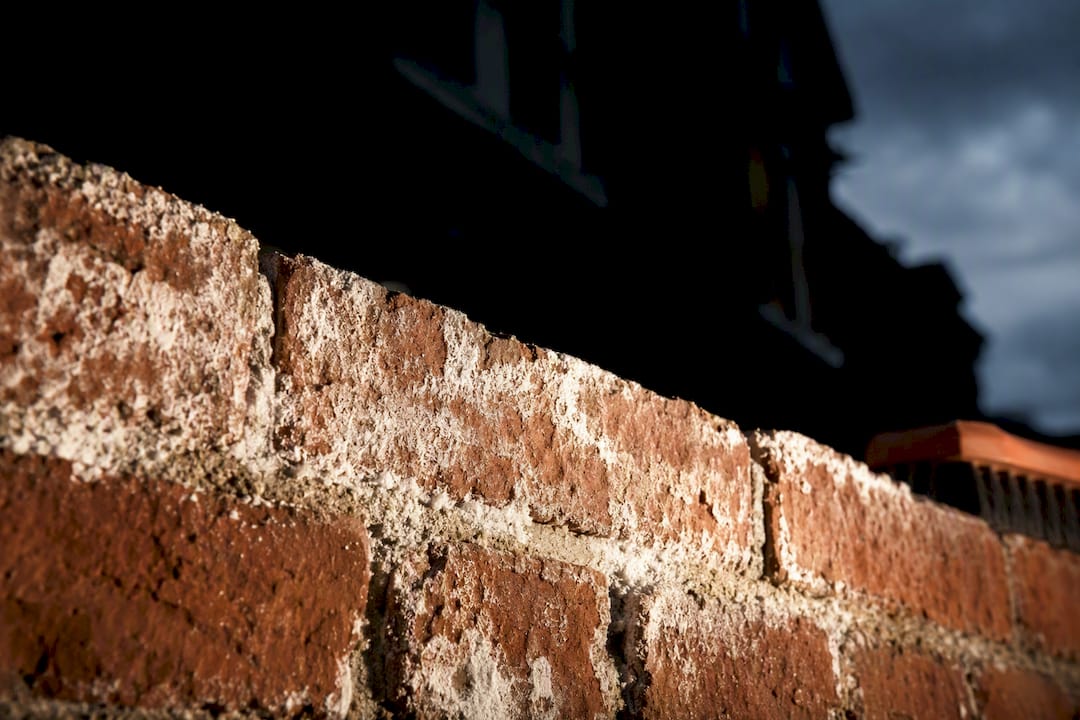
Efflorescence is the white, powdery salt deposit that appears on brick, render, or masonry as moisture evaporates from the surface. It’s usually cosmetic rather than structural, so a light dusting after a wet winter rarely needs urgent action. Recurring or heavy patches are different: they usually point to water still finding its way into the wall, and the smart move is to photograph the pattern before you clean anything off.
TL;DR:
Efflorescence typically appears along mortar joints, window sills, and ground-level areas where water ingress or rising damp occurs.
Cleaning should start with dry brushing and gentle rinsing, with acid treatments reserved for stubborn, crusted patches after testing small areas.
Persistent or recurring efflorescence indicates ongoing water entry, often requiring repairs to gutters, pointing, or drainage rather than just surface cleaning.
New-build efflorescence usually fades within one to two years, while active leaks can cause it to reappear frequently unless the moisture source is addressed.
A professional survey involves moisture measurements, inspection of drainage and flashing, and targeted repairs before cleaning to prevent recurring salt deposits.
Table of Contents
What does efflorescence on exterior walls actually look like?
Fresh efflorescence looks like a fine, chalky white or grey powder sitting on the surface, often brushable with a dry hand. Older or repeated deposits can harden into a crusty, almost glassy layer that clings to mortar joints and refuses to budge with a simple wipe.
You’ll usually find it concentrated in specific spots rather than spread evenly across a wall:
Along mortar joints, where moisture tracks through more easily than through the brick or block itself
Beneath window sills and cill details, where rainwater runs off and pools briefly
On lower courses near ground level, where rising damp or splash back from paving is common
Around chimney stacks, parapets, and other exposed features
A quick test helps you tell efflorescence apart from paint bloom or general grime: rub it between your fingers. Efflorescence feels gritty and dissolves slightly if you dab it with a wet cloth, while chalky paint degradation tends to stay powdery and even, and salt staining from de-icing products often has a duller, brownish tinge. Before touching any of it, photograph the affected areas straight on and from an angle, noting the date, the exact stain location and pattern, and whether it appears worse after rain.
Why does efflorescence form on brick and render?
Three things have to line up for efflorescence to appear: soluble salts within the masonry or mortar, moisture to dissolve them, and a path for that moisture to travel to the surface and evaporate. Take away any one of the three and the white bloom simply doesn’t happen, which is why fixing the moisture route usually matters more than scrubbing the surface.
In the UK, that moisture typically comes from one of a handful of sources:
Rain penetration through cracked render, failed pointing, or porous brick facing prevailing weather
Rising damp where a damaged or missing damp-proof course lets ground moisture climb through masonry
Residual construction moisture in new brick, block, or render that hasn’t fully dried out yet
Condensation building up behind cladding or within cavities with poor ventilation
Leaking or overflowing guttering, downpipes, and flashings that soak a localised patch of wall
Material choice and detailing play a bigger role than most homeowners expect. Soft, handmade bricks and lime mortars are naturally more porous and carry more soluble salts than dense engineering brick, so older Cornish cottages and Victorian terraces often show more bloom than a modern cavity-wall build, even with similar rainfall exposure. Poorly designed cill overhangs, missing weep holes in cavity walls, and cement-rich pointing on soft brick all speed up the process by giving water more places to sit and salts more chances to migrate. A homeowner’s guide to how moisture enters walls is worth a read if you want to understand the mechanics before deciding what to fix first.
Is it new-build bloom or a sign of active leaks?
New-build efflorescence is often just the structure shedding its own construction moisture. Fresh brick, block, and render hold water from mixing and curing, and as that dries out over the first year or two, dissolved salts travel to the surface and crystallise. Professionals often deliberately hold off on invasive cleaning during this period, monitoring instead of scrubbing while the building settles.
Recurrent efflorescence is a different story. Watch for these warning signs:
The same patch reappears within weeks of cleaning, especially after rain
Internal walls near the affected area show damp patches, cold spots, or peeling paint
Mortar joints feel soft, crumbly, or are visibly eroding
The staining follows a consistent pattern tied to a specific detail, like below a particular sill or downpipe joint
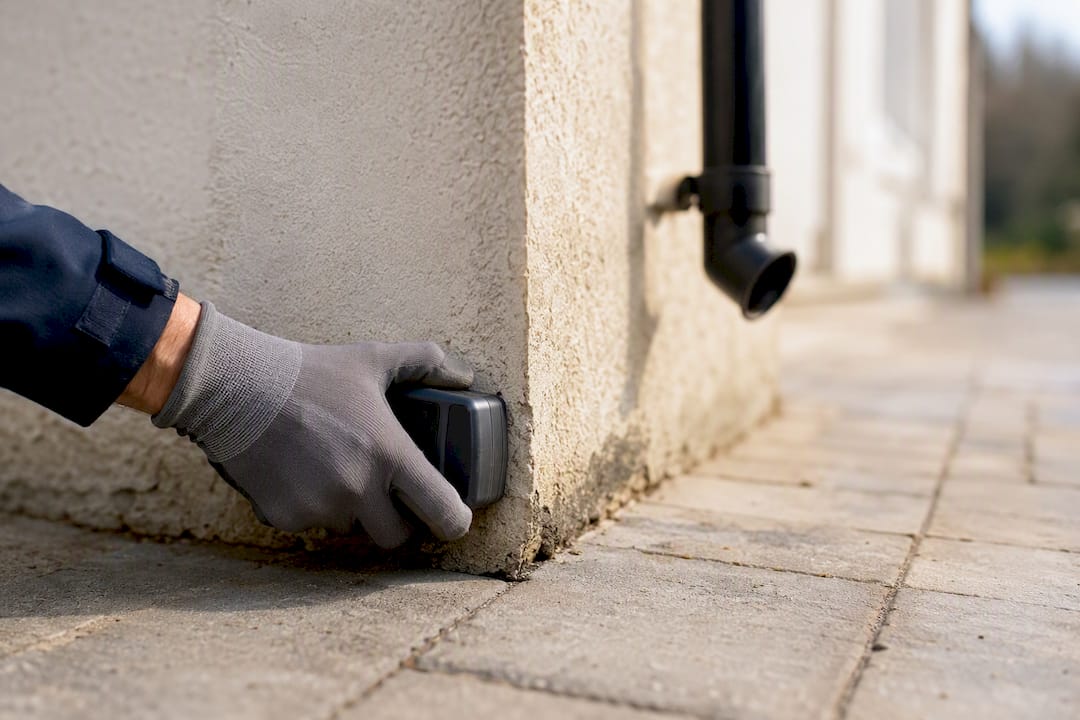
If any of those apply, work through a short checklist: photograph and date the area, note whether it worsens after specific weather, check gutters and flashings for blockages or gaps, and consider a moisture meter reading on the affected masonry.
Pro Tip: Take photos at the same time of day and distance each visit. Comparing like-for-like images months apart makes it far easier to prove whether a patch is fading naturally or getting worse.
How do you remove efflorescence from brickwork safely?
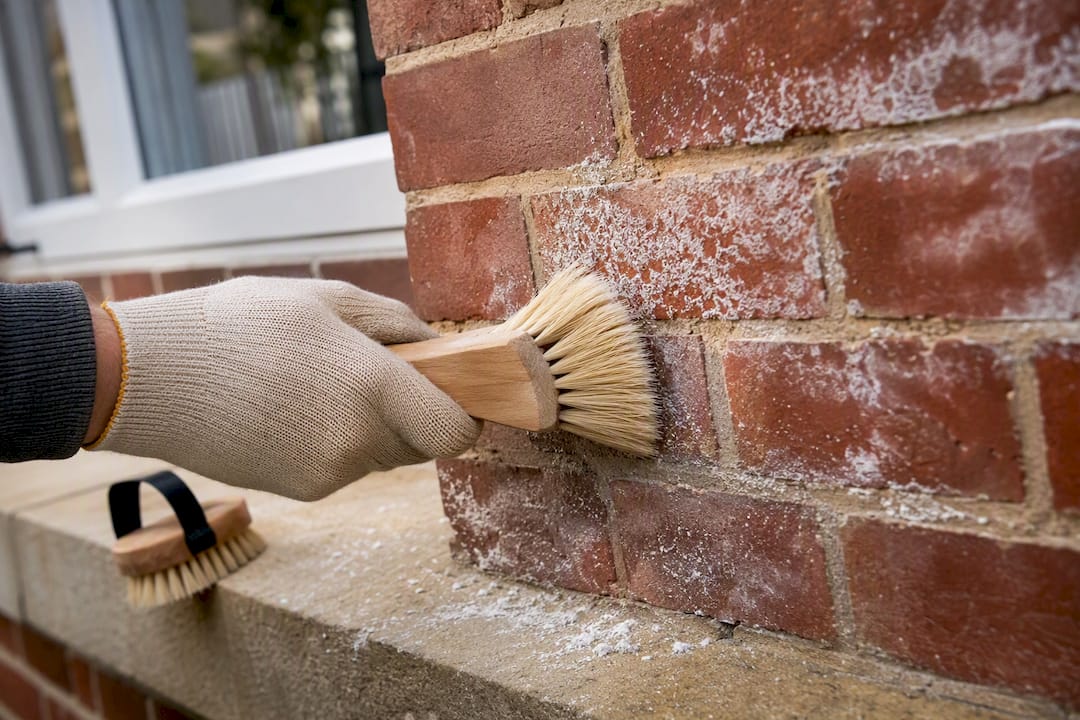
Start gentle and only escalate if you need to. Most fresh efflorescence responds to a stiff dry brush worked across the surface, followed by a light rinse with a garden hose rather than a jet washer.
Dry brushing first: a natural or synthetic bristle brush lifts loose powder without pushing moisture into the wall
Low-pressure rinsing next: plain water, not a pressure washer, since forcing water into masonry can actually worsen future efflorescence
Commercial masonry cleaners or poultice treatments for stubborn patches, always tested on a small, inconspicuous section first
For hard, crusted deposits that won’t shift with brushing, dilute acid cleaning is sometimes used, though it demands care. Guidance from The Concrete Society recommends dilute muriatic or phosphoric acid at low strength, applied only after pre-wetting the wall to stop the acid soaking in too deep, and tested on a small inconspicuous patch before wider use. Scour gently with a stiff brush, then rinse thoroughly and immediately: leave acid sitting too long and you risk etching the surface, bleaching mortar colour, or damaging soft historic brick permanently.
That’s the point to stop and call a professional instead of pushing on yourself: if you’re dealing with historic or soft handmade brick, hard calcium carbonate crusts that resist brushing, or deposits that keep returning no matter how well you clean them. A full guide to cleaning exterior walls covers the wider process if you’re tackling general grime alongside efflorescence.
How do you stop efflorescence coming back?
Cleaning without fixing the moisture source just buys you a few months before the salts return. Long-term prevention means dealing with the water first and the salt second.
Clear and repair guttering, downpipes, and flashings so rainwater is carried away rather than soaking into the wall face
Check and repoint failed or cracked mortar joints, particularly around sills, cills, and cavity details
Improve ground-level drainage and grading so water doesn’t pool or splash against the base of the wall
Inspect cavity walls for blocked weep holes, which stop trapped moisture escaping as designed
Consider a clear, breathable water-repellent treatment on porous masonry, understanding it’s a supplement to repairs, not a replacement for them
That last point deserves a caveat: breathable repellents can give a wall useful protection for around a decade in many settings, but applying one over a wall that’s still taking on moisture from elsewhere can trap that moisture and cause spalling or worse problems behind the surface. If you’re planning to repaint after treatment, a breathable masonry paint suited to the substrate matters more than most people realise, and pairing it with correct damp-proofing painting practice avoids sealing in moisture you haven’t actually solved. On the drainage side, sorting out paving and grading around the property often does more for a damp wall than any coating ever will. A twice-yearly check, once before winter and once after, catches blocked gutters and failing seals before they become a wall full of salt.
What does a professional survey for efflorescence involve?
A proper survey starts the same way we’d advise any homeowner to start: mapping where the staining appears, photographing it, and noting when it gets worse. From there, a surveyor or contractor typically works through a structured process:
Measuring surface and, where possible, internal moisture levels with a meter
Checking adjacent internal walls for damp patches, cold bridging, or mould
Inspecting flashings, cills, gutters, and cavity weep holes for defects
Identifying whether the deposits sit on new construction, an older repair, or original fabric
Common remedies flow directly from what’s found: repointing failed mortar, repairing or replacing flashing, correcting drainage, and only then targeted cleaning with a breathable coating if appropriate. Before booking anyone, ask what evidence they’ll collect, whether the quote covers just cleaning or also the underlying repair, and what access to the property they’ll need. A professional cleaning service that understands this diagnose-first order is worth more than one that simply turns up with a pressure washer.
Diagnose the moisture before you touch the wall
Most calls we get about white staining start the same way: someone’s scrubbed it off, it’s come back within a season, and now they’re wondering if the wall is failing. It usually isn’t. What’s failing is a piece of flashing, a blocked weep hole, or pointing that’s had its day, and the salt bloom is just the visible symptom.
The habit worth building is patience before product. Photograph it, watch it through a wet spell, check the obvious culprits like guttering and cills, and only then decide whether you’re cleaning a cosmetic mark or fixing a leak. Skipping straight to a wire brush or a bottle of acid treats the wrong problem and can mask early warning signs a survey would have caught in minutes. If a Cornish property you manage or own keeps producing the same white patch in the same spot, that’s a pattern worth having looked at properly rather than cleaned away for the third year running.
— Angus
How A Brush With Gus tackles efflorescence and exterior wall problems
Some professional firms focus on cleaning the patch but not the cause. Good practice involves checking flashings, guttering, and pointing before any masonry is cleaned, to avoid repeated cleaning work the following year.

A typical site visit starts with exactly the diagnostic steps covered above: mapping where the staining sits, checking nearby gutters and cills, and assessing whether the deposits are fresh bloom or a sign of ongoing water entry. From there we can quote for the right combination of work, whether that’s a straightforward exterior cleaning job, broader exterior home repairs covering flashing or pointing, or a full repaint once the moisture source is under control. We also handle UPVC spraying and general domestic decorating work across Cornwall and the South West, so if efflorescence turns up alongside tired render or peeling window frames, one visit can cover the lot. Get in touch for a quote and we’ll tell you honestly whether it’s a clean, a repair, or both.
Sources
FAQ
Can efflorescence be removed permanently?
Not by cleaning alone. Surface removal without fixing the moisture source rarely lasts, and the deposits will typically return until the water path into the wall is corrected.
Does efflorescence mean my walls are damp?
Not necessarily. Light, one-off bloom on new masonry is often just construction moisture drying out, but recurring deposits alongside internal damp patches or crumbling mortar usually mean water is actively getting in.
How do you get rid of efflorescence on brickwork?
Start with dry brushing and a gentle water rinse; if that doesn’t shift it, specialist cleaners or dilute acid solutions can be used carefully on small test areas, always followed by thorough rinsing.
How long does brick efflorescence last?
New-build bloom often fades within a year or two as the structure finishes drying out and rain washes the salts away, but efflorescence tied to an ongoing leak can persist indefinitely until the moisture source is repaired.
Recommended
Comments