
10 biggest painting challenges homeowners face
- WM Creative Designs Limited
- 1 day ago
- 10 min read
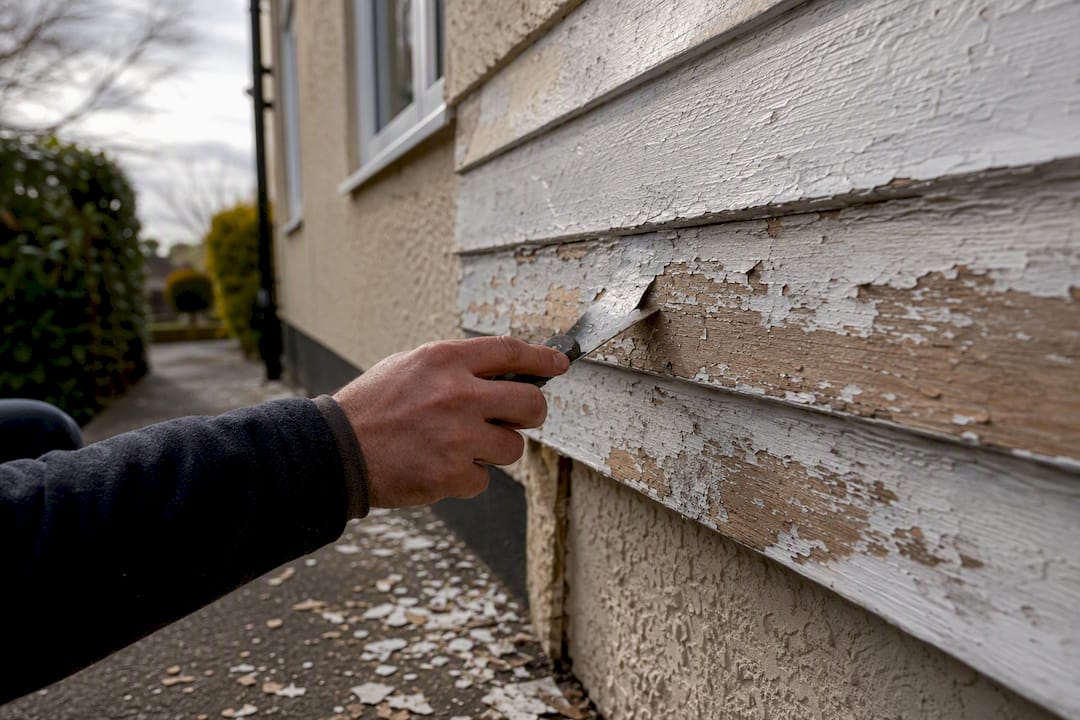
Surface prep, hidden rot, weather timing, working at height, and choosing the wrong sheen cause more failed paint jobs than bad brushes ever do. Every one of these ten problems has a fix, and most of them start before a tin is even opened.
Prep skipped or rushed: wash, scrape, sand, feather edges, then prime bare patches.
Old paint, damp, rot or mould: dry the substrate and treat the cause before you touch a roller.
Wrong paint or sheen: match formulation to exposure, satin or eggshell indoors, 100% acrylic outdoors.
Bad weather timing: avoid painting below roughly 4 to 10°C or ahead of rain.
Access and height: budget for scaffold or a cherry picker on two-storey jobs.
Poor tools or technique: the primer and the application method matter more than the topcoat brand.
Unprotected contents and poor ventilation: mask, sheet, and ventilate before you open a tin.
Underestimated timelines: prep alone eats around 70% of the job.
Unbudgeted costs: rot repair, extra primer, and scaffold hire routinely blow past the quote.
Finish defects: bubbling, cracking, and blistering usually trace back to moisture or heat, not the paint itself.
Pro Tip: If you can only fix one thing on this list, fix prep. A properly prepped exterior coat lasts 8 to 12 years; a rushed one can fail within two or three.
Key Takeaways
Preparation, moisture control, and correct timing account for most of the difference between a paint job that lasts a decade and one that fails within a couple of years.
Point | Details |
Prep first | Wash, scrape, and prime before anything else; it drives most of the job’s longevity. |
Diagnose before repainting | Trace peeling and blistering to moisture or rot rather than painting straight over them. |
Match paint to exposure | Use acrylic outdoors and satin or eggshell for high-traffic interior rooms. |
Respect weather windows | Avoid painting below roughly 4°C or ahead of forecast rain. |
Budget for surprises | Set aside 10% extra for rot repair, scaffold, or extended drying delays. |
Call a professional for height or repeat failures | Abrushwithgus handles access, prep, and diagnosis for jobs beyond a straightforward DIY repaint. |
Table of Contents
Surface preparation: cleaning, stripping and sanding
Prep is the single biggest lever you have over how long a paint job lasts, and it is also the stage most homeowners try to shortcut. Fixupfirst’s guidance puts preparation at roughly 70% of a successful exterior job, and skipping it is the single most common reason DIY paintwork fails within two to three years instead of lasting eight to twelve.
The checklist rarely changes, whatever the surface:
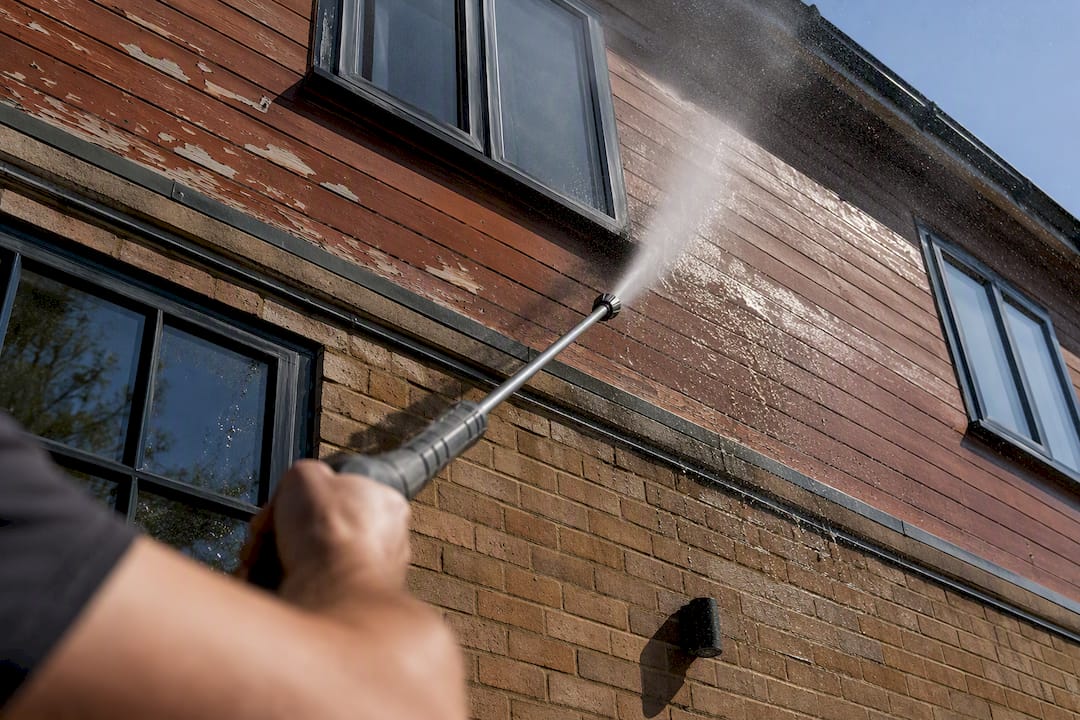
Pressure-wash to lift dirt, chalking, and grime before anything else.
Run a mildew-kill wash where you see black or green staining.
Scrape all loose or flaking paint back to a sound edge.
Feather the edges of scraped patches so the new coat doesn’t show a ridge.
Spot-prime bare wood or filler; full-prime anywhere the old coat has failed broadly.
Our own step-by-step prep guide covers the sequencing in more depth if you’re doing this yourself.
Pro Tip: Use 1,600 to 2,500 PSI for heavy dirt or chalky paint, and give the wall 24 to 48 hours to dry before you prime. Painting a still-damp wall traps moisture behind the film almost every time.
Old paint, damp, rot and mould: diagnosis before repair
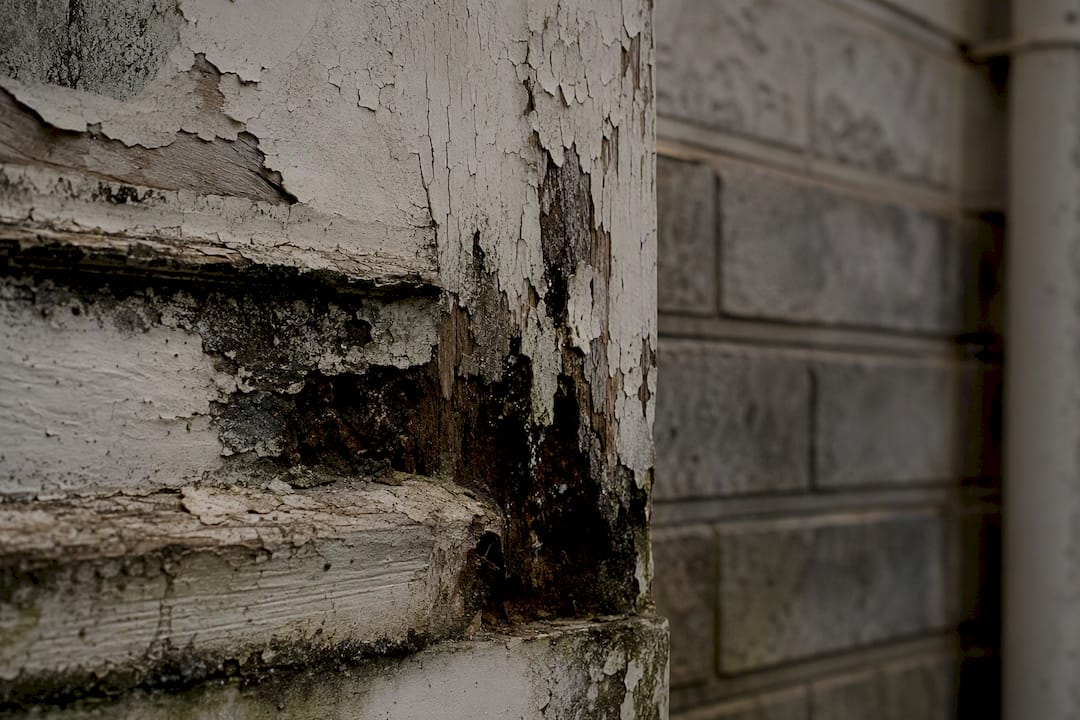
Peeling paint is a symptom, not the problem, and painting straight over it just buys you a repeat failure in a year or two. Trapped moisture moving through a wall from condensation or a leak is the most common cause of blistering and peeling, and no amount of fresh paint fixes that on its own.
Work through this quick diagnostic before you reach for a scraper:
Localised peeling usually points to a specific leak or gap; sheet peeling across a whole wall often means widespread moisture ingress.
Blistering without physical damage usually means the coat went on over a damp or hot surface.
Chalking (a powdery residue on your hand when you wipe the wall) signals a coat nearing the end of its life, not necessarily a defect.
Soft, spongy wood means rot, and it needs cutting out or treating, not painting over.
Dark staining that returns after cleaning is active mould, not dirt.
Our post on causes of exterior paint peeling breaks these failure patterns down further. Call a professional when you see structural rot, condensation that keeps coming back, or mould covering more than a small patch. It’s cheaper to fix once than three times.
Choosing paint type, finish and colour for the room
Match the formulation and sheen to the surface and its exposure, not to whichever tin looks nicest on the shelf. Exterior work generally calls for 100% acrylic or latex paint for its UV resistance; high-traffic interior rooms usually do better in satin or eggshell rather than a flat matt that shows every mark.
Higher sheen wipes clean easily but shows surface imperfections; flat finishes hide flaws but mark more readily.
Darker colours absorb more heat and UV, which shortens exterior lifespan on south-facing walls.
Test a sample patch and check it at three different times of day. Colour shifts more than most people expect once the light changes.
Our guides to choosing paint colours and paint types and finishes cover the trade-offs in more detail.
Weather, drying times and scheduling exterior work
Manufacturer guidance is specific for a reason: paint that goes on too cold or too wet fails early, and no technique fixes that afterwards. Benjamin Moore advises against painting below roughly 4°C, and most professional guidance agrees you should avoid painting when rain is forecast within 24 to 48 hours.
Check surface temperature, not just air temperature. A wall in shade can sit well below ambient.
Avoid painting when dew or condensation is likely, typically early morning or after sunset.
Sherwin-Williams notes exterior paint typically lasts 7 to 10 years depending on climate, so a badly timed coat wastes a good chunk of that lifespan before it even starts.
Repeated temperature swings between day and night accelerate fading and cracking, especially on south and west-facing elevations.
Book exterior work around a settled forecast window, not a single dry afternoon.
Access, working at height and site logistics
Height adds time, risk, and cost faster than almost anything else on this list, and it’s the reason most two-storey exteriors get quoted higher than the surface area alone would suggest. A ladder works for spot repairs; a full repaint on a two-storey house usually needs scaffold or a cherry picker, both of which add setup time before a brush ever touches the wall.
Factor in a day or more just for erecting and striking scaffold on larger properties.
Consider neighbour access, parking, and site security if scaffold will sit up for several days.
Ladders should never be used for extended work above the height where you can maintain three points of contact.
If height is involved at all, this is where DIY risk climbs fastest. It’s the single most common reason homeowners who start a job themselves end up calling a professional partway through.
Tools, primers and techniques that prevent finish problems
The primer choice and the way paint is applied usually matter more to the final result than which brand of topcoat you buy. Bob Vila contrasts brush and roller application (slower, more control) against sprayer application (faster, but needing far more masking and prep).
Use a bonding or stain-blocking primer on bare wood, and a masonry primer on render or brick.
Keep a wet edge as you work; letting a section dry before you rejoin it leaves visible lap marks.
A quality synthetic brush and a mid-nap roller cover most jobs; airless sprayers earn their keep on large, uniform surfaces like cladding or fencing.
Renting a sprayer for a single job usually beats buying one outright.
Our professional technique guide goes into brush and sprayer selection in more detail.
Pro Tip: Apply two full coats rather than one thick one. A single heavy coat looks faster but cracks and sags far more often than two thinner ones.
Protecting the home, health and safety during the job
Masking, ventilation, and dust control prevent the kind of collateral damage that costs more to fix than the paint job itself, and they protect the people living in the house while work is underway.
Sheet flooring, furniture, and plants before you open a single tin.
Ventilate well when using solvent-based products; fumes build up fast in closed rooms.
Keep pets and children away from wet paint and open tins.
If your home was built before 1960, older paint layers may contain lead. Don’t dry-sand or heat-strip suspect coatings; get them tested or hire an accredited contractor for safe removal.
Skipping ventilation on an interior job is one of the most common regrets homeowners mention after the fact, usually a day or two too late.
Realistic budgets and timelines for a painting project
Expect a single-storey exterior repaint to run about a week for a professional crew once prep is factored in, and a two-storey job to take noticeably longer once scaffold and extra prep enter the picture. DIY timelines usually stretch two to three times longer, mostly because prep and drying delays eat weekends rather than working days.
Substrate repair: rotten wood, cracked render, and filler work rarely appear on the initial estimate.
Extra primer: older, more porous surfaces often need a second coat before the topcoat goes on.
Scaffold hire: access costs on multi-storey homes can add a meaningful chunk to the total quote.
Weather delays: a wet week can push a scheduled job back by several days.
A modest repaint can lift resale value by roughly 2 to 5%, which is worth factoring in if you’re weighing the cost against a future sale.
Real jobsite examples and pro fixes from experienced painters
Most of the failures homeowners describe as “the paint just isn’t sticking” trace back to one of two things: moisture that was never addressed, or a substrate that was never properly repaired before the topcoat went on.
A bay window sill with soft, rotten timber gets the rot cut out and replaced or filled with epoxy, primed, and finished with two coats, rather than painted straight over.
Render that keeps blistering in the same spot usually has a moisture source behind it, often a blocked gutter or a cracked seal, that needs fixing before repainting makes any sense.
Weatherboard that’s chalking heavily gets a proper wash and a bonding primer rather than a straight repaint, or the new coat lifts within a season.
Our portfolio and case studies show more of these fixes in context.
Pro Tip: If a wall has failed the same way twice in five years, the paint isn’t the problem. Something behind it is, and that’s what needs solving first.
What actually separates a good paint job from a failed one
Most guides treat every one of these ten challenges as equally weighty. They aren’t. Prep and moisture diagnosis cause the vast majority of the failures homeowners write in to complain about; colour choice and brush quality barely register by comparison. If you take one thing from this article, take that.
The conventional advice oversells technique and undersells patience. A homeowner with a mediocre roller technique but a genuinely dry, well-prepped wall will out-last a skilled painter who rushed the drying window. That’s not intuitive, and it’s not what most product marketing tells you, because primer and prep don’t sell paint.
Where I’d push back hardest is on the DIY-versus-pro line most guides draw at cost. The real dividing line is diagnosis, not budget. If you can’t tell whether peeling is a coating problem or a moisture problem, you’re not ready to paint over it yet, whoever holds the brush. Get that diagnosis right first, DIY or not, and the rest of this list gets a lot easier to manage.
If you’d rather not risk it, here’s what a professional adds
A DIY repaint can absolutely work when the prep is done properly and the weather cooperates. Where it usually comes unstuck is exactly where the risk is highest: rot repair, moisture diagnosis, and anything above single-storey height. Abrushwithgus handles all three as standard, which is precisely where most DIY jobs and inexperienced contractors run into trouble.

A proper quote from us includes a full site survey, a written scope of work, any access or scaffold costs itemised separately, and a clear note of any repair work needed before painting starts, so nothing surprising shows up halfway through the job. If your property has rot, damp, or awkward access, our exterior painting service covers the diagnosis and the repair alongside the finish. Homeowners dealing with tired UPVC frames often add our UPVC spraying service to the same visit. Get in touch for a survey and a written quote before you commit to a date.
Frequently asked questions
What is the single biggest cause of paint failure? Poor surface preparation. It accounts for roughly 70% of a successful exterior job, and skipping it is the most common reason DIY paintwork fails within two to three years.
How do I know if peeling paint is a moisture problem or just old paint? Localised peeling near a specific spot usually points to a leak or gap; peeling across a whole wall in sheets usually means broader moisture movement through the substrate, which needs fixing before you repaint.
What temperature should I avoid painting in? Most manufacturers, including Benjamin Moore, advise against painting below roughly 4°C, and you should avoid painting when rain is forecast within 24 to 48 hours.
How long should a good exterior paint job last? Typically 7 to 10 years, depending on climate and substrate, provided prep and application were done properly.
When should I hire a professional instead of doing it myself? When the job involves working at height above a single storey, when you find soft or rotten wood, or when the same patch has failed more than once. These are the situations where DIY risk and cost climb fastest.
Sources
For drying windows and primer limits, check Benjamin Moore’s exterior guidance and Sherwin-Williams’ how-to guide. For timelines and prep sequencing, see Fixupfirst’s step-by-step guide and our own surface prep guide.
Recommended
Comments