
Property value-boosting paint ideas that sell homes faster
- WM Creative Designs Limited
- 1 day ago
- 10 min read
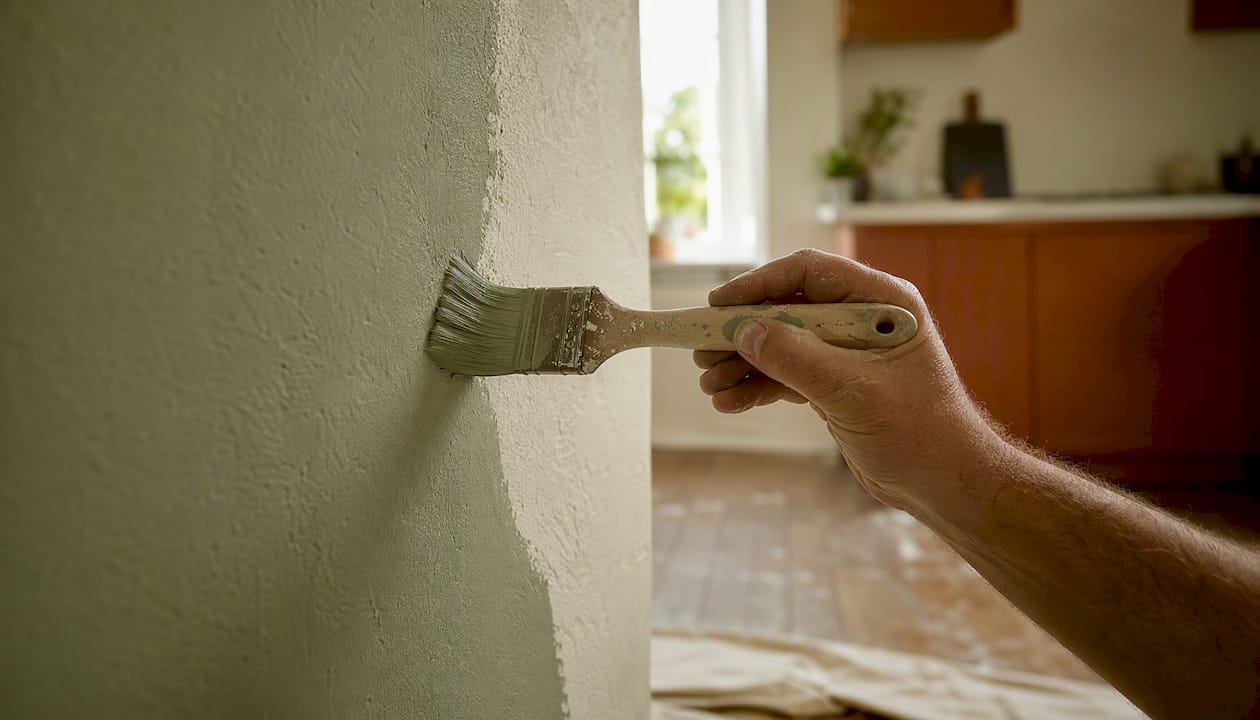
The colours that reliably lift offers are nature-inspired tones and adaptable neutrals: warm chocolate brown or sage green in bedrooms, pale blue in living rooms, and charcoal or olive in kitchens. Steer well clear of ochre yellow. This isn’t guesswork; it’s drawn from Zillow’s 2026 paint colour analysis, designer commentary, and technique guidance from This Old House.
If you’re painting before listing, prioritise these:
Bedroom: warm chocolate brown or sage green
Living room: pale blue or soft greige
Kitchen: charcoal grey or olive green
Exterior: warm neutrals with a bold front door
Avoid: ochre yellow anywhere in the house
Key Takeaways
Nature-inspired tones and adaptable neutrals, applied correctly by room and finish, consistently produce higher buyer offers than bold or stark alternatives.
Point | Details |
Bedroom colour choice | Warm chocolate brown or sage green outperform other options, per Zillow’s 2026 findings. |
Kitchen has the biggest swing | Colour choice in the kitchen can shift offers by close to $8,000 between best and worst. |
Avoid ochre yellow | This shade was linked to a roughly $18,164 drop in offers when used throughout a home. |
Sample before committing | Test paint under morning, midday, and listing-photo lighting before painting a full room. |
Hire for whole-room or exterior jobs | Abrushwithgus offers interior, exterior, and UPVC spraying services suited to sellers preparing to list. |
Table of Contents
Room-by-room interior colours that boost property value
Buyers respond to colour before they clock the square footage, and the data behind that reaction is more specific than most sellers assume.
Living room. Pale blue photographs beautifully in daylight and reads as calm rather than cold, which is precisely what buyers scrolling listings on their phones respond to. Soft greige works nearly as well if you want something that won’t compete with existing furniture during viewings. Darker neutrals, such as a deep charcoal feature wall, can work in larger rooms with good natural light but risk making a small lounge feel boxed in.
Kitchen. This is the room where colour choice moves the needle hardest. HGTV’s coverage of Zillow’s findings puts the swing between the best and worst kitchen colours at close to $8,000. Charcoal grey and olive green both performed strongly, giving a kitchen a grounded, high-end feel without tipping into a trend that dates quickly. Dark plum can work too, though it narrows the buyer pool more than the other two.
Statistic: Zillow’s 2026 analysis found painting a bedroom warm chocolate brown could add roughly $2,277 to an offer price, while sage green ranked in the top tier across nearly every room tested.
Bedroom. Chocolate brown is the standout, but it doesn’t need to cover every wall. A single feature wall behind the headboard captures the warmth without overwhelming a smaller room. Sage green is the safer, broader-appeal choice if the room lacks strong natural light.
Bathroom. Mid-tone brown, sage, or a muted blue in an eggshell or matt finish photographs cleanly and avoids the glare that satin finishes throw under bathroom lighting. Test any bathroom colour against the room’s existing tile, since that’s usually the fixed element you’re working around.
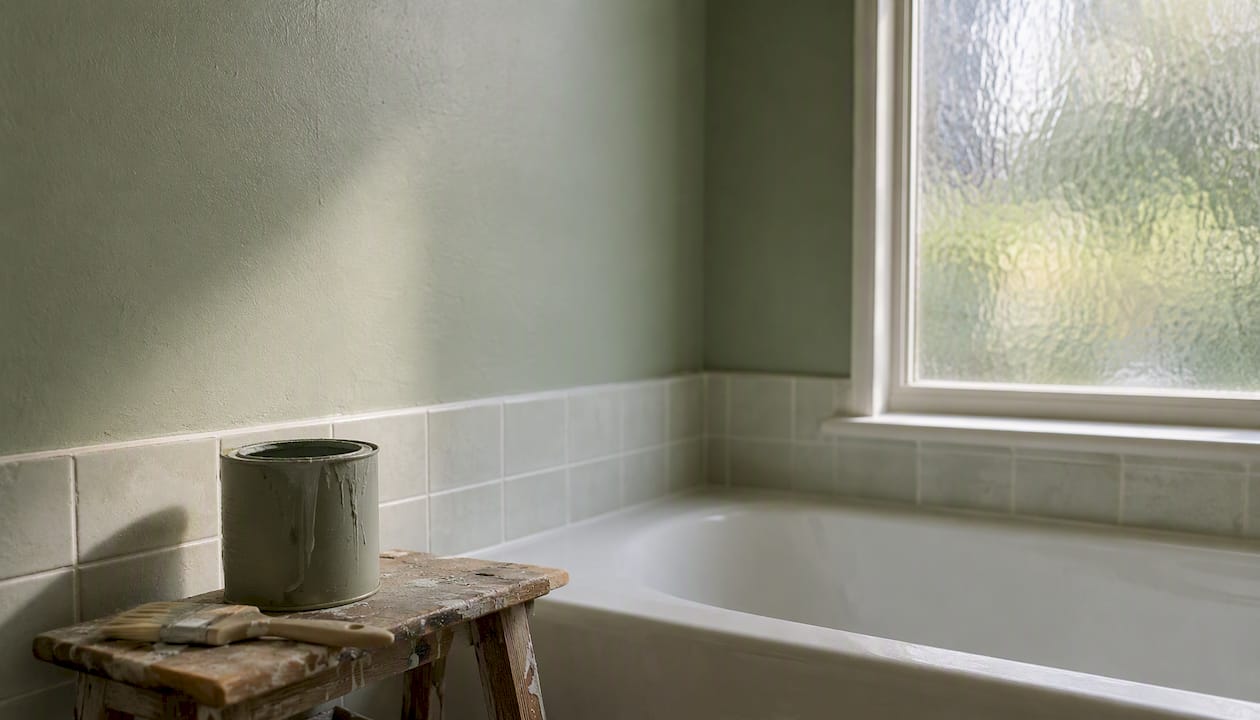
Before committing, view your sample under the same light your listing photos will be taken in. A colour that looks warm at 9am can shift entirely by late afternoon.
Exterior palettes and kerb appeal that help sell homes
Warm, versatile neutrals such as sand, sandstone, or a sun-washed terracotta tone tend to complement brick, render, and stone far better than anything bright or trend-led. Designers consistently recommend keeping the main façade neutral and saving personality for the parts a buyer could change in an afternoon: the front door, planters, and porch furniture. A confident navy or forest green door against a sandstone exterior signals character without alienating anyone who dislikes the colour outright.
Main façade: sand, sandstone, or soft terracotta
Front door: a saturated accent colour (navy, forest green, deep red)
Trim and window frames: crisp white or soft cream
Small elements: planters, house numbers, porch furniture for personality
Photograph the exterior in the late morning or early evening when the light is even and shadows don’t swallow half the frontage. Shoot from an angle that shows the full façade against some sky, not a tight crop that hides the roofline.
Pro Tip: Use a matt or satin masonry finish on the main walls for durability against weather, and reserve gloss or semi-gloss for the front door and trim, where the sheen catches the eye in photos.
Colours buyers dislike and what to do if you already have them
Ochre yellow is the clearest example of a colour that actively costs sellers money. Zillow’s analysis linked an ochre yellow scheme throughout a home to an estimated $18,164 drop in offers compared with more neutral alternatives. Highly saturated or unusual colours generally narrow your buyer pool because they ask a buyer to imagine living with someone else’s taste rather than their own.
If you’ve got a room in a colour like this, a full repaint to a warm neutral is the cleanest fix. If budget is tight, reversible options such as swapping curtains, adding a neutral feature board, or covering one wall with removable panelling can soften the impact until you’re ready to repaint properly.
Does repainting actually increase your sale price?
The short answer is yes, though the size of the effect depends heavily on the room and the market. Zillow’s figures give a useful sense of scale: chocolate brown in a bedroom adding around $2,277, and the kitchen showing the widest spread of all, with nearly an $8,000 gap between the best and worst colour choices. Treat these as directional rather than guaranteed, since local market conditions and buyer demographics shift the numbers.
A single-room DIY repaint typically runs to a modest cost in paint and materials if you’re doing the labour yourself, while a professional job costs more but delivers a cleaner, faster finish with less risk of visible brush marks in listing photos. Given a limited budget, this is where to spend it first:
Kitchen (largest documented swing in offers)
Bedroom (strong, well-documented uplift from warm tones)
Living room (high visibility in listing photos)
Bathroom (smaller uplift, but cheap and quick to refresh)
Allow three to five days per room from prep to a fully dry, photo-ready finish, longer if you’re patching walls or waiting out humid weather.
Choosing the exact shade and finish that photographs well
Order two or three sample pots in your shortlisted colours rather than trusting a swatch card.
Paint each onto a poster board so you can move it around the room and check it against different walls.
View the board at morning, midday, and evening light, and again under the artificial lighting you’ll use for listing photos.
Sit with the colour for at least 48 hours before committing to a full room.
If a white you’re using reads as too stark or clinical, ask your paint supplier to introduce a subtle warm undertone rather than switching to a different colour altogether. This softens the effect without changing the overall palette buyers see. Match your wall colour to existing flooring and fixtures, cool greys sit awkwardly against warm oak, for instance, so check the pairing before you commit to five litres.
Matt or eggshell for bedrooms and living rooms
Satin for bathrooms and kitchens (wipeable, less glare than gloss)
Semi-gloss for trim, skirting boards, and doors
When to call in a professional painter
Small touch-ups, a single accent wall, or refreshing scuffed skirting boards are reasonable DIY jobs. Whole-room repaints, textured or uneven walls, kitchen cabinet spraying, and exterior work are where a professional earns their fee, particularly when you’re working to a listing deadline and can’t afford a patchy finish or a second coat gone wrong.
A professional painting service typically covers interior repaints, exterior decorating, UPVC spraying, and airless spray finishes for cabinets and doors, along with the preparation and cleaning that makes the paint actually last.
Surface prep in the correct order: sand, fill, prime, then paint
Correct brush and roller nap selection for the surface and finish
Two coats, always, working from ceiling down to skirting boards
Pro Tip: Working top to bottom in a fixed sequence avoids drips landing on freshly finished surfaces below. Abrushwithgus handles exactly this kind of pre-sale prep work across Cornwall and the South West, and there’s more on booking that further down.
Seasonal and regional colour considerations for maximising appeal
Timing your repaint around the season affects both the finished look and how buyers perceive the home. Warmer months give exterior masonry paint longer to cure properly, which matters more than most sellers realise: paint applied in damp or cold conditions can trap moisture and fail early, undoing the value it was meant to add.
Regional building materials shape which palettes work, too. Stone-fronted properties common across the South West sit naturally with sandstone, putty, and soft terracotta tones, whereas render-heavy new-builds elsewhere can carry cooler greys without looking out of place. If your property backs onto woodland or coastline, buyers touring in person will notice how the exterior colour sits against that backdrop, so testing a sample against the actual setting, not just the house itself, is worth the extra half hour.
Interior choices shift seasonally too. A warm chocolate brown bedroom reads as cosy in autumn listing photos but can feel heavy if you’re listing in the height of summer, when lighter, sage-adjacent tones tend to photograph fresher. If your sale is timed for spring or summer, lean slightly cooler and brighter across the main reception rooms; for an autumn or winter listing, the warmer tones Zillow flagged for bedrooms earn their keep even more.
None of this means chasing a different palette every quarter. It means being aware that the same colour can read differently depending on when your viewings actually happen, and adjusting the emphasis rather than the whole plan.
Concealing wall imperfections before you paint
Cracks, nail holes, and uneven plaster show up mercilessly under listing photography lighting, so addressing them properly is not optional if you want the finish to look professional. Filling and sanding before the first coat goes on matters more than the paint brand you choose.
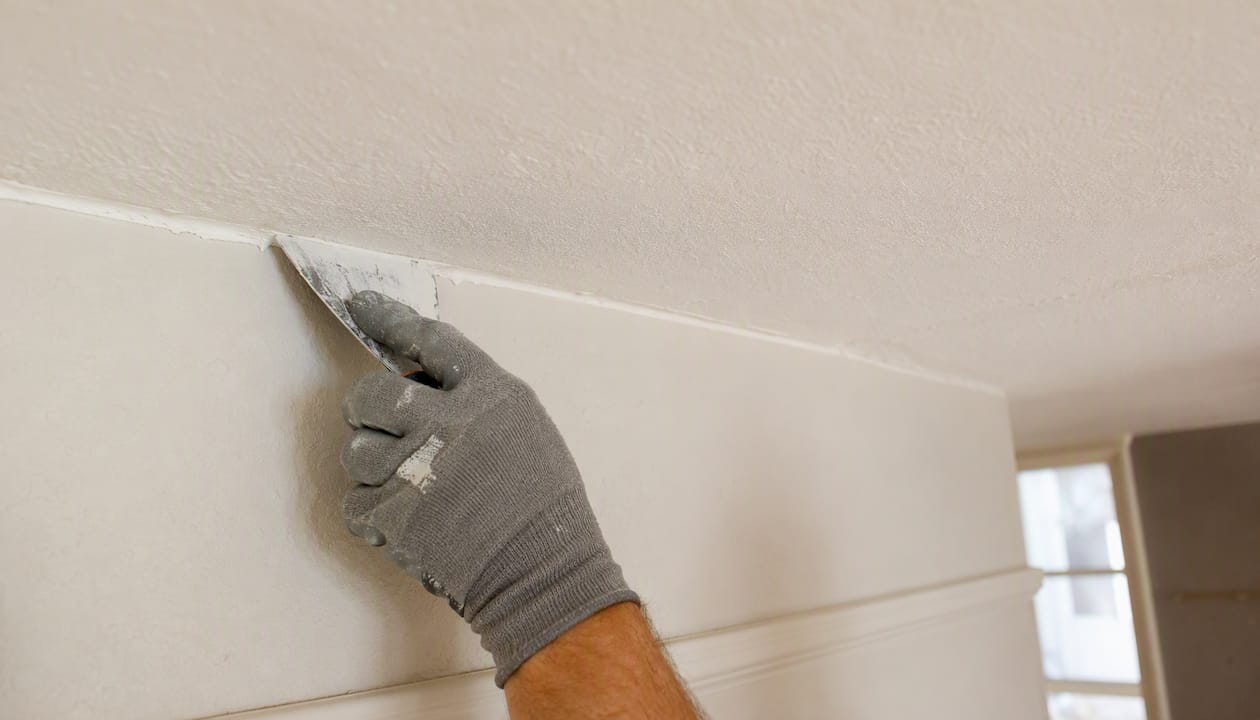
Start with a decent filler and a flexible filling knife, working the compound into cracks and holes until it sits slightly proud of the surface, then sand it flush once fully dry. Skipping the drying time is the most common DIY mistake; painting over a filler that’s still curing leaves a visible shadow once the topcoat dries. For hairline cracks that keep reappearing, particularly around door frames and ceiling joints, a flexible decorator’s caulk holds better than rigid filler because it moves with the building.
Textured or heavily uneven walls are harder to disguise with paint alone. A mist coat, a diluted first layer of emulsion, helps the topcoat bond evenly and can reduce how much texture shows through, but it won’t hide serious unevenness. In that case, lining paper or a skim coat before painting gives a far cleaner result than trying to paint your way out of the problem.
A satin or eggshell finish reflects more light and will highlight imperfections that a flat matt finish would hide, so on walls you know aren’t perfectly smooth, matt is the safer choice. Save the higher-sheen finishes for surfaces you’ve properly prepped, like trim and doors, where a bit of shine actually works in your favour.
Using current paint trends without narrowing your buyer pool
Trend-led colours can freshen a listing, but chasing them too closely is a genuine risk when your goal is broad appeal rather than personal expression. The safest approach is to treat trend colours as accents rather than the whole scheme: a trending deep green or terracotta works well on a front door, a feature wall, or cabinetry, but rarely as the dominant colour across an entire room you’re trying to sell.
Journalists covering Zillow’s 2026 findings note a clear shift toward warmer, nature-inspired interiors and away from the stark all-white schemes that dominated listings a few years ago. That’s a trend worth following, because it aligns with what actually raises offers rather than what simply looks fashionable on a moodboard. The distinction matters: a colour trend backed by buyer preference data is worth adopting; a trend that’s purely aesthetic and untested against resale outcomes is a bigger gamble.
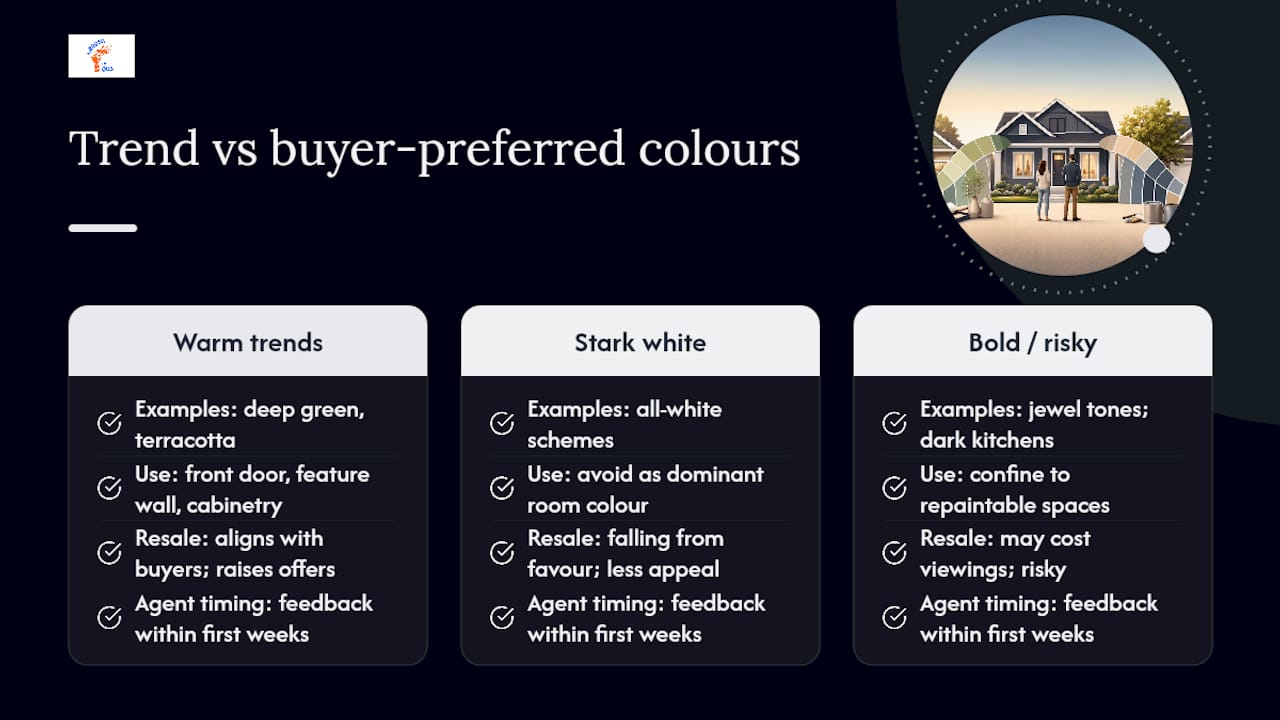
If you’re drawn to something bolder, such as a dark, moody kitchen or a jewel-toned bathroom, confine it to a space that’s easy to repaint back to neutral if a buyer’s feedback suggests it’s costing you viewings. Estate agents often flag this within the first few weeks of a listing, giving you a window to adjust before it affects your final sale price. The goal isn’t to strip every trend from your home. It’s to let trend and buyer preference data agree before you commit a whole room to it.
A professional view on where repainting pays off
The kitchen and bedroom consistently deliver the clearest return of any repaint job, and sellers who skip them to focus on cosmetic extras usually leave money on the table.
Ready for a professional finish before you list?
Abrushwithgus is the practical alternative to tackling a pre-sale repaint yourself under time pressure. Sellers rarely have the luxury of a second attempt if a DIY finish goes wrong two weeks before photos are booked, and a patchy wall or missed prep step shows up clearly in listing images. Working across Cornwall and the South West, Abrushwithgus handles interior repaints, exterior refreshes, and UPVC spraying to the standard buyers respond to, without the guesswork of a first-time DIY job.

A few of the services most relevant to sellers preparing to list:
Interior repainting for kitchens, bedrooms, and living rooms ahead of photography
Exterior refreshes and kerb-appeal preparation
UPVC spraying to restore tired doors and window frames without a full replacement
If your listing date is set, get in touch about domestic painting services to book a slot before your photographer arrives.
Frequently asked questions
Does painting actually increase a home’s sale value? Yes, though the size of the effect varies by room. Zillow’s 2026 analysis found specific colours in bedrooms and kitchens correlated with measurably higher buyer offers, while poor colour choices did the opposite.
What is the single best colour for resale value? There isn’t one universal answer, but sage green performs consistently well across nearly every room, and warm chocolate brown shows the strongest documented uplift in bedrooms specifically.
Should I repaint my whole house before selling? Not necessarily. Prioritise the kitchen first, since it shows the widest swing in buyer offers, followed by the bedroom and living room if your budget and timeline allow.
How long before listing should I start painting? Allow three to five days per room from preparation through to a fully dry finish, and build in extra time if walls need patching or the weather is affecting drying times for exterior work.
Is it worth hiring a professional painter instead of doing it myself? For whole rooms, textured walls, cabinet spraying, or exterior work, a professional typically delivers a cleaner finish faster and with less risk, which matters when you’re working to a fixed listing date.
Sources
Recommended
Comments