
Recognise signs you need exterior painting for your home
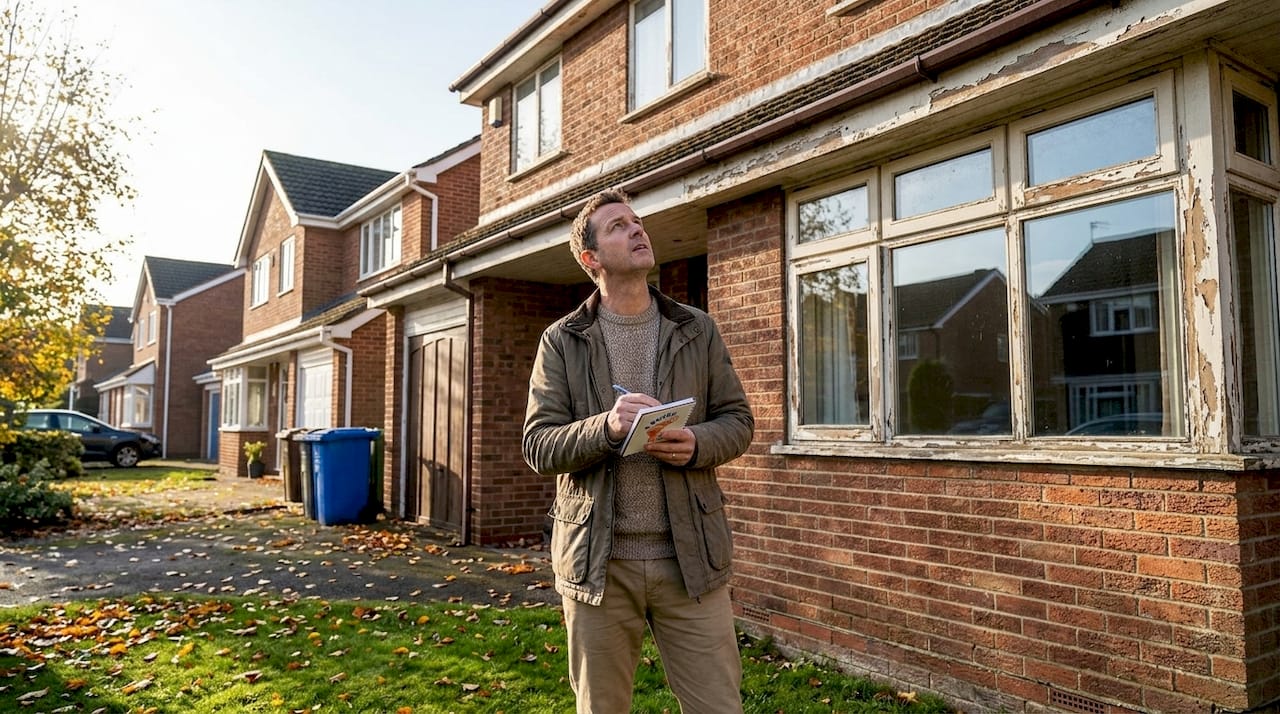
Knowing when to repaint your home’s exterior can feel like guesswork. Paint deteriorates gradually, and the signs aren’t always obvious until damage has already begun. This guide provides a clear framework of expert-backed indicators that help you assess your exterior paint condition with confidence. By recognising these warning signs early, you protect your property’s structural integrity, maintain its value, and avoid costly repairs down the line. Whether you’re planning to sell or simply want to preserve your home’s appearance, understanding these signals empowers you to make timely, informed decisions about exterior painting.
Table of Contents
Key Takeaways
Point | Details |
Value protection | Timely exterior repainting can safeguard your investment and may lift property value. |
Enhanced kerb appeal | A refreshed finish enhances kerb appeal and can help attract buyers. |
Professional surface preparation | Professional surface preparation ensures proper adhesion and longevity through thorough cleaning, scraping, priming and repairs. |
Early warning signs | Early detection of flaking, peeling or fading allows timely repainting before moisture damage occurs. |
Key criteria to assess your exterior paint condition
Before deciding whether to repaint, you need a systematic approach to evaluating your home’s exterior surfaces. Start by examining paint adhesion across different areas. Run your hand gently over painted surfaces to feel for roughness, bubbling, or areas where paint lifts easily. These tactile clues often reveal problems before they become visually obvious.
Focus your initial inspection on soffits and fascias. These horizontal surfaces face downwards and trap moisture more readily than vertical walls, causing paint to fail faster. Look for peeling edges, water stains, or discolouration in these areas first. If you spot deterioration here, it’s likely present elsewhere too.
Environmental factors play a significant role in paint longevity. Coastal properties in the South West face salt spray, high humidity, and strong winds that accelerate paint breakdown. Homes near the sea may need repainting every five to seven years, whilst inland properties can last eight to ten years. Check south-facing walls more carefully, as UV exposure fades and degrades paint faster than shaded elevations.
Surface preparation determines how long your new paint will last. Professional prep ensures longer paint life because proper scraping, cleaning, priming, and repairs create the foundation for durable adhesion. Skipping these steps, even with premium paint, leads to premature failure.
Pro Tip: Inspect your exterior paint on a dry, overcast day when lighting is even. Bright sunshine can hide subtle colour fading and surface irregularities that become obvious in diffused light. Take photos from the same angles each year to track deterioration over time.
Whilst minor DIY repairs like cleaning mildew or filling hairline cracks are manageable, extensive preparation requires professional expertise. Poor adhesion can halve paint lifespan, making thorough prep essential for domestic exterior painting services in coastal regions where silicone-enhanced paints perform best.
Top signs your home’s exterior needs repainting
Recognising specific warning signs helps you act before minor issues become expensive problems. Here are the most reliable indicators that your exterior paint has reached the end of its serviceable life.
Flaking, peeling, and blistering paint are the most obvious signs of failure. Paint should form a continuous, smooth barrier. When it lifts away in sheets, chips, or bubbles, moisture has penetrated beneath the surface. This compromises protection and allows water to damage underlying materials. Peeling typically starts in high-stress areas like window frames, door edges, and corner boards before spreading to larger wall sections.
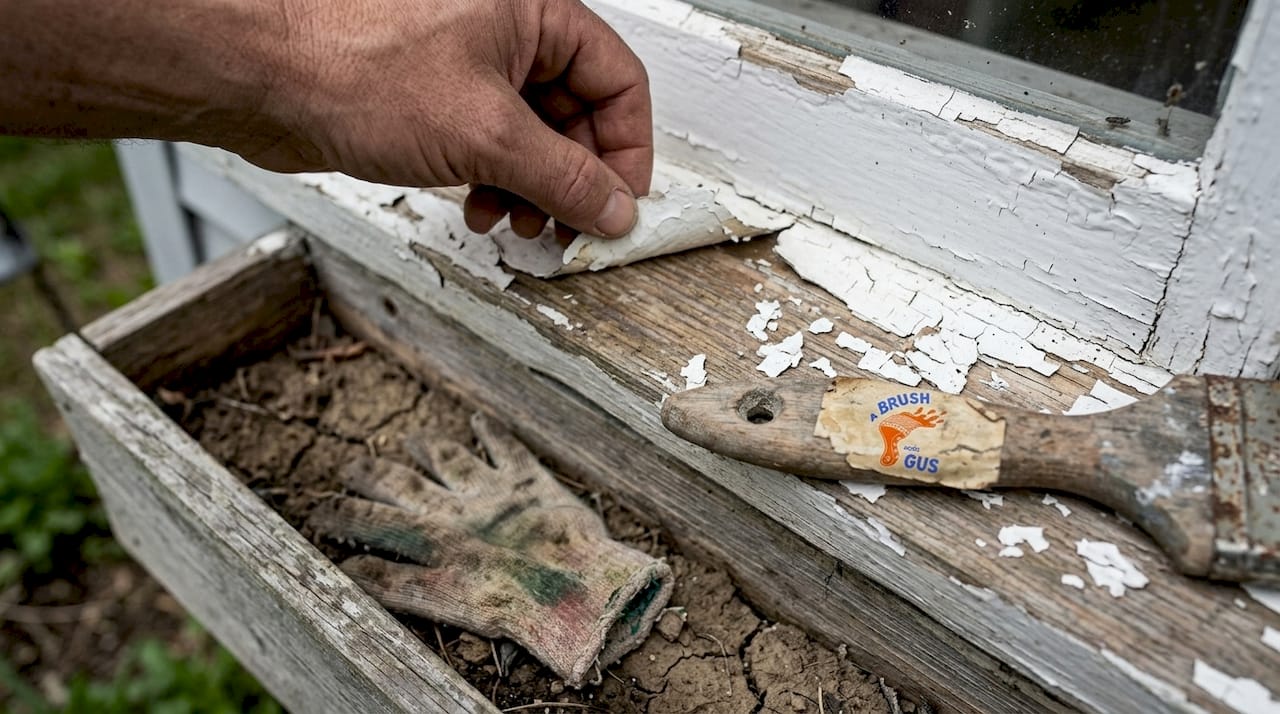
Faded or discoloured areas indicate UV degradation and weathering. Whilst some colour shift is normal over time, significant fading or chalky residue when you touch the surface means the paint’s protective properties have diminished. Uneven fading across different elevations suggests the paint can no longer shield your home effectively from the elements.
Mould, mildew, or algae growth appears as dark patches, typically green, black, or grey. These organisms thrive on failing paint surfaces where moisture accumulates. Beyond being unsightly, biological growth accelerates paint breakdown and can stain underlying materials permanently if left untreated. Coastal and shaded areas are particularly susceptible.
Damaged or rotting wood beneath paint is a critical warning sign. If you can press your finger into timber or see soft, spongy areas, water has penetrated past the paint barrier. This requires immediate attention because structural damage worsens rapidly once timber begins to rot. Early intervention saves significant repair costs.
Irregular paint texture or cracking manifests as fine lines spreading across painted surfaces, often called crazing or alligatoring. These cracks allow moisture infiltration and will expand with temperature fluctuations. Once cracking begins, it accelerates quickly, especially through freeze-thaw cycles in winter.
Pro Tip: Check caulking around windows, doors, and joints during your paint inspection. Failed caulk allows water behind paint, causing premature failure. Recaulking these areas before repainting extends the life of your new finish significantly.
Research shows that peeling paint can reduce property buyer offers by up to £25,000, whilst early repainting boosts value by 2 to 5 percent. These figures underscore why monitoring these signs matters for both property maintenance and financial protection. Professional domestic exterior painting addresses these issues systematically, ensuring lasting results.
Comparing painting approaches: DIY versus professional services
Once you’ve identified the need for exterior painting, choosing between DIY and professional services depends on the scope of work, your skills, and the results you expect. Understanding the strengths and limitations of each approach helps you make the right decision for your situation.
Factor | DIY approach | Professional services |
Surface preparation | Basic cleaning, limited scraping | Comprehensive scraping, repairs, priming |
Paint quality | Consumer-grade products | Trade-quality, climate-specific paints |
Equipment | Brushes, rollers, basic ladders | Airless sprayers, scaffolding, safety gear |
Time required | Weekends over several months | Typically completed within 1-2 weeks |
Durability | 3-5 years with proper prep | 7-10 years with professional prep |
Cost | Lower upfront, potential redo costs | Higher upfront, better long-term value |
DIY is suitable for minor maintenance tasks like cleaning mildew, filling hairline cracks, and touching up small areas. These jobs require minimal equipment and can extend the time before full repainting becomes necessary. However, DIY limitations become apparent with larger projects requiring extensive prep work.
Professionals excel in surface preparation, priming, and repairs. Proper scraping removes all loose paint, whilst thorough cleaning eliminates contaminants that prevent adhesion. Professional painters identify and repair underlying damage before applying new coatings. This groundwork, though invisible in the final result, determines how long your paint lasts. Studies confirm that professional prep like scraping, priming and repairs significantly extends paint life, especially in the South West coastal climate.
Coastal homes benefit from specialist paints and methods. South West properties face unique challenges from salt spray and high humidity. Professional painters select silicone-enhanced or breathable masonry paints designed for these conditions. They also understand application techniques that ensure proper film thickness and coverage, critical for weather resistance.
Professional work ensures better adhesion and longer lifespan. Trade-quality primers seal surfaces properly, whilst correct application methods prevent common failures like runs, sags, and thin spots. The result is a finish that protects your home effectively for years longer than typical DIY efforts.
DIY risks include shorter durability and uneven finish. Without proper equipment, achieving consistent coverage is difficult. Inadequate surface prep, the most common DIY shortcoming, leads to premature paint failure. What seems like cost savings initially often results in needing to repaint sooner, increasing total expense.
Pro Tip: If you’re considering DIY to save money, calculate the true cost including quality paint, primers, tools, and your time. Compare this against professional quotes for exterior home painting. Often, the price difference is smaller than expected when you factor in durability and peace of mind.
For most homeowners, professional services deliver better value over time, particularly for whole-house projects or properties with existing damage requiring repair.
When timely exterior painting adds value to your home
Exterior paint condition directly impacts your property’s market value and appeal. Understanding this financial dimension helps you see repainting not as an expense, but as a strategic investment in your home’s worth.
Paint condition | Impact on property value | Buyer perception |
Excellent (recently painted) | +2% to +5% value increase | Move-in ready, well-maintained |
Good (minor wear) | Neutral to slight positive | Acceptable, no immediate concerns |
Fair (visible deterioration) | -1% to -3% value reduction | Deferred maintenance, negotiation point |
Poor (peeling, damage) | -3% to -8% value reduction | Significant concern, reduced offers |
Research demonstrates that visible paint damage lowers sale offers substantially. Properties with peeling paint can see buyer offers reduced by up to £25,000, whilst repainting early can increase value by 2 to 5 percent. These figures reflect how buyers perceive maintenance standards and factor potential repair costs into their offers.
Kerb appeal importance in competitive markets cannot be overstated. Your home’s exterior creates the first impression for potential buyers. Fresh, well-maintained paint signals that the property has been cared for, reducing buyer concerns about hidden issues. In competitive markets, homes with strong kerb appeal sell faster and command premium prices.
Protecting timber and materials through repainting prevents expensive structural repairs. Paint acts as a weather barrier, shielding wood, render, and other materials from moisture damage. Once water penetrates, rot develops quickly, requiring costly timber replacement. Timely repainting costs a fraction of structural repairs.
Cost versus return on early repainting investment favours proactive maintenance. A typical exterior painting project for a three-bedroom semi-detached home in the South West ranges from £2,500 to £4,500. Compare this against the potential £15,000 to £25,000 reduction in sale price for poor exterior condition, and the financial logic becomes clear.
“We’ve seen properties lose significant value due to neglected exteriors. Buyers today are savvy and factor repair costs into their offers. A fresh coat of paint can be the difference between a quick sale at asking price and months on the market with reduced offers.”
Beyond immediate financial returns, regular repainting maintains your enjoyment of your home. Living in a property that looks cared for enhances your daily experience and neighbourhood pride. Professional domestic painting services deliver these benefits whilst ensuring proper protection against the elements.
Pro Tip: If you’re planning to sell within the next two to three years, schedule exterior painting about 12 months before listing. This timing ensures the paint looks fresh without being so new that buyers question why you painted just before selling. It also gives you time to enjoy the improved appearance yourself.
The correlation between paint condition and property value makes exterior painting one of the highest-return home improvements you can undertake.
How we can help with your exterior painting needs
Recognising the signs that your home needs repainting is the first step. Taking action to protect and enhance your property is the next. At A Brush With Gus, we specialise in exterior home painting tailored specifically for South West properties facing coastal weather challenges.

Our family-run team brings extensive experience in surface preparation, protective coatings, and application techniques that ensure lasting results. We understand that proper prep work determines paint longevity, which is why we invest time in thorough scraping, cleaning, repairs, and priming before applying the first coat. From comprehensive domestic exterior painting to targeted repairs and professional exterior cleaning, we offer the full range of services needed to restore and protect your home’s exterior. As local specialists serving the South West, we’re familiar with the specific challenges your property faces and select materials proven to perform in our regional climate. Get in touch to discuss your exterior painting needs and receive a detailed, transparent quote.
Frequently asked questions
What are the most common signs you need exterior painting?
Peeling, blistering, cracking, fading, and mould growth are the most reliable indicators that your exterior paint has failed. These signs show that the protective barrier has broken down, allowing moisture to damage underlying surfaces. Once you notice any of these symptoms, particularly peeling or exposed timber, repainting should be prioritised to prevent structural damage and maintain property value.
Can I do minor exterior paint repairs myself?
Yes, minor tasks like cleaning mildew, filling hairline cracks, and touching up small areas are suitable for DIY. However, professional prep is crucial for lasting results when tackling larger projects. Comprehensive surface preparation including scraping, priming, and repairs requires specialised skills and equipment that most homeowners lack, making professional services the better choice for whole-house repainting.
How does poor exterior paint condition affect my property value?
Visible paint deterioration significantly reduces buyer offers and sale prices. Studies show that peeling paint can reduce offers by up to £25,000, whilst repainting early can increase value by 2 to 5 percent. Buyers perceive poor exterior condition as evidence of deferred maintenance, raising concerns about hidden problems and factoring potential repair costs into their offers.
How often should I repaint my home’s exterior in the South West?
Coastal properties in the South West typically need repainting every five to seven years due to salt spray, humidity, and wind exposure. Inland homes can extend this to eight to ten years with proper maintenance. However, specific timing depends on paint quality, surface preparation, and exposure conditions. Regular inspections help you identify deterioration early, allowing you to schedule repainting before damage occurs.
What makes professional exterior painting worth the investment?
Professional painters deliver superior surface preparation, use trade-quality materials suited to local conditions, and apply coatings with techniques that ensure proper adhesion and coverage. This results in finishes lasting seven to ten years compared to three to five years for typical DIY work. The longer lifespan, combined with better protection against weather damage and enhanced property value, makes professional painting more cost-effective over time despite higher upfront costs.
Recommended
Comments