
Top exterior paint brands for UK homes: 2026 guide
Updated: 5 hours ago
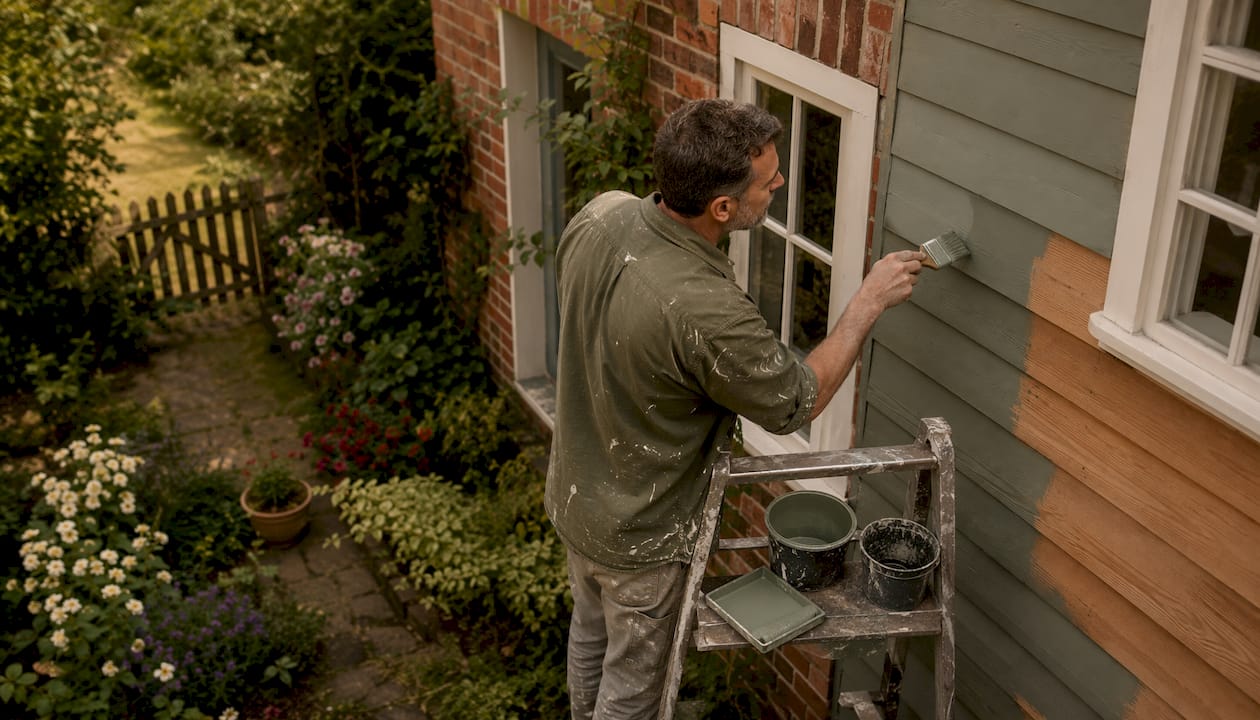
Dulux Weathershield, Sandtex Microseal, Tikkurila Ultra Matt, Protek Royal Exterior, and Osmo Exterior Oil Woodstain are the top exterior paint brands worth your attention for UK home projects in 2026. Each targets a different surface and finish, so the right choice depends on what you are painting, not just which tin looks most impressive on the shelf. Here is a quick summary before the detail:
Dulux Weathershield Smooth Masonry: best for smooth render and new builds; up to 15 years weather protection; £9.00–£11.00 per litre; covers 10–14m²/L
Sandtex Microseal: best for textured render and pebbledash; durable with a long-lasting weatherproof claim; £7.00–£9.00 per litre; covers 8–12m²/L on rough surfaces
Tikkurila Ultra Matt: premium exterior timber paint; microporous and flexible; touch-dries in approximately one hour; low VOC (50–149 g/l)
Protek Royal Exterior: eco-friendly water-based wood paint; nearly 80 colours; suitable for cladding, doors, and garden structures
Osmo Exterior Oil Woodstain: oil-based woodstain; penetrates rather than coats; ideal for decking, fences, and natural timber finishes
Table of Contents
Which exterior paints work best on timber?
Timber is the most demanding exterior surface to paint well. It expands and contracts with temperature, absorbs moisture, and is prone to mould if the coating lacks the right biocide package. Exterior paints must be flexible to accommodate that thermal movement, which is why interior paints fail so quickly outside, regardless of how good they look on the tin.
Tikkurila Ultra Matt is the standout choice for exterior timber in the UK. Its polyacrylate technology keeps the film flexible and microporous, meaning moisture vapour can escape without the paint blistering. Coverage runs 4–6m²/L on sawn wood and 7–9m²/L on planed surfaces, with a recoat window of just 2–4 hours. It suits untreated timber, factory-primed surfaces, and previously painted exteriors alike.
Protek Royal Exterior takes a different approach. It is water-based with linseed oil, giving it a natural, breathable quality that suits garden rooms, cladding, and timber-framed outbuildings particularly well. With nearly 80 colours available and low VOC credentials, it appeals to homeowners who want both performance and an eco-conscious product. The finish is opaque, covering the grain fully, which suits painted rather than stained aesthetics.
Key properties to look for in any exterior timber paint:
Flexibility: prevents cracking as timber moves seasonally
Microporosity: lets moisture vapour out without letting liquid water in
Mould and fungal resistance: built-in biocides are non-negotiable for UK conditions
Drying time: faster recoat times reduce the weather risk window during application
Colour range: broader palettes matter when matching existing joinery or period detailing
Pro Tip: Apply Tikkurila Ultra Matt with a brush rather than a roller on moulded or profiled timber. Brushing works the paint into recesses and joints where moisture typically gets in first.
Best masonry paints for UK exterior walls and stone
Masonry paint is where most homeowners spend the most money and make the most avoidable mistakes. The two dominant names on UK shelves are Dulux Weathershield and Sandtex Microseal, and they genuinely serve different purposes.
Dulux Trade Weathershield Smooth Masonry suits smooth render, new builds, and recoats over sound existing paint. Its 2021 reformulation added an improved active ingredient to inhibit mould and algae within the film, plus anti-fade technology for longer-lasting colour. Batch colour consistency is the tightest of any UK mass-market brand, which matters enormously if you expect to touch up in three or four years. The Dulux Trade Mix system offers around 2,400 mixable shades, including the Weathershield Professional Colour Guide Masonry palette.
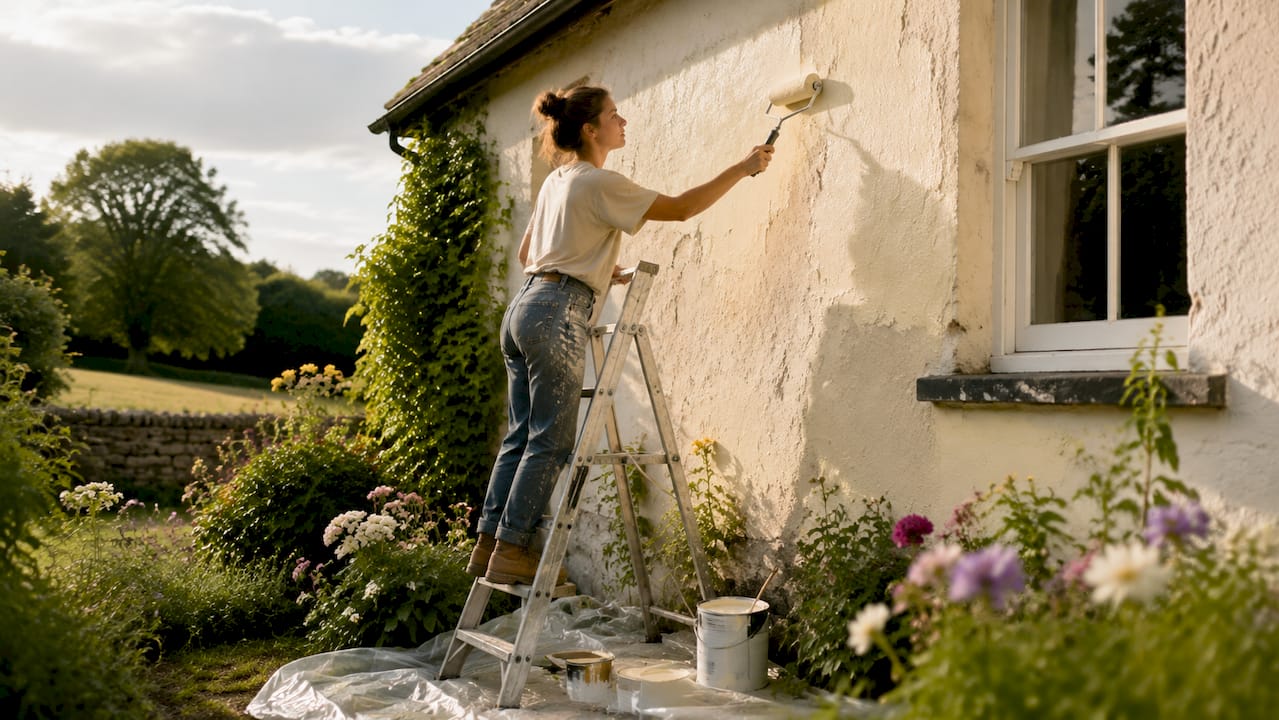
Sandtex Microseal is the default choice for textured render and pebbledash. Its unique microseal technology protects while allowing the surface to breathe, and the product is weatherproof within one hour of application. Coverage can reach higher levels on smooth surfaces, though textured walls will absorb more. Sandtex has been protecting buildings for over 60 years, and the Microseal range is available in 12 colours in the 10L size at Wickes.
For coastal properties, the calculus shifts. Coastal masonry needs thicker, salt-resistant coatings beyond standard durability claims. Sandtex Trade X-tra Smooth carries a BS EN 1062 Class C2 crack-bridging rating and is the professional preference for exposed and coastal walls. Standard paints labelled “15-year” can degrade faster in salt-laden, wind-driven conditions.
Silicone-based masonry paints offer a further advantage for older or porous masonry. They repel liquid water while still allowing moisture vapour to escape, preventing the trapped damp that causes spalling and staining on historic stone. Emperor Masonry Paint uses this silicone technology and is available at Screwfix at around £95–£110 per 5L, which is a premium worth considering for listed elevations or highly exposed walls.
Factors to weigh when choosing a masonry paint:
Surface texture: rough render and pebbledash need a high-build or textured product; smooth render suits a thinner, higher-coverage formula
Crack-bridging rating: Dulux Weathershield bridges up to 0.2mm; Sandtex Trade X-tra Smooth reaches Class C2
Breathability: critical for older stone and lime render to prevent moisture trapping
Location: coastal and exposed aspects need salt-spray resistance beyond the standard 15-year claim
Coverage per litre: always calculate total litres needed before buying, adding a 10% contingency
Understanding masonry paint properties in detail helps you avoid the common mistake of choosing by brand recognition alone.
Top woodstains for protecting exterior timber
Woodstains sit in a different category from opaque wood paints. Rather than coating the surface, they penetrate the timber, feeding the wood and leaving a translucent finish that lets the grain show through. The trade-off is that they require more frequent maintenance than a full opaque paint system, but the natural appearance is worth it for fences, decking, and garden furniture.

Protek Royal Exterior straddles the line between paint and stain. It is translucent, allowing the wood grain to show through, while still providing a microporous high-build coating with mould and fungal protection. The water-based formula with linseed oil is low odour, low VOC, and safe around plants and pets. With 76 luxury colours available, it covers everything from natural oak tones to deeper heritage shades.
Osmo Exterior Oil Woodstain takes a pure oil approach. It penetrates deeply into the timber rather than forming a surface film, which means it cannot peel or flake. That makes it particularly well suited to decking, garden furniture, and rough-sawn fences where a surface coating would crack under foot traffic or flexing. Osmo products are solvent-based, so ventilation during application matters, but the durability on exposed horizontal surfaces is hard to match.
Key features of quality exterior woodstains:
Penetrating vs film-forming: penetrating oils suit rough or horizontal surfaces; film-forming stains suit vertical cladding and joinery
Mould and fungal inhibitors: essential for UK conditions, particularly in shaded or damp areas
Colour range: translucent stains shift in appearance depending on the underlying timber colour, so always test on a small area first
Reapplication interval: oil-based stains typically need reapplication every 2–3 years on exposed surfaces; water-based stains vary by product
Eco credentials: water-based options like Protek are safer for garden use; oil-based products need careful disposal
Pro Tip: Before applying any woodstain to previously treated timber, check whether the existing coating is oil-based or water-based. Applying a water-based product over an oil-based one without stripping first causes adhesion failure within a season.
Essential fillers and sundry products for exterior preparation
The paint brand matters far less than the preparation beneath it. Professional decorators consistently report that substrate compatibility and proper preparation have a greater impact on longevity than the choice of paint itself. A premium tin applied over a poorly prepared surface will fail faster than a mid-range product applied correctly, which is why many homeowners opt to consult professional roofing services in Austin, TX for expert advice and maintenance.
Mist coats are the most commonly skipped step on bare render. Diluting the first coat by around 20–30% with clean water allows the paint to penetrate the porous surface rather than sitting on top of it. Both Sandtex and Dulux Trade masonry paints require mist coats on bare render per their technical data sheets. Skipping this step is the single most common cause of premature peeling on newly rendered walls.
Exterior fillers need to be flexible and weather-resistant. Standard interior fillers crack and fall out within a season when used outside. Products like Toupret Fibre Cement or Ronseal Smooth Finish Filler are formulated for exterior use and can accommodate minor movement without cracking. For larger repairs to render, a sand and cement mix is more appropriate before any paint is applied.
Stabilising solutions are worth using on any surface that is powdery, chalky, or has loose existing paint. Sandtex Stabilising Solution is widely available at B&Q, Wickes, and Screwfix, and it consolidates the surface before the topcoat goes on. Without it, even the best masonry paint will pull away from a friable substrate.
Essential sundry products for exterior painting:
Exterior primer or stabilising solution: consolidates porous or chalky surfaces before topcoating
Flexible exterior filler: for cracks and minor surface repairs; must accommodate thermal movement
Masking tape rated for exterior use: standard interior tape lifts in damp conditions
Quality brushes and rollers: a 9-inch roller with a medium pile suits most masonry; a 4-inch brush handles reveals and edges
Sugar soap or exterior cleaner: removes algae, dirt, and chalky residue before painting begins
Timing matters too. UK weather conditions directly affect how exterior paint cures and adheres. Most masonry paints require a minimum temperature of 5°C and a dry surface, so Spring and early Autumn are the most reliable windows for exterior work in the South West.
What professional decorators actually recommend
Choosing a paint brand from a shelf is one thing. Knowing which products hold up after two winters of South West rain, salt air, and temperature swings is another. Gus and Rhys at Abrushwithgus have painted hundreds of exterior surfaces across Cornwall and Devon, and their recommendations are grounded in what they see when they return to repaint a property five years later.
The most consistent finding from professional decorators is that substrate preparation outweighs paint brand in determining how long a finish lasts. A homeowner who spends £50 on premium paint but skips the stabilising solution and mist coat will be repainting in three years. A homeowner who prepares properly and uses a mid-range product will often get the full 10–15 years the manufacturer claims.
On masonry, Abrushwithgus favours Dulux Trade Weathershield for smooth render on modern properties, and Sandtex Trade X-tra Smooth for anything textured, coastal, or exposed. The Dulux colour matching system is genuinely useful for clients who want to touch up specific areas without a full repaint. For timber, Tikkurila Ultra Matt is the professional choice on painted joinery, while Osmo suits decking and natural finishes where the grain needs to stay visible.
Flexibility in the paint film is the property decorators watch most closely. UK thermal cycling, particularly in coastal areas, puts constant stress on exterior coatings. A paint that cannot flex will crack, and once moisture gets behind a cracked film, the substrate deteriorates quickly. This is why exterior paint flexibility and built-in biocides are non-negotiable for UK climates.
Professional recommendations by surface type:
Smooth render (new build or modern): Dulux Trade Weathershield Smooth Masonry
Textured render or pebbledash: Sandtex Trade X-tra Smooth or Sandtex Microseal
Coastal or exposed masonry: Sandtex Trade X-tra Smooth (BS EN 1062 Class C2)
Painted timber joinery (doors, windows, cladding): Tikkurila Ultra Matt
Natural timber (fences, decking, garden structures): Osmo Exterior Oil Woodstain or Protek Royal Exterior
Historic or porous stone: silicone-based masonry paint such as Emperor Masonry Paint
Pro Tip: Always apply exterior paint in the morning on a dry day, giving the surface time to cure before evening damp sets in. In the South West, afternoon sea mist can arrive quickly, and a freshly applied coat that gets damp before it cures will lose adhesion at the surface.
If you would rather leave the brand decisions, preparation, and application to professionals, Abrushwithgus domestic painting services cover the full process from surface preparation through to the final coat, using the products best suited to your property and location.

Key takeaways
The single most important factor in exterior paint longevity is correct surface preparation, not the brand on the tin.
Point | Details |
Match paint to surface type | Smooth render suits Dulux Weathershield; textured or pebbledash walls need Sandtex Microseal or X-tra Smooth. |
Coastal walls need specialist products | Standard 15-year paints degrade faster in salt-laden conditions; use BS EN 1062 Class C2-rated coatings. |
Mist coats prevent peeling | Dilute the first coat by 20–30% on bare render to ensure penetration and adhesion. |
Timber needs flexibility and biocides | Tikkurila Ultra Matt and Protek Royal Exterior both offer microporous, mould-resistant films suited to UK thermal cycling. |
Preparation outweighs brand choice | Substrate compatibility and proper prep have greater impact on longevity than selecting the most expensive paint. |
Recommended
Comments