
What is residential painting: a homeowner's guide
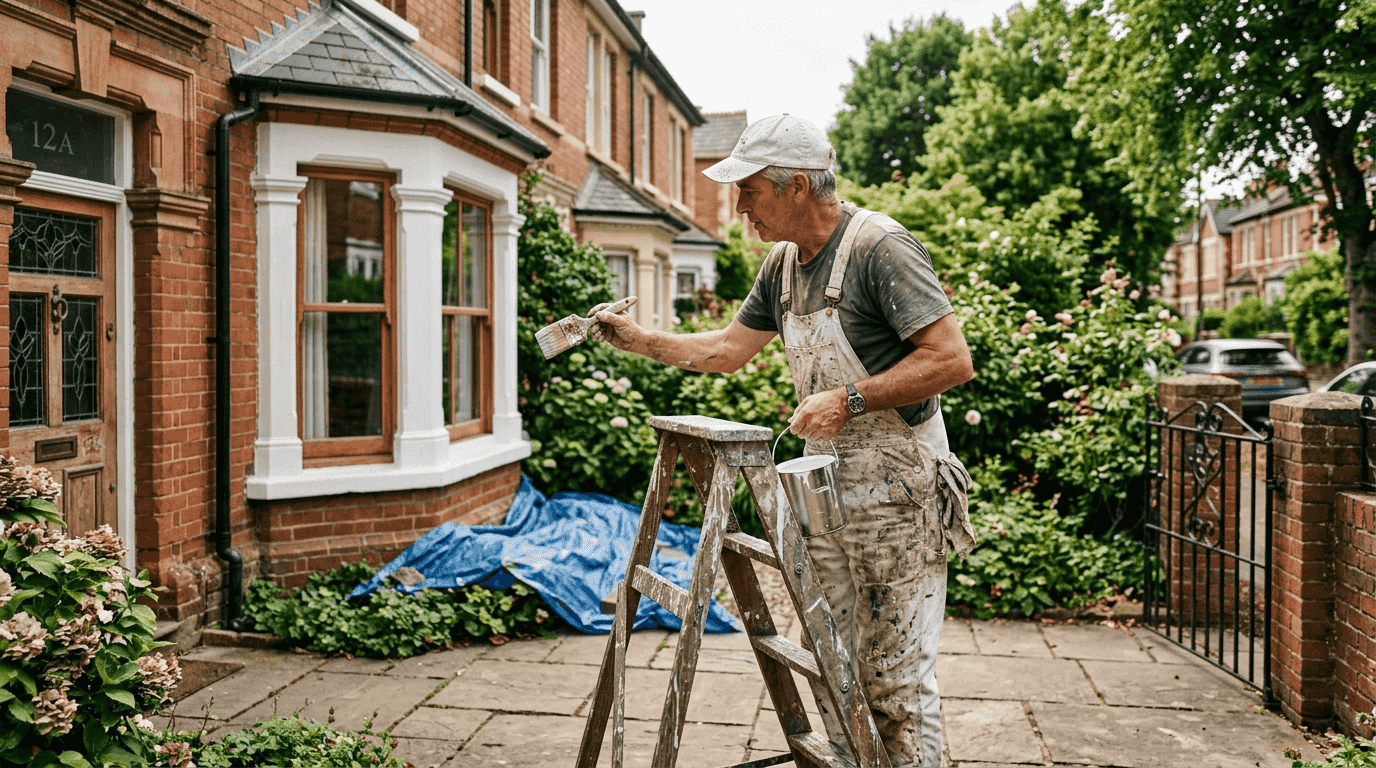
Many homeowners believe residential painting is simply applying colour to walls, yet it encompasses far more than basic decoration. Understanding what residential painting truly involves, from surface preparation to weather-appropriate timing, can save you thousands of pounds and years of frustration. Whether you’re refreshing tired interiors or protecting your exterior from the South West’s coastal climate, knowing the fundamentals ensures you make informed decisions about DIY versus professional services. This guide clarifies what residential painting covers, key timing and cost factors specific to the South West UK, and how to achieve a durable, beautifully finished project that enhances your home’s value and appeal.
Table of Contents
Key takeaways
Point | Details |
Optimal painting season | Spring to early summer offers ideal temperature and humidity conditions for exterior work in the South West UK |
Preparation determines success | Proper surface cleaning, sanding, and priming account for up to 80% of a quality finish |
Cost varies significantly | Expect £1,000 to £3,500 for exterior painting depending on property size and preparation needs |
Paint quality matters | Modern acrylic formulations provide superior weather protection and longevity over budget alternatives |
Professional techniques differ | Multiple thin coats and specialist tools prevent common DIY issues like streaking and premature peeling |
Understanding residential painting and its importance
Residential painting encompasses both interior and exterior painting of homes, from single rooms to complete property transformations. It serves two critical purposes: protecting your property from weather damage and moisture penetration whilst enhancing its aesthetic appeal and market value. Quality workmanship prevents common problems such as peeling paint, cracking surfaces, and uneven finishes that plague poorly executed projects.
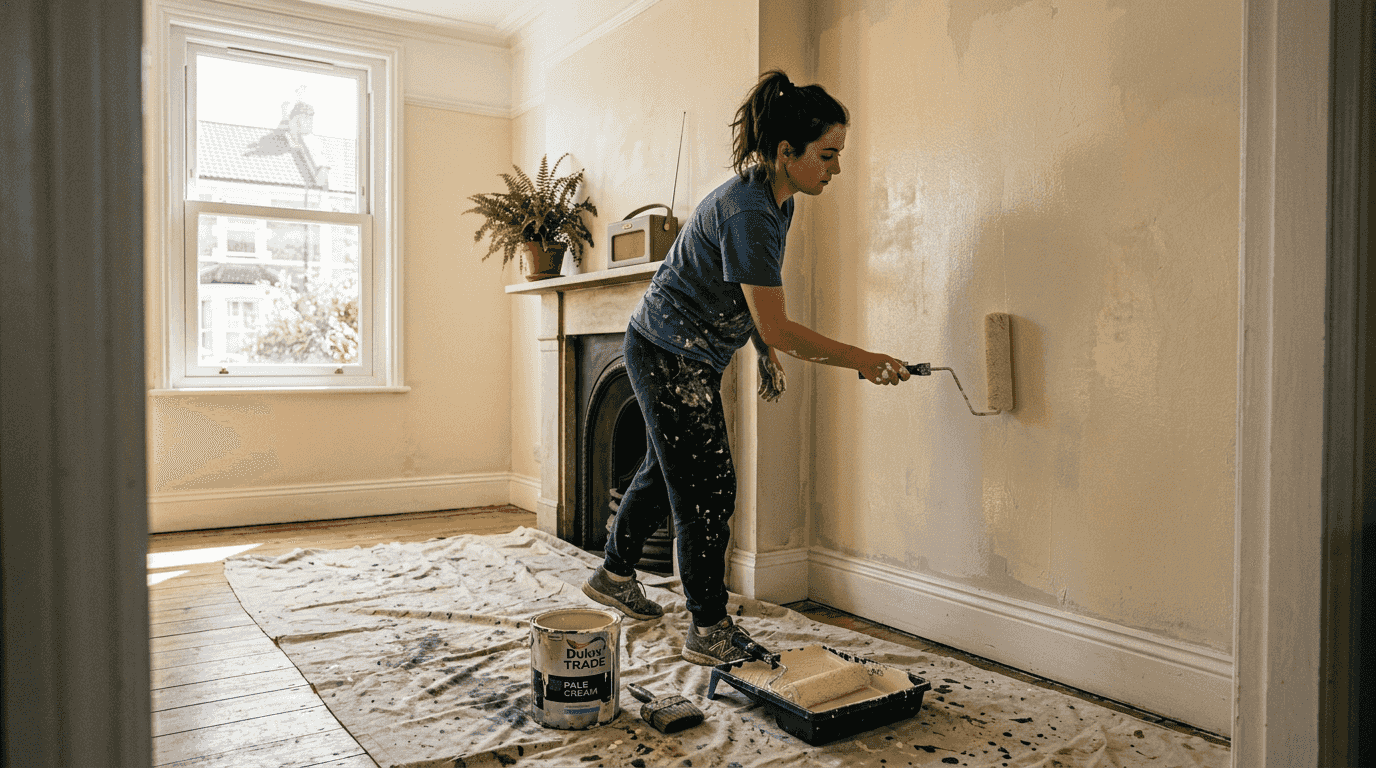
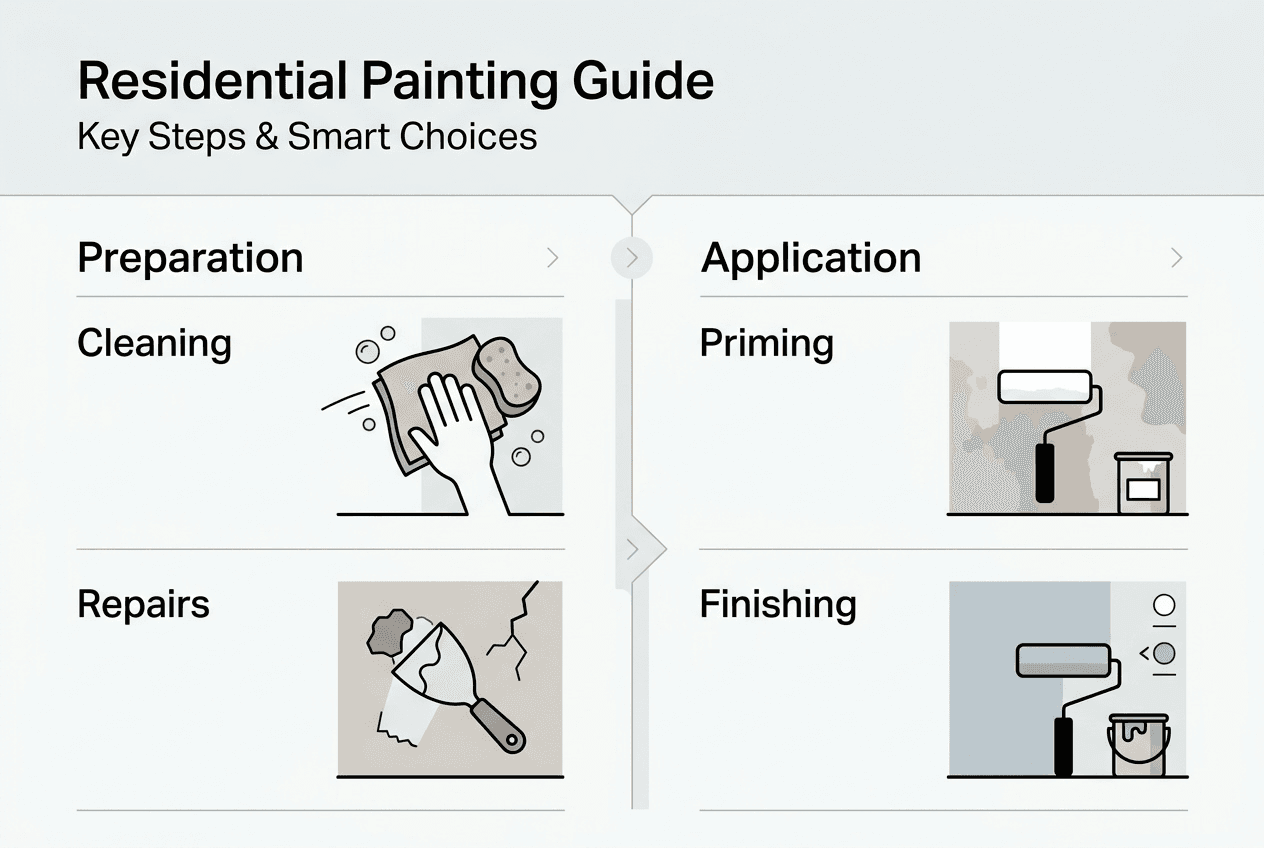
The foundation of any successful paint job lies in meticulous surface preparation. Proper surface preparation accounts for up to 80% of the final result. This involves several essential steps:
Thorough cleaning to remove dirt, grease, and mildew
Sanding rough or flaking surfaces to create smooth adhesion points
Filling cracks, holes, and imperfections with appropriate fillers
Applying primer to seal porous surfaces and improve paint bonding
Protecting fixtures, flooring, and landscaping from paint splatter
Many homeowners underestimate these preparatory tasks, focusing instead on the visible painting stage. This approach inevitably leads to disappointing results. Professional residential painting services understand that rushed preparation creates problems that no amount of quality paint can fix. The difference between a finish lasting three years versus fifteen years often comes down to preparation quality rather than paint brand.
Pro Tip: Invest at least 60% of your project time in preparation rather than application. A well-prepared surface accepts paint evenly, dries consistently, and resists weathering far better than hastily prepped walls.
Exterior painting particularly demands attention to substrate condition. Wood must be dry and stable, masonry requires appropriate sealers, and previously painted surfaces need assessment for compatibility. Ignoring these factors causes adhesion failure regardless of paint quality. Interior painting, whilst less weather-dependent, still requires proper ventilation, temperature control, and surface sealing to achieve professional results that withstand daily wear.
Timing and conditions ideal for painting homes in the South West UK
Weather conditions dramatically influence paint adhesion, drying times, and long-term durability. Spring to early summer provides optimal conditions for exterior painting in the UK, particularly March through early July. During these months, temperatures typically range between 10°C and 25°C, humidity remains moderate, and extended daylight hours allow paint to cure properly before evening dew forms.
The South West UK enjoys certain advantages for painting projects. The region’s milder climate extends the practical painting season compared to northern areas, though coastal locations present unique challenges. Salt-laden air, higher humidity, and occasional strong winds require specific paint systems designed for marine environments. Properties within five miles of the coast benefit from paints with enhanced moisture resistance and UV protection.
Temperature affects paint viscosity and drying rates. Below 10°C, most paints struggle to form proper film bonds, leading to poor adhesion and eventual peeling. Above 25°C, rapid drying can cause lap marks, uneven sheen, and surface defects. Humidity above 85% prevents proper moisture evaporation, trapping water beneath the paint film. Watch for these conditions before scheduling exterior house painting:
Minimum overnight temperature of 10°C for at least 48 hours after application
Daytime temperatures below 25°C to prevent flash drying
Relative humidity between 40% and 70% for optimal curing
No rain forecast for 24 to 48 hours depending on paint type
Light wind conditions to avoid dust and debris contamination
Mid-summer heat waves create problems despite dry conditions. Paint dries too quickly, preventing proper flow and levelling. Brush marks and roller stipple become permanent features. Conversely, autumn and winter dampness in the South West prolongs drying times and risks frost damage before paint cures fully. Interior painting enjoys more flexibility, though adequate ventilation and consistent heating remain important for proper curing.
Coastal homeowners should add extra drying time between coats. The higher ambient moisture means paint takes longer to reach full hardness. Rushing subsequent coats traps solvents and moisture, causing blistering months later. Planning your painting project around weather forecasts rather than calendar dates ensures optimal conditions for lasting results.
Cost factors and choosing quality paint and techniques
Painting costs vary considerably based on property type, surface condition, and service choice. Understanding these factors helps you budget accurately and recognise value versus false economy. Average exterior painting costs range from £1,000 to £3,500 depending on house size and required preparation work.
| Property type | Professional cost | DIY materials | Labour time | Expected longevity | | — | — | — | — | | Terraced house | £1,200-£1,800 | £300-£500 | 3-5 days | 8-12 years | | Semi-detached | £1,800-£2,500 | £450-£700 | 5-7 days | 8-12 years | | Detached house | £2,500-£3,500 | £600-£950 | 7-10 days | 8-12 years |
Several elements influence final pricing beyond property size. Extensive preparation work for neglected surfaces adds labour hours. Properties with decorative features, multiple colours, or difficult access require additional time and equipment. Paint quality represents another significant cost variable. Paint type significantly impacts durability, with acrylic resins offering superior weather protection compared to vinyl-based alternatives.
Modern acrylic paints provide excellent flexibility, allowing them to expand and contract with temperature changes without cracking. They resist fading, repel moisture effectively, and maintain colour vibrancy for years longer than cheaper options. Interior paints require different properties. High scrub-rated formulations withstand cleaning without losing sheen or colour, essential for hallways, kitchens, and children’s rooms.
Professional painters employ specific application techniques that justify their fees:
Multiple thin coats rather than single thick applications for even coverage
High-quality synthetic brushes and microfibre rollers that minimise stipple
Maintaining wet edges to prevent visible lap marks
Back-rolling sprayed surfaces for improved adhesion and appearance
Proper thinning ratios for optimal flow without compromising coverage
Pro Tip: DIY painting can reduce upfront costs by 60% to 70%, but without expert surface preparation and application methods, you risk poor adhesion, uneven finish, and significantly reduced longevity, potentially costing more through premature repainting.
Investing in quality materials and experienced labour pays dividends. A professional finish using premium paints lasts 10 to 15 years, whilst budget DIY projects often need refreshing within 3 to 5 years. Calculate the true cost per year rather than initial outlay. Professional spraying techniques can also reduce application time whilst achieving factory-finish quality on suitable surfaces.
Professional approaches to ensure quality results and durability
Professional painters distinguish themselves through systematic approaches, specialised tools, and refined techniques that prevent common painting failures. Professionals use specific techniques and tools to avoid streaks and ensure even coverage that DIY enthusiasts struggle to replicate.
High-quality brushes and rollers make measurable differences in finish quality. Synthetic brushes with tapered filaments hold more paint whilst releasing it smoothly, reducing brush marks. Microfibre rollers create finer stipple patterns than foam alternatives, producing a more uniform appearance. Professional-grade tools cost more initially but deliver superior results and withstand thorough cleaning for reuse.
The multiple thin coats approach prevents several problems. Thick single coats sag on vertical surfaces, dry unevenly, and trap solvents that weaken the paint film. Thin coats dry quickly, build gradually to full opacity, and create stronger interlocking layers. Each coat should dry fully before the next application, typically 4 to 6 hours for water-based paints in good conditions.
Maintaining wet edges prevents visible lap marks where dried paint meets fresh application. Professionals work systematically, completing entire sections without breaks. They paint from dry areas into wet edges, blending seamlessly. This technique requires planning, pace control, and understanding how quickly paint begins to set.
Aspect | Professional approach | DIY approach |
Surface preparation | Comprehensive cleaning, repairs, priming | Often rushed or skipped |
Application method | Multiple thin coats, proper technique | Single thick coats common |
Tool quality | Premium brushes, rollers, sprayers | Budget consumer-grade tools |
Time investment | Adequate drying between coats | Rushed to completion |
Expected result longevity | 10-15 years | 3-5 years |
Overall cost per year | £150-£250 | £200-£350 |
Before painting begins, professionals inspect gutters, downpipes, and rooflines for water damage. Painting over moisture-damaged wood or masonry guarantees premature failure. They identify and repair these issues first, ensuring the substrate can support long-lasting paintwork. This diagnostic approach prevents wasted effort and materials.
Preparatory tasks extend beyond the surfaces receiving paint:
Covering gardens, paths, and driveways with protective sheeting
Masking windows, doors, and fixtures with quality tape
Removing or protecting light fittings and hardware
Ensuring adequate ventilation for interior projects
Establishing safe access with proper scaffolding or ladders
Professional exterior home painting expertise includes understanding which primers suit different substrates. Bare wood requires different preparation than previously painted surfaces or masonry. Using incorrect primers causes adhesion failure regardless of topcoat quality. Similarly, surface preparation and cleaning removes contaminants that prevent proper paint bonding, a step DIY projects often underestimate.
The systematic professional approach costs more initially but delivers superior durability, appearance, and value over time. Understanding these methods helps you evaluate quotes and recognise genuine quality versus superficial promises.
Discover expert residential painting services in the South West UK
Achieving a professional finish that withstands the South West’s unique climate requires local expertise and proven methods. Whether you’re planning interior refreshment or exterior protection, working with experienced professionals ensures your investment delivers lasting results.

A Brush With Gus brings extensive experience in South West UK residential painting, understanding how coastal conditions and regional weather patterns affect paint performance. Their domestic painting services cover everything from single rooms to complete home transformations, whilst their exterior home painting expertise protects your property from the elements with durable, beautifully applied finishes. Proper preparation forms the foundation of their approach, with professional surface preparation cleaning ensuring optimal paint adhesion and longevity. Explore these specialised services to discover how quality workmanship and attention to detail create results you’ll appreciate for years to come.
Frequently asked questions
What is the difference between residential and commercial painting?
Residential painting focuses on homes and typically involves smaller-scale projects with detailed finish work, decorative elements, and homeowner preferences. Commercial painting covers business premises, often requiring faster completion, specific safety certifications, and paint systems designed for high-traffic durability. Residential projects prioritise aesthetics and personalisation, whilst commercial work emphasises efficiency and longevity.
How often should homeowners repaint exterior and interior surfaces in the South West UK?
Exterior paintwork typically needs refreshing every 8 to 12 years in the South West UK, though coastal properties may require attention every 6 to 8 years due to salt exposure. Interior walls last 10 to 15 years in low-traffic areas, whilst hallways, kitchens, and children’s rooms benefit from repainting every 5 to 7 years. Regular inspection helps identify early signs of wear before significant deterioration occurs.
What are the benefits of hiring professionals versus DIY for painting projects?
Professionals bring systematic preparation methods, quality tools, and refined application techniques that prevent common failures like peeling, streaking, and premature wear. They complete projects faster with superior finishes that last significantly longer than typical DIY attempts. Whilst DIY reduces immediate costs, professional work often proves more economical over time through extended durability and avoided remedial work.
What factors influence paint drying times especially in coastal areas?
Humidity represents the primary factor affecting drying times in coastal locations, with salt-laden air and higher moisture levels extending curing periods by 30% to 50%. Temperature, air circulation, paint type, and film thickness also influence drying. Coastal properties require longer intervals between coats and benefit from paints formulated specifically for marine environments with enhanced moisture resistance.
What preparation steps can homeowners take themselves to support professional painters?
Homeowners can clear rooms of furniture and personal items, remove wall fixtures and switch plates, and trim vegetation away from exterior walls. Identifying and reporting any moisture issues, wood rot, or structural concerns helps painters plan appropriate repairs. Ensuring clear access to all areas and arranging for pets to be elsewhere during work facilitates efficient completion and maintains safety for everyone involved.
Recommended
Comments