
What is UPVC spraying? A homeowner's guide
TL;DR:
UPVC spraying involves applying specialist coatings to existing frames to restore their appearance without replacement. Proper surface preparation, including cleaning, sanding, and masking, is essential for long-lasting, quality results. It is a cost-effective, quick alternative to replacement for structurally sound frames, with a wide range of colour options.
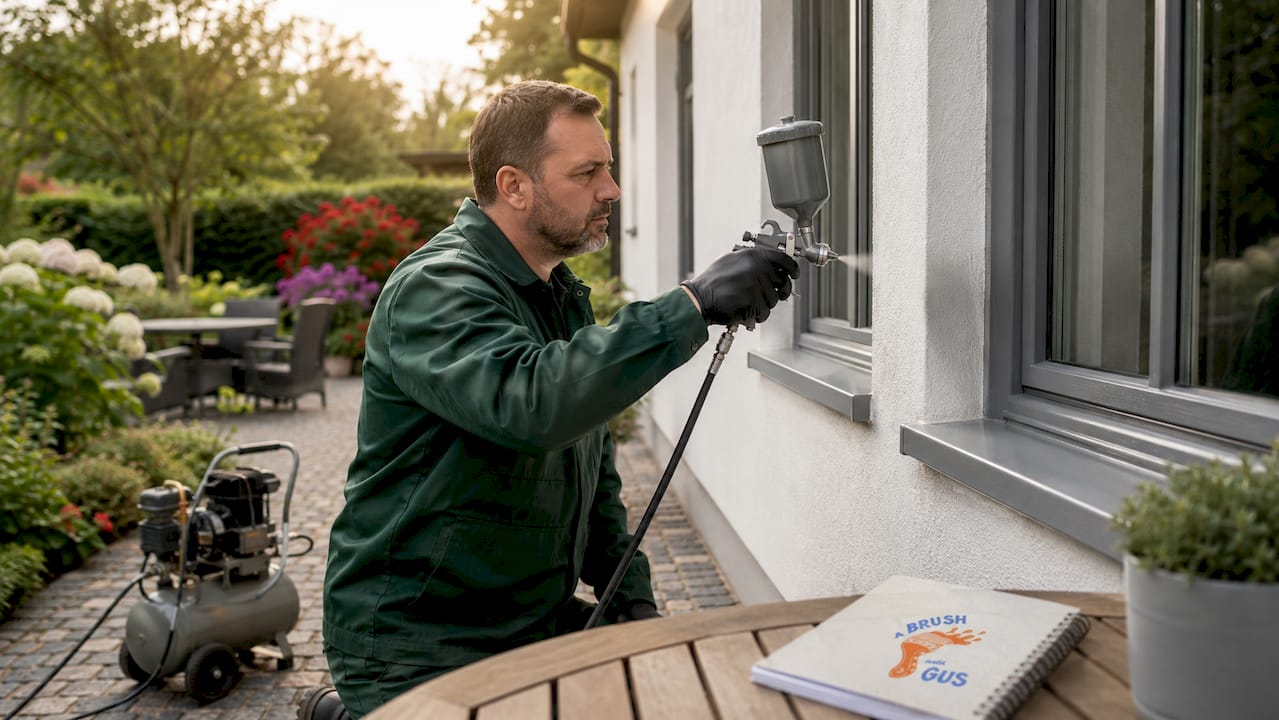
UPVC spraying is defined as the professional process of applying specialist coatings to existing UPVC windows, doors, guttering, and conservatories using spray guns and UPVC-compatible paint to refresh or change their colour without replacement. The technique uses spray equipment and specialist paint applied evenly across frames and exterior surfaces. Abrushwithgus, a South West painting specialist, uses this method to give UK homes a factory-fresh finish at a fraction of replacement cost. If your frames are structurally sound but look tired or dated, UPVC spraying is the most cost-effective way to transform them.
What is UPVC spraying and how does it work?
UPVC spraying is the professional coating process that renews the surface of existing UPVC frames rather than replacing them. A trained operative cleans, prepares, and coats the surface using airless spray equipment, such as TriTech airless sprayers, to achieve a smooth, uniform finish. The result looks factory-applied because the equipment atomises paint into fine particles that settle evenly across the surface. This is fundamentally different from brush or roller painting, which leaves texture and brush marks on a material that requires a flawless finish to look correct.
The process applies to windows, doors, garage doors, fascias, soffits, guttering, and conservatory frames. Any UPVC surface that is structurally sound and free from warping or cracking is a candidate. The industry term you will also hear is “UPVC respraying,” which refers to the same process and is used interchangeably by most professional contractors across the UK.
How is UPVC spraying done? The process explained
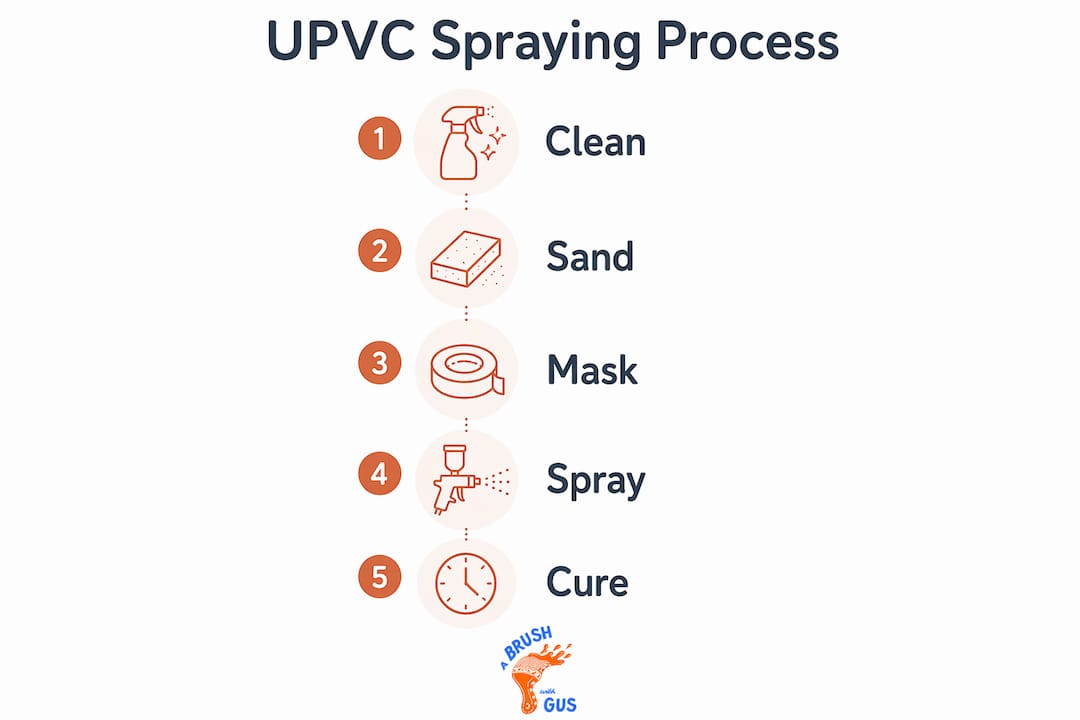
A professional UPVC spraying job follows a strict sequence. Skipping any step produces a finish that peels, bubbles, or fades within months. The following steps reflect standard professional practice.
Thorough cleaning. The operative removes dirt, algae, and surface grime using a specialist cleaner. This is not a quick wipe. Frames accumulate years of traffic film and biological growth that must be fully stripped before any coating is applied.
Degreasing and silicone removal. Invisible oils and silicone residues from sealant work are the most common cause of adhesion failure. Solvent cleaning and degreasing removes these contaminants before any mechanical preparation begins.
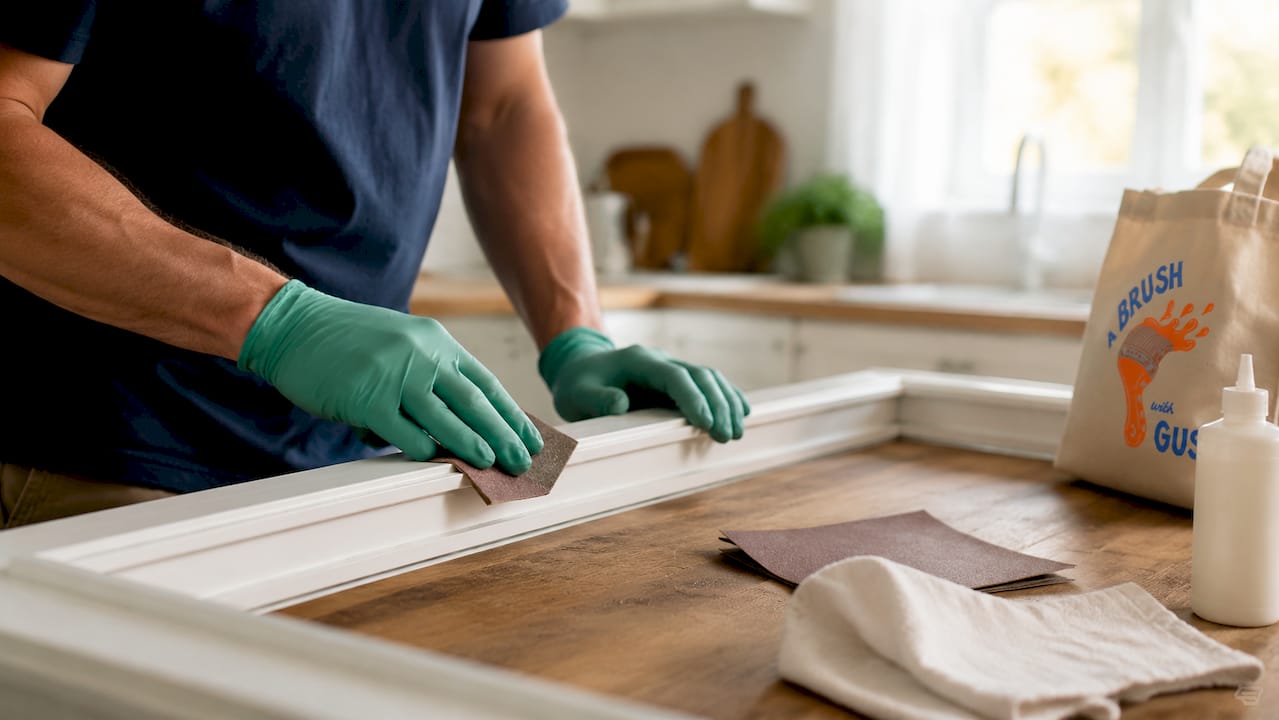
Light sanding or abrading. UPVC has a smooth, low-energy surface that resists paint. Sanding creates micro-abrasions that give the coating something to grip. This step is non-negotiable for long-term adhesion.
Masking. Glass panes, rubber seals, door furniture, and surrounding brickwork are masked with tape and sheeting. Careful masking prevents overspray from settling on adjacent surfaces, where it cures permanently and is extremely difficult to remove.
Priming (where required). Some surfaces or colour changes require a primer coat to improve the bond between the UPVC substrate and the topcoat. This is particularly relevant when moving from a dark colour to a light one.
Application of multiple thin coats. Two to three light coats with manufacturer-specified flash-off time between each produce a far better result than a single heavy coat. Heavy coats sag, run, and cure unevenly.
Drying and curing. Once the final coat is applied, the surface needs adequate time to cure before masking is removed and the property is returned to normal use.
Pro Tip: Ask your contractor which paint system they use. A 2K (two-component) polyurethane system offers significantly better durability and chemical resistance than single-component alternatives, and it is the professional standard for exterior UPVC work.
Why does surface preparation make or break the finish?
Surface preparation determines whether a UPVC coating lasts years or fails within weeks. UPVC’s smooth, low-energy surface actively resists paint adhesion. Without proper prep, even the best specialist coating will delaminate under UV exposure, thermal expansion, and rain.
Preparation accounts for a substantial portion of the total project time on any professional job. That time investment is not inefficiency. It is the reason a well-applied coating holds up through a British winter. Best spraying results depend on frame condition and preparation quality more than on paint choice alone. A premium coating applied to a poorly prepared surface will still fail.
Common failure points include:
Residual silicone. Even a thin film of silicone left from previous sealant work creates a barrier that no paint can bond to. Professional operatives use dedicated silicone removers, not just white spirit.
Dust contamination. Sanding creates dust. If that dust is not fully removed before coating, it becomes embedded in the finish and creates a rough, uneven texture.
Uneven sanding. Patches of unsanded surface leave areas with no adhesion key. These spots are where peeling starts.
Skipping primer. On aged or heavily weathered UPVC, primer is not optional. It seals the surface and creates a consistent base for the topcoat.
Pro Tip: Run a clean white cloth across the frame after degreasing. If the cloth picks up any colour or residue, the surface is not clean enough to coat. This simple check catches contamination that is invisible to the eye.
UPVC spraying vs. full window and door replacement
UPVC spraying is a cost-effective alternative to replacement when frames are structurally sound. The comparison below covers the key factors homeowners and property managers weigh when making this decision.
Factor | UPVC spraying | Full replacement |
Cost | Starts from approximately £100 plus VAT per small window | Significantly higher per window including fitting |
Time | Typically 1–2 days for a full house | Several days to weeks depending on scope |
Disruption | Windows stay in place; minimal disruption | Frames removed; property exposed during work |
Environmental impact | No manufacturing waste; existing frames retained | New frames manufactured; old frames go to landfill |
Colour choice | Wide RAL colour range available | Limited to manufacturer stock colours |
Suitability | Structurally sound frames only | Required for damaged, warped, or failed frames |
The environmental case for spraying is worth noting separately. Manufacturing new UPVC frames consumes raw materials and energy. Spraying existing frames produces no manufacturing waste and extends the service life of material already in place. For property managers overseeing multiple units, this difference adds up considerably across a portfolio.
The limitation is clear: spraying only works on frames that are in good structural condition. Warped frames, cracked profiles, or failed seals require replacement. No amount of quality coating fixes a frame that has lost its structural integrity.
Practical tips for homeowners and property managers
Choosing the right approach before work begins saves money and avoids poor results. The following points cover the decisions that matter most.
Verify the contractor uses specialist UPVC coatings. General exterior masonry paint is not suitable for UPVC. Ask specifically whether the contractor uses a 2K polyurethane or a dedicated UPVC coating system. Reading about specialist paint application methods helps you ask the right questions before hiring.
Check frame condition before booking. Walk around the property and look for cracks, warping, or failed seals. Spraying a frame with underlying structural problems wastes money. A reputable contractor will flag these issues during a survey.
Understand what DIY risks look like. DIY attempts frequently fail due to wrong paint choice, residual silicone, or inadequate surface preparation. The equipment alone, including airless sprayers and masking materials, represents a significant cost to hire or buy for a one-off job.
Plan around the weather. Spraying requires dry conditions and temperatures above a minimum threshold for the coating to cure correctly. Spring and summer offer the most reliable windows for exterior work in the South West. Avoid scheduling during periods of forecast rain or frost.
Ask about aftercare. A quality UPVC sprayed finish requires only gentle cleaning with a mild detergent. Avoid abrasive cleaners or pressure washing directly on the coated surface. Most professional coatings carry a warranty, so confirm the terms before work starts.
Consider the benefits of professional painters over DIY. Trained operatives bring calibrated equipment, correct products, and the experience to manage variables like temperature, humidity, and surface condition that directly affect the final result.
Signs a frame is unsuitable for spraying include visible cracking along the profile, frames that no longer close squarely, and glass seals that have failed and allowed condensation between panes. These frames need replacement, not a cosmetic refresh.
Key takeaways
UPVC spraying delivers a durable, factory-quality finish on existing frames, but only when surface preparation, specialist coatings, and correct application technique are all applied together.
Point | Details |
Definition | UPVC spraying coats existing frames with specialist paint using spray equipment, avoiding replacement. |
Preparation is critical | Sanding, degreasing, and masking determine whether the coating lasts or fails prematurely. |
Cost advantage | Spraying starts from around £100 plus VAT per window, far below full replacement costs. |
Speed | A full house respray typically completes in 1–2 days with minimal disruption to occupants. |
Suitability check | Only structurally sound frames are suitable; warped or cracked profiles require replacement instead. |
Angus’s view: what 15 years of spraying jobs has taught me
The single biggest mistake I see on failed UPVC jobs is not the paint choice. It is the preparation. Homeowners sometimes watch a contractor spend the first half of the day cleaning and masking and wonder why the actual spraying takes so little time by comparison. That ratio is correct. The prep is the job. The spraying is just the final step.
I have seen DIY attempts where the homeowner bought a decent UPVC paint and still ended up with a peeling mess within a season. In almost every case, the culprit was silicone residue left around the frame edges or a surface that was wiped down rather than properly abraded. UPVC does not forgive shortcuts the way timber or masonry sometimes can.
The other thing worth saying plainly: not every frame should be sprayed. I have turned down jobs where the frames were too far gone, because a fresh coat of paint on a failing frame helps nobody. A good contractor tells you this upfront. If someone quotes you without inspecting the frames in person, that is a warning sign worth taking seriously.
For property managers with multiple units, the economics of spraying over replacement are genuinely compelling. You get a consistent colour across a whole block, completed in days rather than weeks, with no scaffolding required for most ground and first-floor work. The environmental argument also matters more than it used to for clients managing larger portfolios.
— Angus
Abrushwithgus UPVC spraying services in the South West
Abrushwithgus offers professional UPVC spraying for windows and doors across the South West, covering windows, doors, garage doors, fascias, and conservatory frames. Every job follows the full preparation process described in this article, using specialist coatings and airless spray equipment for a consistent, durable finish.

The team handles everything from single windows to full property resprays for homeowners and property managers. Abrushwithgus also provides exterior home enhancement services that complement UPVC spraying, including external cleaning and full exterior decoration. Contact Abrushwithgus directly for a survey and quote tailored to your property.
FAQ
What does UPVC spraying involve?
UPVC spraying involves cleaning, abrading, masking, and coating existing UPVC frames with specialist spray-applied paint using airless spray equipment. The process refreshes or changes the colour of windows, doors, and other UPVC surfaces without removing or replacing them.
How long does a UPVC respray last?
A professionally applied UPVC respray using a 2K polyurethane coating system typically lasts many years with basic maintenance. Longevity depends on surface preparation quality, the coating system used, and exposure conditions.
Is UPVC spraying cheaper than replacement?
UPVC spraying costs significantly less than full frame replacement. Prices start from approximately £100 plus VAT per small window, compared to the considerably higher cost of supply and installation of new frames.
Can I spray UPVC windows myself?
DIY UPVC spraying frequently fails due to incorrect paint choice, residual silicone, or inadequate surface preparation. Professional results require specialist coatings, calibrated spray equipment, and trained technique that most homeowners cannot replicate with off-the-shelf products.
What colours can UPVC be sprayed?
UPVC frames can be sprayed in a wide range of RAL colours, including anthracite grey, black, cream, and heritage shades. Professional contractors can match almost any colour from the RAL catalogue, giving far more choice than standard manufacturer frame options.
Recommended
Comments