
Everything you need to know about exterior house painting
- WM Creative Designs Limited
- 5 hours ago
- 9 min read
TL;DR:
Exterior house painting protects walls from weather damage while enhancing curb appeal.
Proper preparation and seasonal timing are essential for durable, long-lasting results.
Regular inspections and maintenance prevent costly repairs and preserve property value.
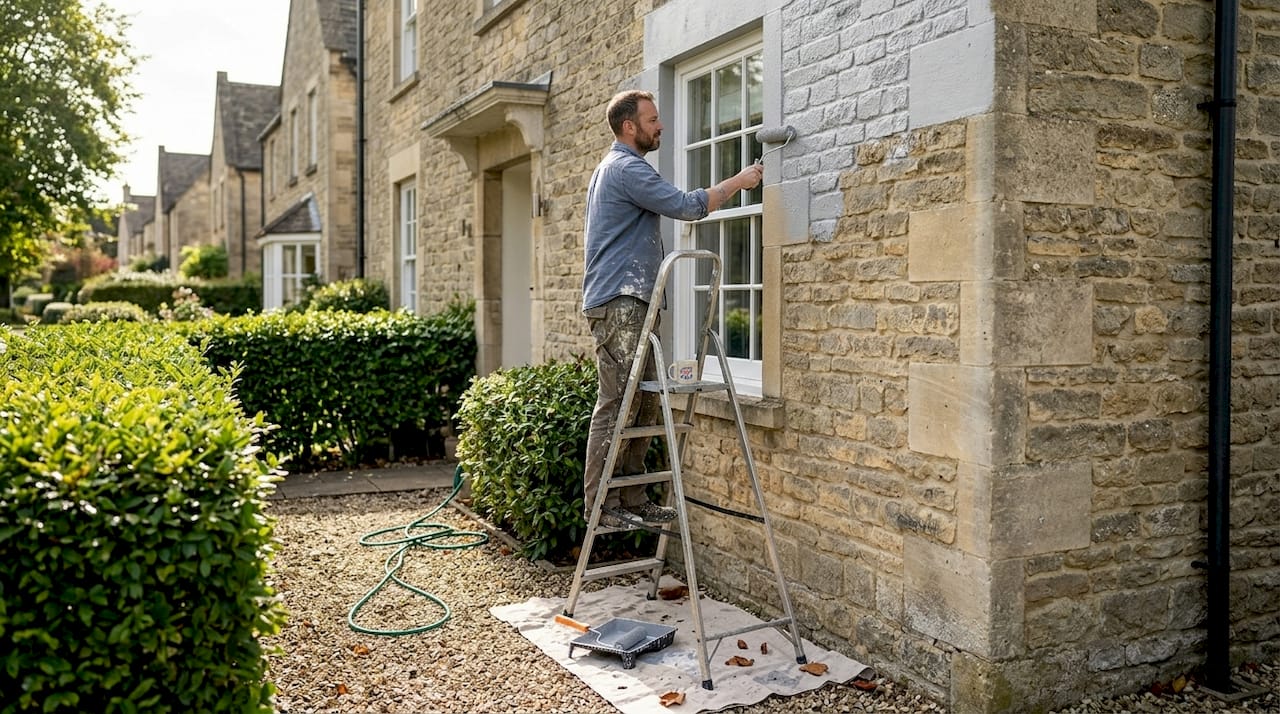
Most homeowners assume that painting the outside of their home is purely about picking a new colour. It isn’t. Exterior house painting involves applying protective and decorative coatings to outer walls, typically masonry paint on brick, render, or pebbledash, to shield your home from the elements, boost kerb appeal, and increase property value. In the South West UK, where rain, salt air, and damp conditions are a constant reality, getting this right matters enormously. This guide walks you through everything: what exterior painting actually is, why it’s worth doing, how the process works, and when your home is due a fresh coat.
Table of Contents
Key Takeaways
Point | Details |
Protects your investment | Exterior painting shields your home from weather and prevents costly damage. |
Boosts curb appeal | A fresh coat of paint dramatically improves your home’s appearance and appeal. |
Increases property value | Well-maintained exteriors can add real value when you choose to sell. |
Preparation is critical | Proper cleaning, repairs, and priming are key to long-lasting results. |
Local climate matters | Consider South West UK weather patterns when planning your exterior painting project. |
Understanding exterior house painting
Knowing why painting is more than just updating a colour, let’s break down what exterior house painting actually is.
At its core, exterior house painting means applying specialist coatings to the outside surfaces of your home. These surfaces vary widely. Brick, smooth render, textured pebbledash, and even timber cladding all require different approaches and different products. It isn’t a one-size-fits-all job, and that’s where many homeowners come unstuck when they try to treat it like a simple weekend project.
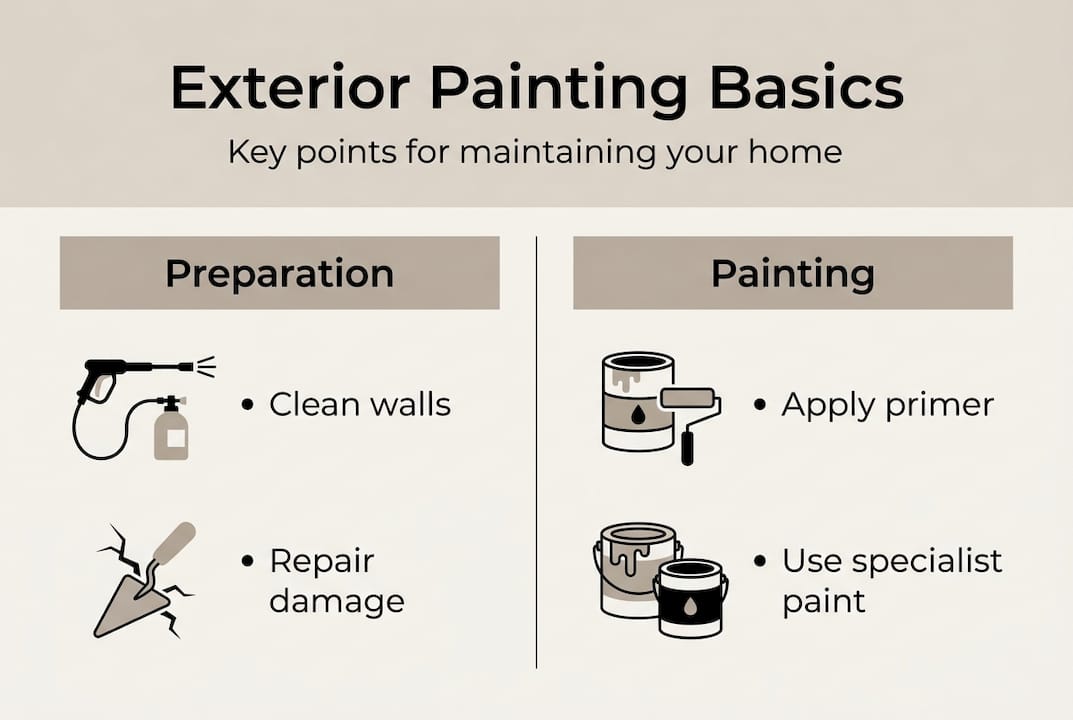
The three core purposes of exterior painting are protection, appearance, and value. Protection comes first. Your outer walls are constantly exposed to UV rays, frost, driving rain, and biological growth like algae and moss. A quality coating acts as a barrier, preventing moisture from penetrating the masonry and causing structural damage. Appearance is the part most people think about, but it’s really a by-product of doing the protection job well. And value? A well-maintained exterior signals to buyers and neighbours alike that the property has been cared for.
There are a few common myths worth clearing up:
Exterior painting is purely cosmetic and optional
Any paint will do as long as it covers the surface
You only need to repaint when the colour looks faded
Preparation is less important than the paint itself
None of these are true. The signs you need exterior painting go well beyond a tired colour. Flaking, cracking, and damp patches are all signals that the protective layer has broken down and your walls are vulnerable.
“Exterior house painting involves applying protective and decorative coatings to the outer walls, typically masonry paint on brick, render, or pebbledash, to enhance curb appeal, protect against weather, and increase property value.”
Understanding this distinction changes how you think about the job. It’s not a luxury. It’s maintenance. And like most maintenance, doing it on time is far cheaper than dealing with the consequences of leaving it too long.
Why exterior painting matters: Value, protection, and appearance
Now that you know what exterior painting involves, let’s explore why it’s so important for your home.
The South West UK is one of the wetter regions in England. Persistent rainfall, coastal salt exposure in areas like Cornwall, Devon, and Somerset, and the freeze-thaw cycle in winter all place serious stress on exterior walls. Paint isn’t decorative in this context. It’s a shield.
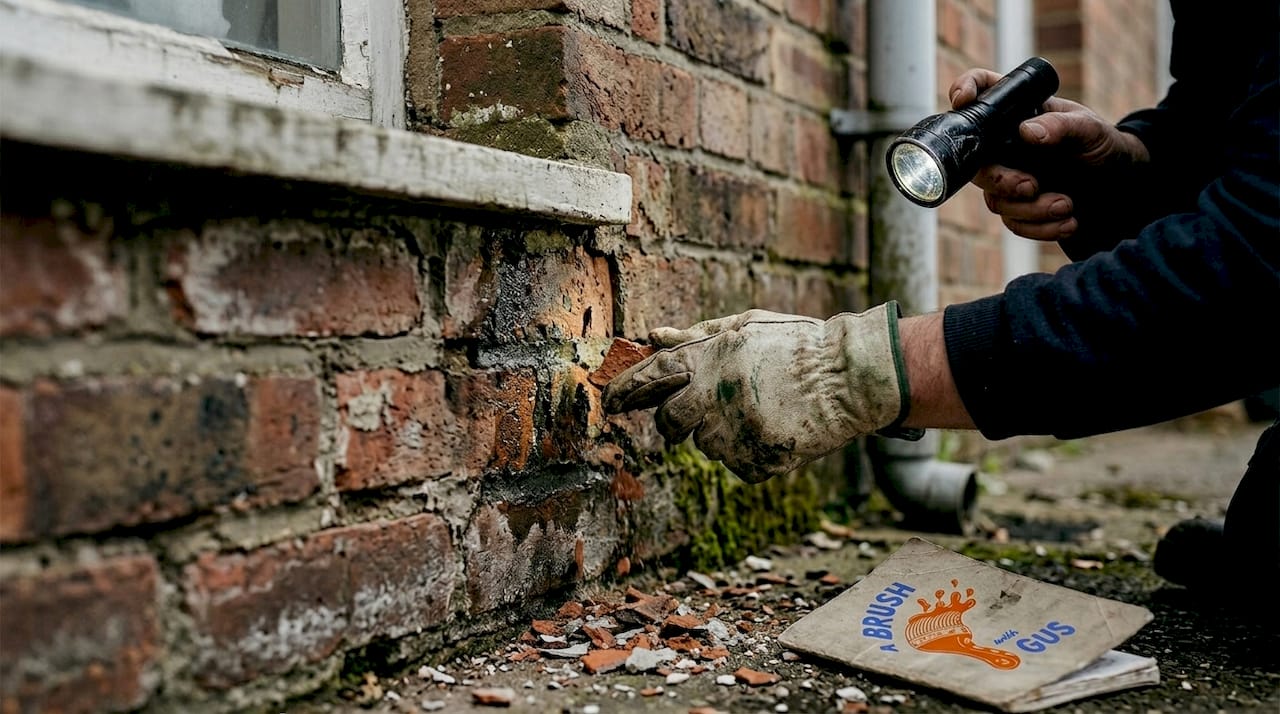
When moisture gets into masonry, it can cause spalling (where the surface breaks away), damp patches inside the home, and eventually structural issues that cost thousands to fix. A sound, well-applied exterior coating prevents all of that. It also stops biological growth like algae and mould from taking hold, which is a genuine problem in wetter climates.
Beyond protection, exterior painting enhances curb appeal in a way that few other home improvements can match for the cost. Estate agents consistently note that first impressions drive buyer decisions, and the outside of your home is the very first thing anyone sees.
Feature | Painted home | Unpainted or neglected home |
Kerb appeal | High | Low |
Weather protection | Strong | Weak |
Buyer attractiveness | Increased | Reduced |
Long-term wall integrity | Maintained | At risk |
Resale value | Higher | Lower |
The benefits of professional painters extend beyond just a tidy finish. Professionals assess the condition of your walls before a single brush is lifted, identifying issues that an untrained eye would miss entirely.
Pro Tip: In the South West UK, aim to paint during late spring or early autumn. These seasons offer the dry, mild conditions that allow paint to cure properly. Avoid painting in winter or during prolonged wet spells, as moisture trapped beneath fresh paint will cause it to fail prematurely.
Key benefits of keeping on top of your exterior painting include:
Preventing costly structural repairs caused by water ingress
Maintaining or improving your property’s market value
Reducing the growth of algae, moss, and mould
Keeping energy bills lower by sealing small gaps and cracks
Giving your home a fresh, well-maintained appearance year-round
The process: How exterior house painting is done
Understanding the reasons to paint, the next step is to unpack how the painting process actually works.
A professional exterior paint job follows a clear sequence. Rushing any stage, particularly the preparation, is the single biggest cause of early paint failure. Here’s how it should be done:
Surface inspection — The painter assesses the condition of all exterior surfaces, checking for cracks, loose render, damp patches, and biological growth.
Cleaning — Walls are thoroughly cleaned, often using a pressure washer or specialist exterior surface cleaning techniques to remove algae, dirt, and old flaking paint.
Repairs — Cracks and holes are filled, and any loose or damaged render is repaired before any paint is applied.
Priming — Bare or porous surfaces receive a primer coat to improve adhesion and ensure an even finish. As preparation steps like cleaning and priming are vital, skipping this stage is a false economy.
First coat application — Paint is applied using a brush, roller, or airless sprayer depending on the surface type and finish required.
Second coat application — A second coat ensures full coverage, depth of colour, and a durable, long-lasting finish.
Choosing the right paint matters as much as the application method. Here’s a quick guide:
Surface type | Recommended paint type | Finish |
Brick | Breathable masonry paint | Matt |
Smooth render | Flexible masonry paint | Matt or satin |
Pebbledash | Textured masonry paint | Matt |
Timber cladding | Exterior wood paint or stain | Satin or gloss |
For a typical semi-detached or terraced home in the South West UK, a professional team can complete the full process in two to four days, depending on wall condition, weather, and access requirements.
Exploring professional painting techniques and understanding the residential painting workflow can help you ask the right questions when getting quotes.
Pro Tip: Never paint over damp walls. If your walls feel cold or look dark after rain, wait at least two to three dry days before allowing any painting to begin. Painting over moisture is the fastest route to bubbling and peeling.
When and how often should you paint your home’s exterior?
Having seen what’s involved in painting, it’s vital to know when your home actually needs a fresh coat.
Most exterior paint jobs last between five and eight years. However, in the South West UK, weather affects exterior painting frequency significantly. Coastal properties exposed to salt spray, homes in heavily shaded areas prone to damp, and properties on exposed hillsides may need attention every four to six years rather than the standard cycle.
The signs you need painting are usually visible if you know what to look for. Walk around your home and check for:
Flaking or peeling paint lifting away from the surface
Discolouration, fading, or patchy areas of colour
Green or black algae and moss growth on the walls
Visible cracks or gaps in the render or between brickwork
Damp patches appearing on interior walls after heavy rain
Chalky residue left on your hand when you touch the wall
The South West presents unique challenges. High annual rainfall, salt-laden air near the coast, and the combination of warm summers and wet winters all accelerate the breakdown of exterior coatings. Regular painting maintains the protective barrier that keeps your walls structurally sound.
“Neglecting the exterior coating can lead to bigger, more expensive issues. What starts as a cosmetic problem quickly becomes a structural one.”
If you’re unsure whether your home needs painting, a simple test is to press your palm flat against the wall. If it feels damp or leaves a chalky residue on your skin, the coating has broken down and your walls are exposed. That’s your cue to act.
Why painting your home’s exterior is a smart investment
With a clear sense of when and why to paint, let’s reflect on why it pays not to wait.
We see it regularly in the South West. A homeowner delays repainting for a couple of years to save money, and by the time they call us, what would have been a straightforward paint job has turned into a repair and repaint project costing significantly more. The false economy of waiting is one of the most common and avoidable mistakes we come across.
The uncomfortable truth is that exterior walls don’t announce when they’ve stopped protecting your home. The damage happens slowly and invisibly, behind the paint film, until it becomes impossible to ignore. By then, you’re not just paying for paint. You’re paying for repairs.
There’s also the quality of materials to consider. Cheaper paints may look fine initially, but they tend to fail faster, particularly in the South West’s demanding climate. Investing in a breathable, flexible masonry paint applied correctly will outlast a budget product by years. The same logic applies to preparation. Cut corners on cleaning and priming, and even the best paint won’t last.
Our advice, shaped by years of working on homes across the region, is straightforward: treat exterior painting as a scheduled maintenance task, not a reaction to visible damage. Keep an eye on your curb appeal tips and act before problems escalate. It’s always cheaper, and the result is always better.
Take the next step for your home’s exterior
Ready to boost your property’s value and appearance? Here’s where to start.
If your home is showing any of the warning signs covered in this guide, or if it’s simply been a few years since the last coat, now is a good time to get a professional opinion. At A Brush With Gus, Gus and Rhys bring years of hands-on experience to every project across the South West, delivering finishes that last.

Whether you’re looking for professional exterior painting for your home’s walls or considering paint spraying services for a faster, ultra-smooth finish, we’re here to help. Get in touch today for a no-obligation quote and find out how straightforward it is to give your home the protection and appearance it deserves.
Frequently asked questions
What paint is best for exterior house walls in the South West UK?
Breathable masonry paint designed for wet climates is best for most exterior walls in the South West UK, as it allows moisture to escape while keeping rain out. For brick, render, or pebbledash surfaces, a flexible masonry formula will cope best with the region’s conditions.
How long does exterior house paint typically last?
Exterior paint usually lasts five to eight years, but South West UK’s high rainfall and coastal exposure can shorten this cycle. Keeping an eye on early warning signs means you can repaint before damage sets in.
Can I paint my home’s exterior myself or should I hire a professional?
DIY painting is possible for small, accessible areas, but a professional ensures proper preparation, the right materials, and a finish that lasts. Cleaning and priming are the stages most DIYers underestimate, and skipping them is the main reason paint fails early.
What time of year is best to paint a house exterior in the South West UK?
Late spring or early autumn offers the dry, mild conditions that allow paint to cure correctly. Avoid cold or wet spells, as moisture trapped under fresh paint will cause it to bubble and peel within months.
Recommended
Comments