
Who moves furniture for painters in the UK: 4 times to call movers
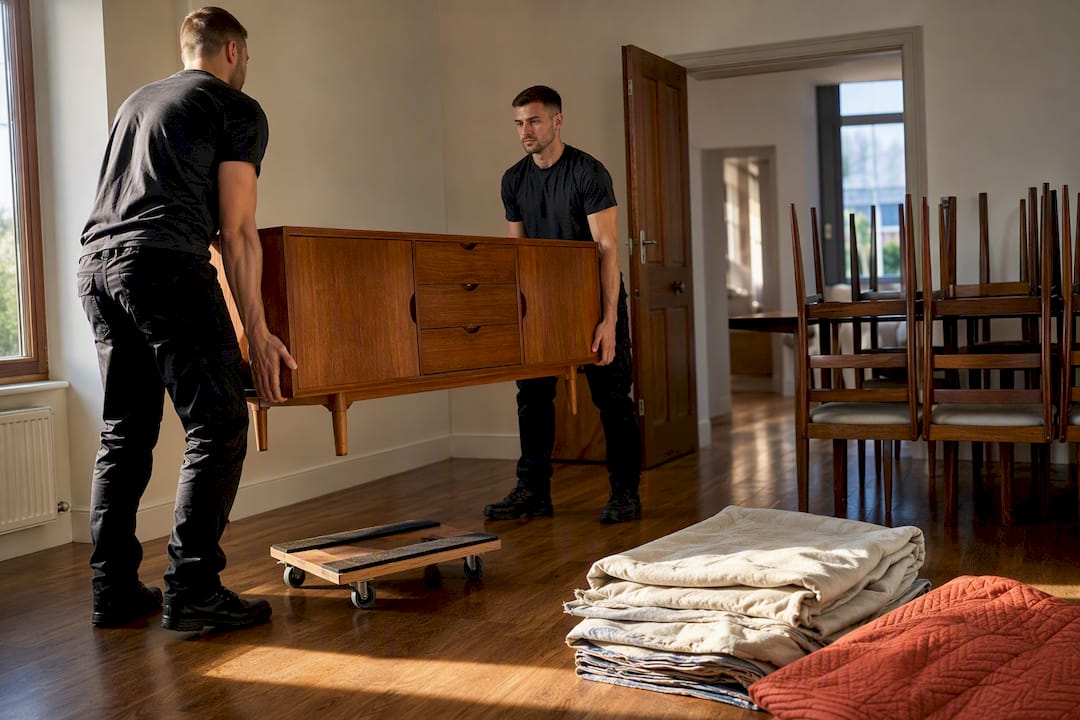
Most painters and decorators will shift light and medium furniture to the centre of a room and protect it, but they will not move heavy, fragile, or specialist items as standard. Always confirm exactly what’s included, and what isn’t, before work starts. If you own anything oversized, antique, or awkward to lift, arrange that separately.
TL;DR:
Most painters will move manageable furniture like chairs and small tables within the same room but will not handle heavy or fragile items without prior agreement.
Extra fees often apply for heavy or oversized furniture, narrow doorways, or when additional personnel are needed to safely lift or transport items.
Homeowners should clear valuables, breakables, and fragile items beforehand and clarify insurance coverage for personal belongings in writing to avoid liability issues.
Getting precise, written estimates that specify what furniture moving is included, excluded, and the rates for extra work prevents disputes and surprises on the job day.
For heavy or specialty items, hiring a professional removal service with proper transit insurance is the safest option, especially for high-value or irreplaceable furniture.
Table of Contents
Who moves furniture for painters: what to expect on the day
Painters clear a room before they open a single tin. Standard practice involves moving manageable pieces, dining tables, chairs, coffee tables, bedside cabinets, small sofas, into the centre of the room, then covering everything with dust sheets before protecting the floor with drop cloths or specialist floor film. This isn’t just tidiness. A cleared room gives the decorator proper access to skirting boards, corners, and wall edges, which directly affects the quality of the finish you end up paying for.
Most professional painters and decorators will move manageable furniture as part of this routine preparation, and it’s one of the things that separates a rushed job from a proper one.
There are limits, though. Certain items sit outside what any reasonable decorator will attempt alone:
Built-in wardrobes, alcove units, and fitted storage
Pianos and other instruments
Large freestanding wardrobes or dressers
Glass display cabinets and mirrored furniture
Anything still packed in boxes or crates
Furniture crews generally move items to the middle of the same room rather than carrying them elsewhere in the house, and putting everything back where it belongs is usually part of the job unless you’ve agreed otherwise beforehand.
When furniture moving costs extra, and when to call in movers
Practice varies more than most homeowners expect. Some decorators fold basic furniture moving into their quote as standard. Others treat it as a chargeable extra, billed hourly or per item, particularly for anything beyond a token shuffle. Some painters offer furniture moving as part of a full-service package and may charge separately for heavier or awkward pieces, so the fee structure genuinely depends on who you hire.
A few things tend to push the price up:
Very heavy items that need two or more people to lift safely
Narrow staircases or tight doorways that slow everything down
Jobs needing extra operatives just for the moving stage
Travel time and setup if furniture has to go into another room temporarily
If you own antiques, anything insured separately, or furniture that’s simply too awkward for a two-person lift, a specialist removal firm with proper transit insurance is the safer call. Decorators aren’t set up to underwrite that kind of risk, and you shouldn’t expect them to.
Pro Tip: Ask for furniture-moving terms in writing at the estimate stage, not on the day the van turns up. A verbal “yeah, we’ll sort that” is worth nothing if a table leg gets scratched.
What to move or remove before painters arrive
A bit of prep on your end saves time and reduces risk. Clear out anything genuinely irreplaceable before the crew arrives, small valuables, breakables, framed photos, lamps, and electronics all belong somewhere safer than an open room mid-job.
Empty surfaces, mantelpieces, and shallow shelving completely
Unplug and box small electricals rather than leaving them on furniture that’s about to be shuffled about
Take down anything fragile hanging on walls that are going to be worked on
Flag heavy items you can’t shift yourself when you get your quote, not the morning work starts
Doing this properly cuts the setup time your painter spends on prep, which means more of the day goes on actual painting. It also removes the argument entirely over who’s liable if something breakable gets knocked while furniture’s being shuffled around. A few practical life hacks for room painting cover this groundwork in more detail if you want a fuller checklist.
Insurance, liability, and when to draw the line
Here’s the part homeowners often overlook: painters are decorators, not professional removal specialists, and their insurance reflects that. A standard public liability policy covers accidental damage caused during the work, but it doesn’t automatically extend the same protection to your possessions that a dedicated removal firm’s transit insurance would.
Painters are not professional movers, and their insurance may not cover personal belongings to the same degree a specialist removal company’s transit policy does. That gap matters most with anything genuinely valuable, an inherited sideboard, a vintage sofa, electronics with no easy replacement.
Before anyone lifts anything worth protecting, get written confirmation of what’s covered, ask which insurer holds the policy, and check the actual liability limits rather than assuming “we’re insured” means what you think it means. For high-value pieces, photograph their condition beforehand and keep receipts to hand. If you’re not entirely comfortable with the answer you get, a regulated removal company or a specific transit insurance policy is the more sensible route.

How to agree scope and what to ask at the estimate
Get this settled before anyone books the job, not once the sheets are already down. A few direct questions at the quote stage save a lot of grief later:
“Do you move furniture as part of the quote, or is it extra?”
“Which items are specifically excluded from that?”
“Is returning everything to its original spot included in the price?”
“What’s the hourly or per-item rate if something extra comes up on the day?”
Insist on getting the answers in writing: what’s included, what’s excluded, the estimated hours, any additional rates, and the insurer’s details. A quote that mentions furniture only in passing, or skips insurance altogether, is a quote worth questioning. Vague wording around “we’ll sort the furniture” is precisely the kind of phrase that causes disputes once a table’s been dragged across a wood floor.
If a piece genuinely can’t be moved without specialist help, agree that during the estimate too. Some jobs are worked around with careful sheeting rather than lifting, and that’s a perfectly reasonable compromise as long as everyone knows it going in. A short room inventory or a couple of photos sent ahead of time also helps the decorator price the job accurately rather than guessing on the day.
A Brush With Gus: how we handle furniture and preparation
We move light furniture to the centre of the room and cover what’s left in place with proper protection, as most decorators do. For anything genuinely heavy or specialist, a piano, a large wardrobe, an antique cabinet, we’ll flag it at the estimate and ask you to arrange separate movers, purely because that’s not a risk worth taking with someone’s irreplaceable furniture. Our guide to what professional decorating actually includes covers where that boundary usually sits.
— Angus
Getting a quote that covers furniture handling properly
Choosing a professional painting and decorating service provides a practical alternative to guessing your way through a DIY paint job or gambling on a decorator who won’t put furniture-handling terms in writing. It’s better to sort out the furniture question at the estimate than argue about it afterwards.

Our domestic painting services cover interior preparation, protection, and finishing for homes across the region, and we’re happy to talk through exactly what moving and protecting your furniture involves before you commit to anything. If you’ve also got exterior work on the cards, or need gutters and windows cleaned alongside the interior job, we can quote for that at the same visit. Get in touch for an on-site estimate and we’ll agree the furniture-handling scope in writing, no vague promises, no surprises on the day.
Sources
FAQ
Do painters move furniture as standard practice?
Most will move light and medium items, tables, chairs, small sofas, to the centre of the room and protect them, but heavy or specialist pieces are usually excluded unless agreed in advance.
How much should I pay a painter per day?
Day rates vary by region and experience, so get a written quote for your specific job rather than relying on a national average, and check whether furniture handling is included in that rate.
What is the hourly rate for a painter and decorator in the UK?
Hourly rates differ widely between decorators and regions, which is exactly why a detailed written estimate matters more than any generic figure you’ll find online.
Do carpet fitters move furniture in the UK?
Some carpet fitters move light furniture as part of the job, similar to painters, but heavy items are typically the customer’s responsibility, so it’s worth checking with your fitter directly.
How much would a painter charge to paint a 12x12 room?
Pricing depends on wall condition, number of coats, and whether furniture moving is included, so ask for a written quote that itemises these factors rather than a flat estimate.
What happens if furniture gets damaged while a painter is moving it?
Ask for written confirmation of the decorator’s liability cover and insurer details before work starts, since standard public liability insurance doesn’t always match a removal firm’s transit cover for personal belongings.
Recommended
Comments