
Causes of paint peeling outdoors: what's really happening
- WM Creative Designs Limited
- Jun 21
- 8 min read
TL;DR:
Most outdoor paint failures stem from poor surface preparation, trapped moisture, or incorrect application conditions. Proper cleaning, sanding, priming, and controlling environmental factors can significantly extend paint lifespan. Addressing underlying issues like water intrusion and choosing high UV-resistant paints prevents early peeling and damage.
Paint peeling outdoors is defined as the progressive loss of adhesion between a paint film and its substrate, caused primarily by poor surface preparation, trapped moisture, or unsuitable application conditions. The causes of paint peeling outdoors are well documented, and 75–85% of exterior coating failures trace back to preparation errors rather than paint quality. Even premium paints from trusted manufacturers fail within 12–24 months when basic prep and environmental criteria are ignored. Understanding why paint fails is the first step to stopping it from happening again.
1. How improper surface preparation causes paint peeling outdoors
Poor surface preparation is the single largest driver of outdoor paint failure. Preparation accounts for roughly 80% of a successful paint job. Without it, paint films inevitably lift and peel regardless of the product used.
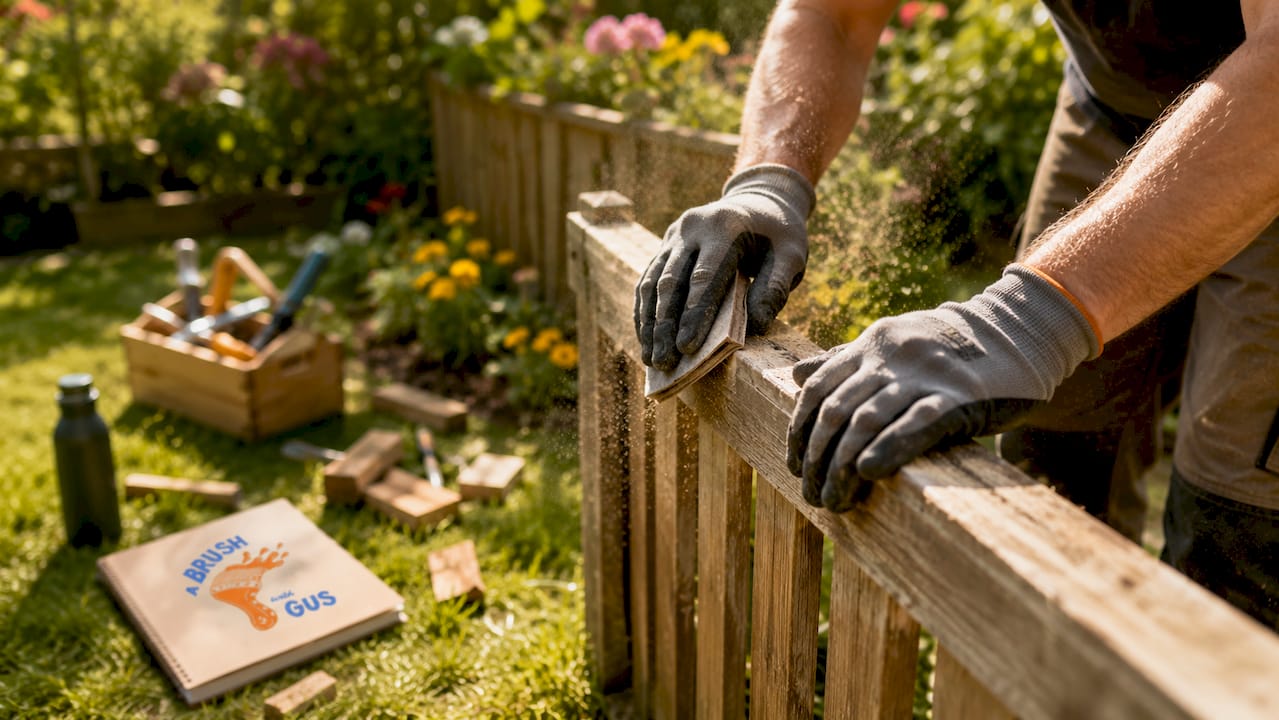
Surface prep covers four core tasks: cleaning, scraping, sanding, and priming. Skip any one of them and you create a weak point in the paint system. Painting over a dusty, chalky, or greasy surface is the equivalent of applying tape to a dirty wall. The bond simply does not hold.
Common prep failures include painting bare wood without a primer, applying latex paint over un-sanded oil-based coats, and painting over masonry that still carries a chalky residue from a previous failed coat. Each of these creates a layer of separation between the new paint and the solid substrate beneath it.
Proper surface preparation extends an exterior paint job’s lifespan from under 2 years to 8–10 years. That difference is not about the paint. It is entirely about what happens before the first brush stroke.
Pro Tip: Always follow the manufacturer’s recommended prep sequence for the specific substrate you are painting. Timber, masonry, and metal each require different primers and preparation steps.
2. The role of moisture and dampness in outdoor paint failure
Moisture is the second most destructive force behind exterior paint deterioration. When water is trapped inside a wall or substrate, vapour pressure builds and pushes the paint film outward. The result is blistering, bubbling, and eventually peeling.
Masonry surfaces must have a moisture content below 12–15% before painting begins. Painting over wetter masonry traps vapour beneath the film, which then forces the coating away from the surface as temperatures rise and fall.
Common sources of moisture intrusion include:
Leaking gutters or downpipes that allow water to saturate walls repeatedly
Failed caulking or sealant around window frames, doors, and joints
Faulty flashing above lintels, bay windows, or roof junctions
Poor ventilation inside the property causing condensation to migrate outward
Rising damp in older masonry properties without a functioning damp-proof course
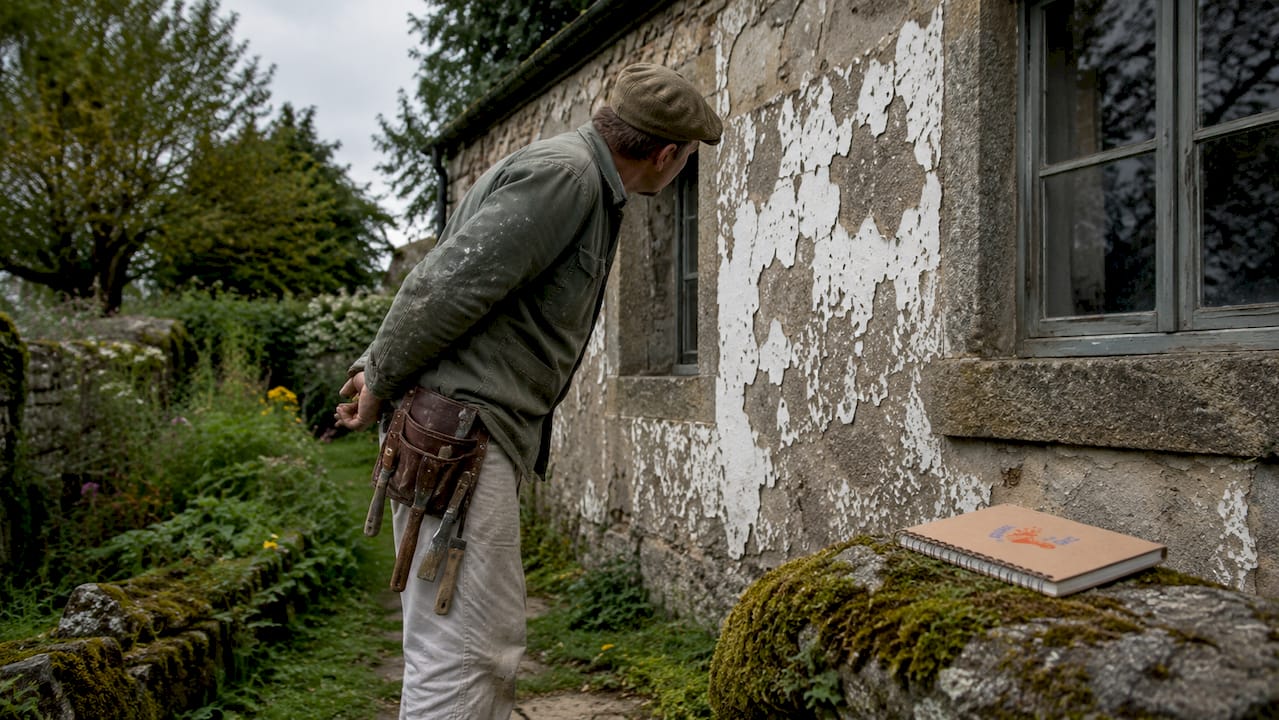
Visible peeling often stems from localised water intrusion points such as failed flashing or unsealed joints rather than uniform coating failure. This is why you often see peeling concentrated around window reveals or directly below gutters rather than across an entire wall.
Osmotic blistering is a slower, longer-term form of moisture damage. Moisture and contaminants trapped beneath the paint film gradually force the coating outward over months or years. Addressing osmotic blistering demands fixing both the trapped moisture and any substrate contamination to prevent it recurring.
North-facing walls and surfaces near gutters are the most vulnerable spots on any UK property. They receive less sun, dry more slowly, and accumulate moisture over winter. Inspect these areas first when diagnosing peeling.
Pro Tip: Use a moisture meter to test wall readings before painting. Most are available from builders’ merchants for under £30 and can save you from a failed paint job within months.
3. Application errors that lead to exterior paint peeling
How and when paint is applied matters as much as what is applied. Application errors are a leading cause of paint durability issues that show up within the first season after painting.
Painting in temperatures above 35°C or below 10°C results in poor curing and adhesion failures. Cold temperatures slow the chemical curing process, leaving the film soft and vulnerable. High temperatures cause flash drying, where the surface skins over before the underlying paint has properly cured.
Key application errors to avoid include:
Painting on a damp substrate before surface moisture has fully evaporated after rain
Applying paint in direct sunlight on south-facing walls during summer, which causes flash drying
Skipping recommended drying times between coats, trapping solvent beneath the film
Applying coats too thickly, which prevents even drying and creates internal stress in the film
Using interior paint outdoors, which lacks the UV stabilisers and flexibility needed for exterior conditions
Painting in direct sunlight or extreme weather weakens paint adhesion by causing flash drying or incomplete curing. The paint may look fine for a few weeks, then begin to crack and peel as the seasons change and the film contracts and expands.
The weather effects on paint in the South West of England are particularly relevant. High humidity, frequent rain, and mild but variable temperatures mean the application window is narrower than many homeowners realise. Early morning on a dry, overcast day is often the best time to paint exterior surfaces in this region.
4. How old coatings and substrate conditions cause peeling
The history of a surface matters enormously. Old paint layers, chemical incompatibility between coatings, and substrate conditions all contribute to paint adhesion problems outdoors.
Latex paint applied over un-sanded oil-based paint causes intercoat failure and peeling. The two paint types have different flexibility and adhesion properties. Without sanding the oil-based coat to a key and applying a bonding primer, the new latex coat has nothing solid to grip.
Substrate condition | Likely failure type | Recommended action |
Un-sanded oil-based paint | Intercoat peeling, lifting sheets | Sand thoroughly, apply bonding primer |
New masonry under 28 days old | Saponification, rapid film failure | Wait full curing period before painting |
Chalky or sun-baked old paint | Flaking, powdery adhesion failure | Strip back to sound surface, reprime |
Alkaline fresh plaster or cement | Chemical film breakdown | Use alkali-resistant primer first |
New masonry and cement surfaces require a minimum 28-day curing period before painting. Painting too early causes saponification, a chemical reaction between the alkaline substrate and the paint binder that breaks down the film from within. The paint may look sound initially, then begin to soften, blister, and peel within weeks.
Paint applied over chalky or sun-baked layers will not bond properly. The underlying paint has essentially died, leaving a powdery surface that acts like dust. New paint grips the dust rather than the substrate, and the whole system fails together.
Different peeling patterns reveal the underlying cause. Curling strips suggest intercoat failure between two incompatible coatings. Large sheets lifting away point to moisture pushing from behind. Small flat chips scattered across a surface indicate chalky or dead underlying layers. Reading the pattern correctly saves you from repeating the same mistake.
Pro Tip: Before repainting any exterior surface, run a simple adhesion test. Press a strip of masking tape firmly onto the old paint, then pull it away sharply. If paint comes with it, the existing coat is not sound enough to paint over.
5. UV exposure and the long-term breakdown of exterior paint
UV radiation from sunlight degrades paint films continuously over time. This is a slower cause of paint deterioration compared to moisture or poor prep, but it is unavoidable on any exposed exterior surface.
UV breaks down the binders in paint that hold pigment particles together and keep the film flexible. As binders degrade, the film becomes brittle and loses its ability to expand and contract with temperature changes. Cracking follows, and once the film cracks, moisture enters and accelerates peeling.
South-facing walls receive the most direct sunlight in the UK and typically show UV degradation first. Chalking, where the surface develops a white powdery residue, is an early sign that UV has begun breaking down the binder. If you repaint over a chalky surface without removing it, the new coat will peel within months.
Choosing long-lasting exterior paint with high UV resistance significantly slows this process. Masonry paints with silicone or elastomeric formulations offer better UV stability and flexibility than standard emulsions. They cost more upfront but reduce the frequency of repainting considerably.
Key takeaways
The primary causes of outdoor paint peeling are poor surface preparation, trapped moisture, and incorrect application conditions, each of which can be prevented with the right knowledge and process.
Point | Details |
Surface prep is the foundation | Skipping cleaning, sanding, or priming causes 75–85% of all exterior paint failures. |
Moisture must be controlled | Masonry must be below 12–15% moisture content before any paint is applied. |
Application conditions matter | Painting below 10°C or above 35°C causes poor curing and early adhesion failure. |
Old coatings need assessment | Chalky, oil-based, or uncured substrates require specific treatment before repainting. |
UV degrades paint over time | Choosing silicone or elastomeric masonry paint slows UV breakdown and extends paint life. |
What I have learned from years of exterior painting in the South West
After years of working on exterior properties across Cornwall and the wider South West, the pattern I see most often is this: homeowners repaint over a failing surface without addressing what caused the failure in the first place. They spend money on good paint, apply it carefully, and then watch it peel again within a year. The paint is never the problem.
The most overlooked issue is moisture. People see peeling near a window and assume the paint was cheap. Nine times out of ten, there is a failed seal, a blocked gutter, or a hairline crack letting water in behind the surface. Fix the water source first. Everything else follows from that.
I also see a lot of damage caused by painting at the wrong time of year. The South West has mild winters, which tempts people to paint in february or march when there is a dry spell. But substrate temperatures are still low, and overnight damp undoes the work done during the day. Patience here genuinely pays off.
The properties I see holding their paint for a decade or more all have one thing in common. The prep was done properly the last time they were painted. Not rushed, not cut short. Full strip back where needed, correct primer for the substrate, and paint applied in the right conditions. That is the whole formula.
Regular inspection of gutters, sills, and north-facing walls each autumn takes about twenty minutes and catches problems before they become expensive. A small crack sealed in october costs almost nothing. The same crack left until it has caused a metre of peeling paint costs considerably more to fix.
— Angus
Stop paint peeling before it starts with Abrushwithgus

Persistent paint peeling is almost always preventable. Abrushwithgus provides professional exterior painting services across the South West, covering full surface preparation, moisture assessment, and expert application under the right conditions. The team also offers specialist UPVC spraying for windows, doors, and trims where standard brush application is not suitable. Whether you are dealing with an existing peeling problem or planning a repaint from scratch, Abrushwithgus gives you a finish built to last. Get in touch for a no-obligation quote and find out how proper prep and professional application can protect your property for years to come.
FAQ
What is the most common cause of exterior paint peeling?
Poor surface preparation causes 75–85% of all exterior paint failures. Painting over dirty, chalky, or unprimed surfaces prevents proper adhesion and leads to peeling within 12–24 months.
How do I know if moisture is causing my paint to peel?
Peeling concentrated around gutters, window frames, or north-facing walls strongly suggests moisture intrusion. Use a moisture meter to check wall readings before repainting. Masonry must read below 12–15% moisture content.
Can I paint over peeling exterior paint?
Painting directly over peeling paint will fail quickly. The peeling coat must be fully removed, the substrate repaired and primed, and any moisture source addressed before new paint is applied.
Why does my exterior paint peel so quickly after repainting?
Quick repeeling usually means the underlying cause was not fixed. Common reasons include residual moisture, an incompatible old coating that was not sanded, or painting in temperatures below 10°C that prevented proper curing.
How long should exterior paint last on a UK property?
With correct surface preparation and application in suitable conditions, exterior paint should last 8–10 years. Without proper prep, the same paint may fail in under 2 years.
Recommended
Comments