
Pet-safe home painting tips for pet owners in 2026
TL;DR:
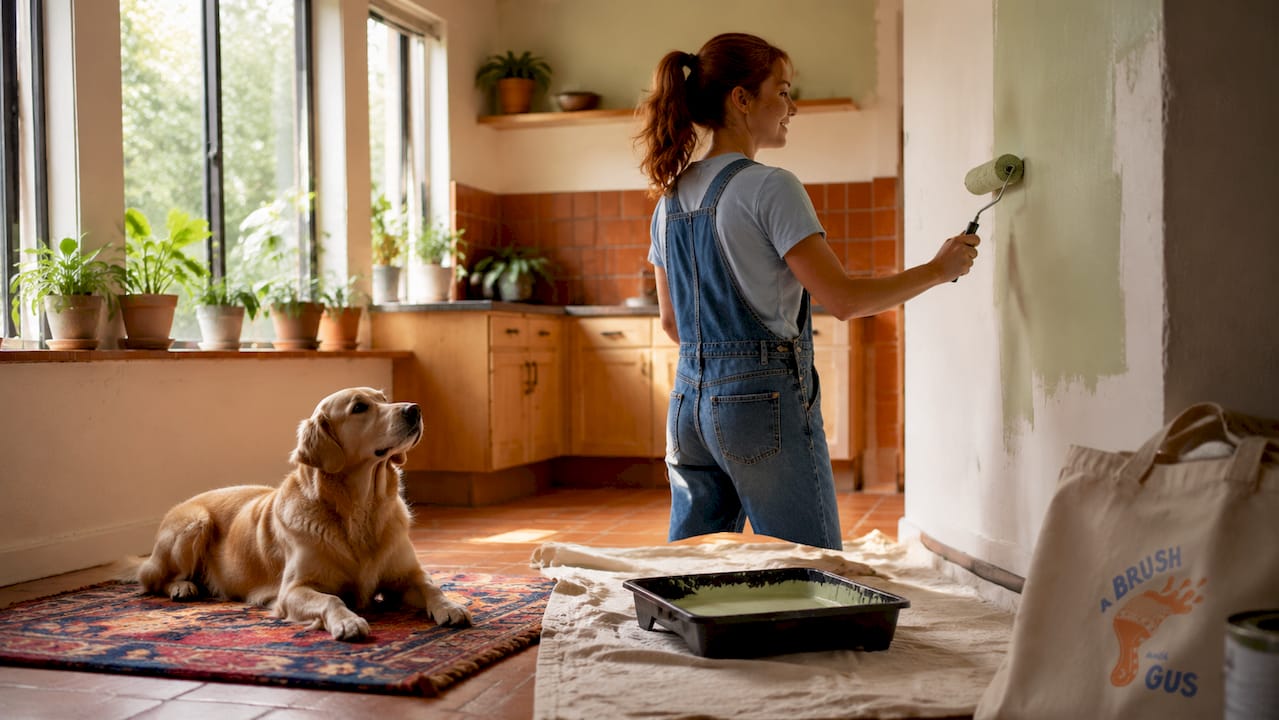
Pet-safe home painting involves choosing low or zero-VOC paints and following safety measures to prevent pet exposure to harmful fumes. Proper preparation, ventilation, and a waiting period of at least 24 to 48 hours after painting are essential to protect pets from respiratory issues and chemical irritation. Thorough cleaning and monitoring symptoms further ensure a safe environment for animals during and after house painting projects.
Pet-safe home painting means choosing non-toxic, low or zero-VOC paints and following strict safety measures that prevent your pets from exposure to harmful chemicals. VOC stands for volatile organic compound, the term professionals use for the gases that evaporate from wet paint and linger in the air long after the brush has dried. Pets are more vulnerable than humans to these compounds because their higher respiratory rates and constant sniffing mean they absorb fumes faster. Following the right pet-safe home painting tips protects dogs, cats, and small animals from respiratory irritation, skin reactions, and worse.
1. Which paints are safest for pets?
Zero-VOC and low-VOC paints are the correct starting point for any pet-friendly home renovation. Zero-VOC is defined as fewer than 5 grams per litre of volatile organic compounds. Low-VOC sits below 50 g/L for flat finishes and below 150 g/L for non-flat finishes under most industry standards.
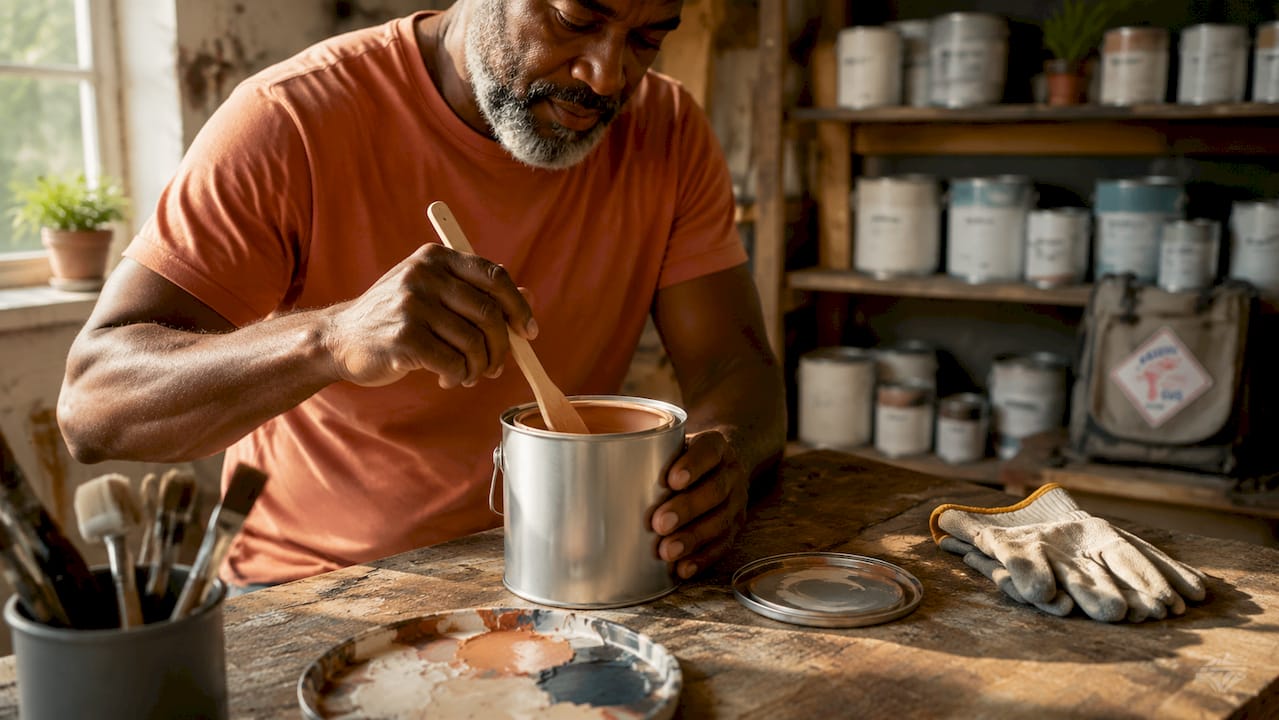
Water-based emulsions and milk paints are the safest categories for pet households. Water-based paints dry faster, off-gas less, and clean up without solvents. Milk paint uses casein (a milk protein) as its binder and contains no synthetic chemicals at all, making it one of the most genuinely non-toxic options available.
Certifications matter more than marketing language. GreenGuard Gold certification, issued by UL, sets strict chemical emission limits specifically for sensitive environments including homes with children and animals. The American Lung Association also recommends zero-VOC products for indoor air quality. Look for these labels on the tin rather than relying on terms like “eco” or “natural,” which carry no regulated meaning.
Zero-VOC paints like Benjamin Moore Natura (0 g/L) and Sherwin-Williams Harmony (under 5 g/L) are widely cited as top choices for pet-sensitive homes. Both carry independent certifications and are available in a full range of colours and finishes. Hypoallergenic and stain-resistant finishes also reduce the need for harsh chemical cleaners later, which matters when you have pets walking across freshly painted floors.
Pro Tip: Always check the VOC level of the tinted version of a paint, not just the base. Colourants added at the mixing desk can raise VOC content significantly, even in a base labelled zero-VOC.
2. How to prepare your home and pets before painting
Preparation is where most pet owners make their biggest mistakes. Getting the environment right before a single tin is opened reduces your pets’ exposure more than any paint choice alone.
Follow these steps before you start:
Set up a pet-free zone. Use baby gates, closed doors, or temporary barriers to block access to the work area. Do this at least an hour before painting begins so pets are settled elsewhere.
Remove all pet items from the room. Bowls, bedding, toys, and litter trays absorb fumes and paint particles. Move them to a room that will not be painted.
Ventilate before you open the tin. Open windows and set up a fan to exhaust air outwards. Creating a negative pressure environment by pointing a fan out of the window draws fumes away from the rest of the house rather than letting them drift through it.
Keep pets out during sanding. Sanding releases fine dust particles that settle on surfaces and floors. Pets that walk through sanding dust and then groom themselves can ingest toxic residues.
Relocate pets during the most intensive phases. If you are spraying rather than rolling, consider sending pets to a friend’s home or a boarding facility for the day. Spray application produces far more airborne particles than brush or roller work.
Protect surfaces pets touch most. Cover kitchen counters, pet feeding stations, and floor areas adjacent to the work zone with dust sheets before you begin.
Pro Tip: For cabinet doors and smaller items, off-site painting removes the fume source from your living space entirely. A professional can take doors away, spray them in a controlled workshop, and return them cured and ready to hang. This is one of the most effective ways to reduce pet exposure during a kitchen refresh.
3. How long to keep pets away after painting
The minimum safe exclusion period after painting is 24–48 hours. That window applies to standard water-based emulsions on walls. Pets are more sensitive than humans to chemical inhalation, so the human “it smells fine” test is not a reliable guide.
Different surfaces require different timelines:
Walls and ceilings: Keep pets out for at least 24 hours with windows open throughout.
Kitchen cabinets: Wait at least 4–6 hours before dogs walk near freshly painted cabinet bases, and 24–48 hours before cats can jump onto painted counters or shelving.
Floors: Painted or varnished floors need the longest exclusion. Pets walk on floors constantly and then lick their paws. Allow a full 48 hours minimum, and longer for oil-based products.
High-gloss finishes: These cure more slowly than matt or eggshell. Add an extra 12–24 hours to any timeline when using gloss.
The sniff test is a useful final check. Perform a sniff test at least 10 feet away from the painted surface before allowing pets back in. If you can still detect a chemical odour, the paint is still off-gassing. Wait longer. Residual fumes at that distance indicate the room is not yet safe for animals.
4. Post-painting cleaning to protect your pets
Cleaning after painting is not optional. Paint particles and sanding dust settle far beyond the work zone, often in areas you would not think to check. Pets that walk through these residues and then groom themselves can ingest toxic material.
Clean floors with pet-safe cleaners after any painting or sanding work. Micro-dust from sanding settles on skirting boards, under furniture, and along walls where pets tend to walk. A damp mop with a pH-neutral, pet-safe floor cleaner removes these particles more effectively than dry sweeping, which simply redistributes them.
Post-painting cleaning steps to follow:
Continue ventilation for 48–72 hours after the final coat, not just while the paint is wet.
Wipe down skirting boards and low surfaces with a damp cloth before pets re-enter.
Wash pet bedding if it was in an adjacent room during painting. Fumes travel through gaps under doors.
Avoid harsh chemical cleaners in freshly painted rooms. Strong solvents can react with uncured paint and release additional fumes.
Monitor your pets’ behaviour for the first 48 hours after re-entry. Excessive sneezing, eye watering, lethargy, or loss of appetite are signs of chemical irritation. Contact your vet if symptoms persist.
Pro Tip: Abrushwithgus recommends keeping a pet diary for the first week after a painting project. Note any changes in eating, sleeping, or breathing patterns. This gives your vet a clear timeline if a problem arises.
5. Common misconceptions about non-toxic paint for pets
The most dangerous assumption pet owners make is that all water-based paints are automatically safe. Water-based simply describes the solvent used as a carrier. The paint can still contain toluene, formaldehyde, and other harmful VOCs affecting pets’ respiratory systems. Always check the actual VOC content in grams per litre, not just the paint type.
A second common mistake is applying human hair dyes or craft paints directly to pets for novelty or costume purposes. Vets warn that human hair dyes and standard craft paints can cause chemical burns, skin sores, and systemic toxicity if ingested or absorbed through the skin. No paint designed for walls or crafts is safe for use on animals.
Other misconceptions to avoid:
“The paint is dry, so it’s safe.” Dry and cured are not the same. Paint can feel dry to the touch within an hour but continue off-gassing for days.
“We only painted one wall, so it’s fine.” Even a small painted area in a poorly ventilated room can produce enough fumes to affect a small dog or cat.
“Low-VOC means no risk.” Low-VOC reduces risk significantly but does not eliminate it. Ventilation and exclusion protocols still apply.
“Spray paint is faster, so we’ll just do it quickly.” Spray application produces a far higher concentration of airborne particles than brush or roller work. Speed does not reduce exposure. Proper safe painting methods and equipment do.
Effective pet-safe painting covers method and environment, not just paint selection. Operational protocols are as important as the product in the tin.
6. Signs your pet may have been exposed to paint fumes
Recognising early symptoms of VOC exposure can prevent a minor reaction from becoming a serious health issue. Pets cannot tell you they feel unwell, so you need to know what to look for.
Common signs of paint fume exposure in dogs and cats include persistent sneezing or coughing, watery or red eyes, drooling, pawing at the face, and unusual lethargy. In more serious cases, pets may vomit, lose coordination, or show signs of breathing difficulty. Small animals such as rabbits, guinea pigs, and birds are especially vulnerable because their respiratory systems are more delicate than those of dogs or cats.
If you notice any of these signs, move your pet to fresh air immediately and contact your vet. Bring the paint tin or note the product name so the vet can assess the specific chemicals involved. The painting safety guidance from Abrushwithgus covers this in more detail for homeowners planning larger projects.
Key takeaways
Pet-safe home painting requires zero or low-VOC paint, strict pet exclusion for at least 24–48 hours, and thorough post-painting cleaning with pet-safe products.
Point | Details |
Choose certified paints | Use zero-VOC or GreenGuard Gold certified paints to minimise chemical risk for pets. |
Exclude pets during and after painting | Keep pets out of painted rooms for at least 24–48 hours, longer for floors and gloss finishes. |
Ventilate throughout | Use outward-facing fans to exhaust fumes and continue ventilation for 48–72 hours after the final coat. |
Clean thoroughly afterwards | Mop floors with pet-safe cleaners to remove micro-dust and paint particles before pets re-enter. |
Watch for symptoms | Monitor pets for sneezing, lethargy, or eye irritation for 48 hours after re-entry and contact a vet if concerned. |
Angus’s take: what I’ve learned from painting homes with pets
The thing I see most often is pet owners focusing entirely on paint choice and then skipping the preparation and ventilation steps. They buy a certified zero-VOC product, which is the right call, and then open the tin in a closed room with the cat still sitting on the sofa. The paint is only one part of the equation.
From years of working on domestic projects across the South West, I have found that the families who have the smoothest experience are the ones who treat pet exclusion like a non-negotiable rule rather than a suggestion. They arrange for pets to stay elsewhere on the day of spraying, they keep windows open for two full days after, and they mop before the animals come back in. It sounds like a lot, but it takes less time than a vet visit.
The other thing I would say is this: do not underestimate small animals. Bird owners in particular often do not realise how sensitive avian respiratory systems are. A parrot in a room two doors down from a freshly painted hallway can be affected. If you have birds, reptiles, or small mammals, move them to a different part of the house entirely and keep them there until the smell is completely gone.
If you are ever unsure, call your vet before the project starts. A two-minute conversation can save a lot of worry. And if the project is large enough that you are considering professional help, work with a painter who knows which products to use and how to manage the environment properly.
— Angus
Painting your home safely with Abrushwithgus
Pet owners in the South West can take the guesswork out of safe home painting by working with a team that already knows which products and methods protect animals.

Abrushwithgus uses low and zero-VOC paints as standard on domestic painting projects and applies professional ventilation techniques to reduce fume exposure throughout the job. The team can also handle off-site preparation for cabinet doors and smaller items, keeping the most intensive painting phases away from your living space and your pets. For post-project care, the professional cleaning service removes micro-dust and paint residues with pet-safe products before your animals come home. Get in touch with Abrushwithgus for a no-obligation quote on your next project.
FAQ
What is the safest paint to use around pets?
Zero-VOC water-based paints with GreenGuard Gold certification are the safest option for pet households. Products like Benjamin Moore Natura (0 g/L VOC) and Sherwin-Williams Harmony (under 5 g/L) are widely recommended for sensitive environments.
How long after painting can pets re-enter a room?
Keep pets out for at least 24–48 hours after painting walls with water-based emulsion. Floors and high-gloss finishes need longer. Use the sniff test at 10 feet from the surface as a final check before allowing pets back in.
Are water-based paints automatically safe for pets?
No. Water-based describes the carrier solvent, not the VOC content. A water-based paint can still contain toluene and formaldehyde. Always check the VOC level in grams per litre and look for independent certification.
What signs show a pet has been affected by paint fumes?
Watch for persistent sneezing, watery eyes, drooling, lethargy, or vomiting. Move the pet to fresh air immediately and contact your vet, bringing the product name or tin with you.
Can I paint with pets in the house if I use low-VOC paint?
Pets should still be excluded from the work area even with low-VOC products. Ventilation and exclusion protocols apply regardless of paint type. The safest approach is to keep pets in a separate, well-ventilated part of the home until the painted room has fully aired out.
Recommended
Comments