
The role of project planning in painting projects
- WM Creative Designs Limited
- Jun 12
- 9 min read

TL;DR:
Effective project planning in painting ensures surface preparation, scheduling, and communication are well-coordinated, preventing premature failures. Proper planning can extend exterior paint life to 7–10 years and interior finishes to 10–15 years by addressing environmental factors and adhering to strict phases. Clear scope definition, scheduling around drying times, and professional management are essential for durable, cost-effective results that last.
Project planning in painting is defined as the structured process of assessing surfaces, scheduling phases, allocating resources, and coordinating communication before a single brush touches a wall. Without it, even premium paint fails prematurely. The Project Management Institute reports that nearly 11% of painting projects fail primarily due to poor planning and scheduling. That figure is not a rounding error. It represents real money wasted, real finishes that peel within two years, and real frustration for homeowners who thought they were buying a lasting result. The role of project planning in painting is to coordinate every stage, from the first surface assessment to the final quality check, so the outcome is durable, cost-effective, and exactly what you expected.
How does project planning improve painting quality and longevity?
Proper project management extends exterior paint lifespan to 7–10 years and interior finishes to 10–15 years. That gap between a paint job that lasts a decade and one that starts flaking in three years almost always comes down to planning discipline, not the paint brand on the tin.
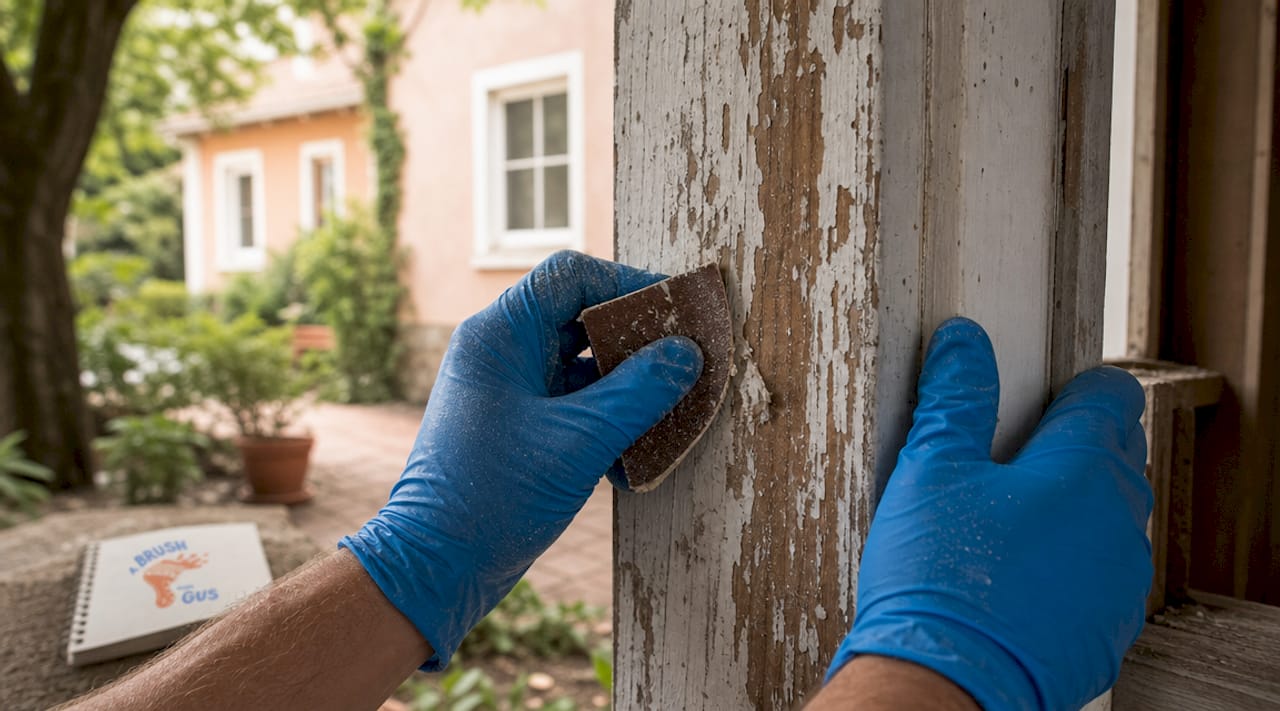
Surface preparation is where planning has its most direct impact. Prep time accounts for 20% to 40% of total project time, and skipping or rushing it is the leading cause of premature paint failure, even when the paint itself is high quality. A structured project plan builds that preparation window into the schedule rather than treating it as optional. This means sanding, filling, priming, and allowing adequate drying time between coats are all treated as non-negotiable phases, not things to squeeze in when convenient.
Climate and environment are the other decisive variables. The biggest misconception homeowners hold is that paint quality drives success. In reality, temperature, humidity, and cure times determine whether a finish bonds properly. In the South West of the UK, where weather shifts quickly, scheduling exterior work around local climate conditions is a planning task that separates professional results from amateur ones.
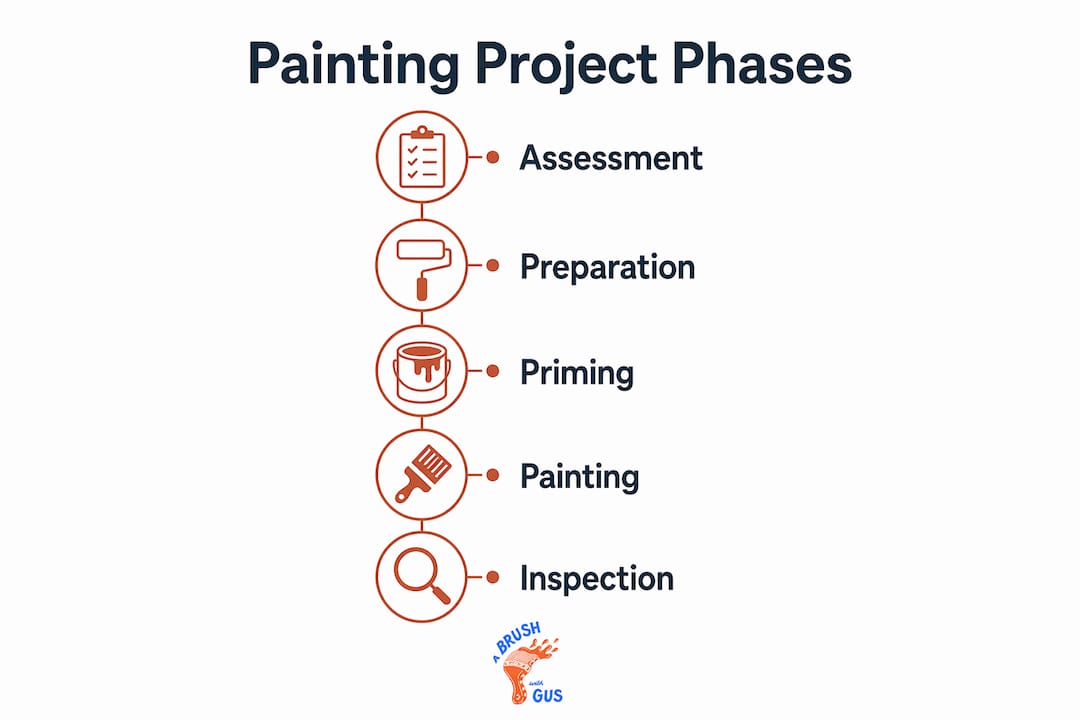
A well-structured project follows five clear phases: surface assessment, preparation, priming, painting, and quality inspection. Each phase has defined outputs and sign-off points. Skipping the inspection phase, for instance, means defects are discovered after the contractor has left rather than corrected on site.
Pro Tip: Ask your contractor to show you the project schedule in writing before work begins. If they cannot produce one, that tells you everything about how they manage the preparation phase.
What common issues arise from poor project planning in painting?
Poor planning in painting projects does not just produce an ugly finish. It produces a cascade of avoidable costs and delays that compound throughout the job.
Poor project performance wastes roughly 9.9% of every pound spent on a project globally. For a £5,000 exterior repaint, that is nearly £500 lost to inefficiency before the first coat dries. The waste typically appears in four predictable forms:
Vague or missing scope. When a contractor does not know exactly which surfaces are included, they either underprice and cut corners or overprice to cover uncertainty. Both outcomes hurt you.
Rushed preparation. Contractors under time pressure skip sanding and priming steps. The finish looks fine at handover and fails within 18 months.
Weather-related delays. Exterior jobs scheduled without checking seasonal forecasts get interrupted, leaving surfaces exposed and partially primed.
Change orders mid-project. Decisions about colour, product, or scope that were not finalised before work began generate costly mid-project changes that inflate the final bill.
“The biggest planning failure is not a bad contractor. It is a client who has not decided what they want before the work starts. Strict protocols to finalise colours, products, and scope before contract signing are the single most effective way to avoid facility manager-induced delays.” — Commercial painting project management guide
Frequent repainting is the most expensive consequence of poor planning. A paint job that should last ten years and instead lasts three means you pay for the same work three times in a decade. The cost of planning properly is a fraction of the cost of repainting prematurely.
How to plan a painting project: steps for homeowners and property managers
Effective planning for painters and their clients follows a clear sequence. The steps below apply whether you are repainting a single room or managing a full exterior refurbishment across multiple properties.
Define scope before requesting quotes
Write down exactly which surfaces are included: walls, ceilings, woodwork, doors, window frames, and any specialist areas such as UPVC. Providing the same detailed written scope to every contractor you approach prevents vague bids and hidden costs. Without a shared scope document, one contractor prices for two coats and another prices for three, and you cannot compare them accurately.
Schedule around drying times and weather
Each phase of a paint job requires drying time before the next coat or phase begins. A realistic schedule builds in 24 to 48 hours between coats for most interior work and longer windows for exterior work in cooler months. For South West UK properties, check the Met Office forecast for the two weeks surrounding your planned exterior start date. Painting in temperatures below 10°C or above 30°C compromises adhesion.
Account for occupancy
Occupied buildings require 30% to 50% more calendar time than vacant ones. This is a critical planning variable for property managers overseeing tenanted homes or commercial spaces. Scheduling work in phases, room by room, and communicating disruption windows to occupants in advance prevents complaints and keeps the project moving.
Planning element | Unplanned approach | Planned approach |
Scope definition | Verbal agreement, open to interpretation | Written document shared with all bidders |
Scheduling | Start when contractor is available | Phased timeline with drying windows built in |
Colour and product selection | Decided during the job | Finalised before contract signing |
Communication | Ad hoc calls when problems arise | Agreed check-in schedule from day one |
Occupancy management | Disruption handled reactively | Phased access plan agreed in advance |
Set a communication protocol from the start
Formal communication rhythms with contractors, such as daily check-ins or end-of-day progress reports, prevent costly surprises. Agree on the format, whether that is a WhatsApp message, email, or a brief on-site meeting, before work begins. This is not micromanagement. It is the mechanism that catches problems while they are still cheap to fix.
Pro Tip: Use a painting contractor checklist to vet contractors before you commit. Contractors who welcome detailed planning conversations are the ones who deliver on their promises.
How does professional project management differ from DIY planning?
The difference between professional project management in painting and an informal DIY approach is not just experience. It is methodology, documentation, and the discipline to shift roles once work begins.
Professional painters and project managers use a waterfall methodology for painting projects. This means each phase must be completed and signed off before the next begins. Assessment leads to preparation, preparation leads to priming, priming leads to painting, and painting leads to a documented quality inspection. No phase is skipped because the schedule is tight.
Key distinctions between professional and informal approaches include:
Role shift during execution. Planning is a discipline that requires you to move from planner to monitor once work starts. A professional project manager does not just create a schedule and walk away. They track progress against it daily and intervene when phases slip.
Documented change orders. Any deviation from the agreed scope, whether an additional surface, a colour change, or a product substitution, is recorded in writing with a revised cost. Informal arrangements handle changes verbally, which leads to disputes at invoice time.
Quality assurance milestones. Professional project management builds in inspection points after preparation, after priming, and after the final coat. Each milestone has defined pass criteria. This is how professional paint jobs achieve finishes that hold up for a decade.
Technology and scheduling tools. Professional contractors use scheduling software to track labour, materials, and drying windows simultaneously. This prevents the common DIY error of ordering materials too late or booking tradespeople before surfaces are ready.
Eco-material compliance. Low-VOC paints perform as well as traditional paints when applied with proper project management. A professional plan accounts for the specific application and curing requirements of eco-friendly coatings, which differ from solvent-based products.
The result of this disciplined approach is not just a better-looking finish. It is a finish that lasts, documented evidence of what was done and why, and a clear process for resolving any issues that arise after handover.
Key takeaways
Effective project planning is the single most important factor in whether a paint job lasts its full expected lifespan or fails within a few years.
Point | Details |
Planning determines longevity | Proper project management extends exterior finishes to 7–10 years and interiors to 10–15 years. |
Preparation is non-negotiable | Surface prep accounts for 20–40% of project time and is the leading cause of failure when rushed. |
Written scope prevents waste | Sharing a detailed scope with all bidders eliminates vague quotes and costly mid-project changes. |
Occupancy adds time | Occupied properties need 30–50% more calendar time, so build this into your schedule from the start. |
Communication prevents surprises | Agreed daily or weekly check-ins with your contractor catch problems while they are still cheap to fix. |
Why I think most paint failures start long before the first coat
After years working on residential and commercial properties across the South West, I have seen the same pattern repeat itself. A homeowner chooses a quality paint, hires a contractor who seems experienced, and ends up with a finish that starts peeling or fading within two seasons. When you trace it back, the failure almost never starts with the paint. It starts with a conversation that did not happen before the job began.
The most common mistake I see is treating painting as a single event rather than a system. People focus on the colour and the product and skip the part where you agree on exactly what surfaces are included, what preparation standard is expected, and what happens if the weather turns. Those decisions feel administrative. They are actually the entire foundation of a good result.
What I tell every client is this: insist on a written scope before you sign anything. Ask your contractor what their preparation process looks like and how long they allow for drying between coats. If they cannot answer those questions specifically, the planning has not been done. And without planning, you are not buying a ten-year finish. You are buying a three-year one at a ten-year price.
The contractors who prioritise project management, who show up with a schedule, communicate daily, and document every change, consistently deliver results that hold up. That is not a coincidence. It is the direct output of treating planning as a discipline rather than a formality. If you want to understand what separates a lasting finish from a disappointing one, read about professional painting techniques and notice how much of the advice is about process, not product.
— Angus
How Abrushwithgus approaches your painting project
At Abrushwithgus, every job starts with a detailed project scope, not a rough estimate scribbled on the back of a business card. Gus and Rhys work with homeowners and property managers across the South West to define exactly what is included, schedule phases around drying times and weather, and maintain clear communication throughout. The team uses low-VOC and eco-friendly materials where appropriate, managed correctly to match the durability of traditional coatings.

Whether you are planning a full exterior repaint or refreshing interior rooms in a tenanted property, Abrushwithgus brings the same structured approach to every project. Explore the full range of domestic painting services and get in touch for a detailed, no-obligation quote that starts with a proper conversation about your project.
FAQ
What is the role of project planning in painting?
Project planning in painting coordinates every phase from surface assessment to final inspection, ensuring preparation is thorough, scheduling is realistic, and communication is structured. Without it, even high-quality paint fails prematurely due to rushed prep or poor timing.
How much of a painting project should be spent on preparation?
Surface preparation accounts for 20% to 40% of total project time and is the most critical factor in paint durability. Rushing this phase is the leading cause of premature failure, regardless of paint quality.
Why do painting projects go over budget?
Poor project performance wastes roughly 9.9% of every pound spent, typically through vague scope, mid-project change orders, and weather-related delays. A written scope agreed before work begins is the most effective way to control costs.
Does planning matter more for occupied properties?
Occupied buildings require 30% to 50% more calendar time than vacant ones, making planning especially critical for property managers. Phased scheduling and advance communication with occupants prevent disruption and keep the project on track.
How do I choose a contractor who prioritises project management?
Ask any contractor to provide a written project schedule and explain their preparation process before you commit. Contractors who welcome detailed planning questions and document change orders in writing are the ones most likely to deliver a lasting finish.
Recommended
Comments