
Why repaint commercial properties: a complete guide
TL;DR:
Repainting on commercial properties is essential for maintaining the protective coating that prevents moisture, UV damage, and structural decay. Regular inspections and timely scheduling reduce repair costs and enhance tenant perception, brand image, and market value. Compliance with VOC regulations and professional planning ensure a successful project without operational disruptions.
Most commercial property owners think of repainting as something you do when things look shabby. That assumption costs money. Paint on a commercial building is not decoration. It is a protective coating that stands between your structure and moisture, UV radiation, and the slow grind of weather. Repainting acts as a barrier that prevents decay in metal, wood, and masonry. Get the timing wrong or skip a cycle, and what started as surface wear becomes structural damage with a far larger repair bill attached. This guide covers the real reasons to repaint, when to act, what regulations apply, and how to plan a project that protects your investment.
Table of Contents
Key takeaways
Point | Details |
Paint is protective, not cosmetic | Coatings shield building materials from moisture, UV, and weather damage that lead to costly structural repairs. |
Repaint cycles vary by exposure | Most commercial buildings need repainting every 5 to 10 years, depending on environmental conditions and material type. |
Appearance affects commercial outcomes | Freshly painted premises improve tenant retention, brand perception, and leasing success. |
VOC compliance is non-negotiable | Selecting low-VOC or zero-VOC products protects occupants and keeps your project within regulatory limits. |
Professional planning reduces disruption | Staged scheduling and experienced contractors keep operations running during a repainting project. |
Why repaint commercial properties: the protective case
There is a version of this conversation that focuses entirely on looks. That version misses the bigger argument. Paint coatings reduce decay from moisture, UV radiation, dirt, and shifting weather conditions. Those forces are working on your building every single day, and unprotected surfaces lose the battle faster than most owners realise.
Consider what happens to untreated steel or timber cladding after a few wet winters in the South West. Rust spreads beneath surface rust. Wood fibres absorb water, swell, and crack. Masonry develops hairline fissures that become pathways for water ingress. None of this is dramatic on day one. The damage is cumulative, and it accelerates once the protective layer fails.
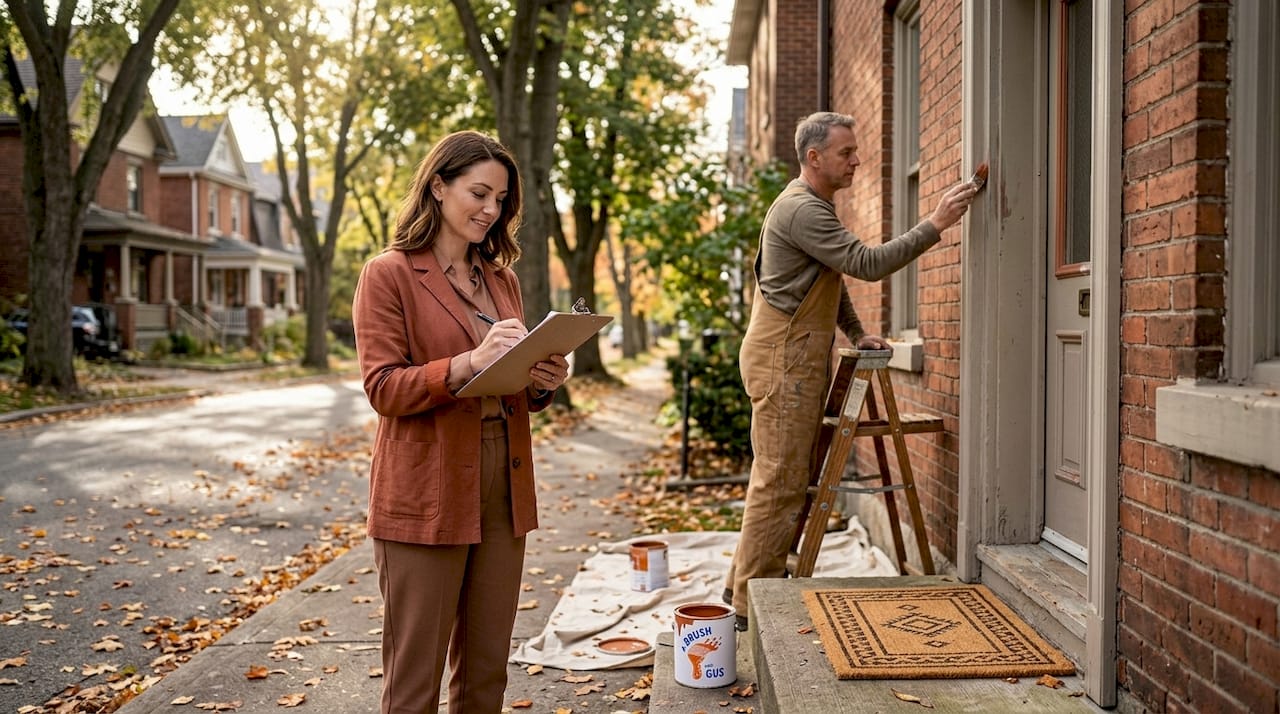
The key threats that timely repainting guards against include:
Moisture ingress: Water penetrating through cracked or peeling paint is the single biggest cause of structural deterioration in commercial buildings.
UV degradation: Sunlight breaks down paint binders, causing chalking and fading that leaves the substrate exposed.
Biological growth: Algae, mould, and lichen take hold on damp, unprotected surfaces, accelerating surface decay.
Metal corrosion: Exposed ironwork and steel fixings corrode quickly once the protective film is compromised.
Thermal stress: Temperature fluctuations cause materials to expand and contract. A sound paint film accommodates this movement; a failing one cracks and lifts.
Delaying repainting turns minor, manageable surface failures into structural problems that cost significantly more to fix. A repainting programme timed correctly is always cheaper than the repair bill it prevents.
Pro Tip: Inspect your exterior coatings every spring and autumn. Catching adhesion failures early, before they spread, keeps repair scopes small and costs predictable.
Aesthetics and commercial advantage
Fresh paint does more than protect the fabric of your building. It directly shapes how tenants, customers, and prospective occupants perceive your property. A well-maintained appearance signals professionalism and affects both tenant attraction and retention in ways that vacancy rates make painfully clear.
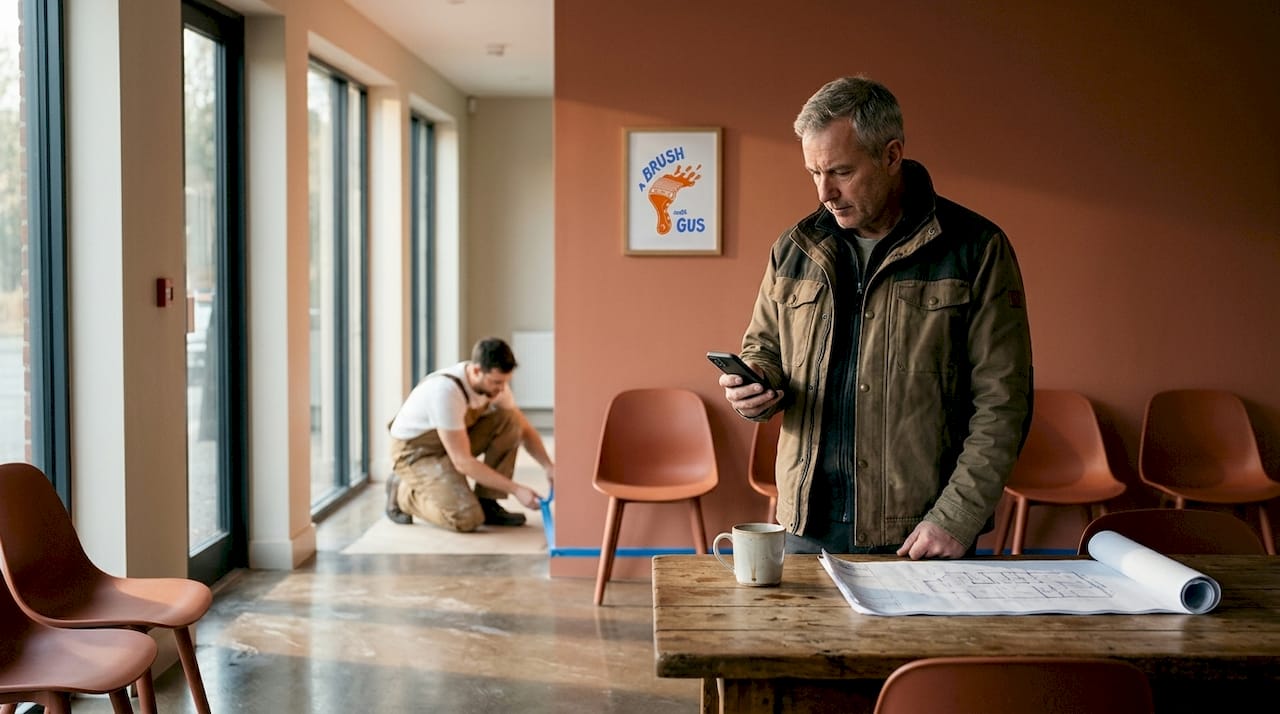
Think about this from a tenant’s perspective. A building with faded signage, streaked exterior walls, and tired common areas communicates that the landlord does not maintain what they own. That perception does not just influence initial leasing decisions. It shapes whether tenants renew.
There are several commercial advantages tied directly to the condition of your paintwork:
Kerb appeal: First impressions are formed within seconds. A clean, well-painted facade communicates competence before anyone steps through the door.
Brand alignment: Many commercial tenants bring their own brand standards. A well-maintained building is easier to align with those standards, making your property more attractive to quality occupants.
Employee morale: Freshly painted, well-lit interior spaces affect workspace quality and the mood of people working in them. This matters to tenants when they are deciding whether to renew a lease.
Energy management: Reflective or insulating specialist coatings can reduce heat absorption through exterior walls, lowering utility costs for occupants. That is a genuine commercial differentiator.
Competitive positioning: In any local market, buildings that look cared for command higher rents and shorter void periods.
The impact of paint colour on business outcomes is often underestimated. Warmer tones in reception areas and common spaces have been shown to create a more welcoming atmosphere, while cooler palettes in office environments support focus. Colour choice is not just about preference. It is part of how the space performs for the people in it.
When to repaint: signs and recommended cycles
One of the most common questions from commercial property managers is not whether to repaint, but when. The answer depends on two things: what you can see and what the schedule tells you.
The visible signs that indicate repainting is overdue are relatively straightforward to spot during a routine inspection:
Peeling or flaking: Paint that is separating from the substrate has lost adhesion. Water will follow.
Chalking: A powdery residue on the surface when you run a hand across it means UV degradation is advanced.
Fading: Significant colour shift, especially on south-facing elevations, signals that the binder is breaking down.
Staining: Biological growth, rust streaks, or efflorescence are signs of underlying issues that repainting alone will not fix without proper preparation.
Cracking: Fine surface cracks are cosmetic. Wide or deep cracks that follow mortar lines or panel joints need investigation before any paint goes on.
Beyond visual inspection, scheduled repainting is the more reliable approach. Environmental exposure accelerates degradation, so a building in a coastal or high-rainfall location will need attention more frequently than one in a sheltered urban setting.
Property type | Recommended repaint cycle |
Exterior masonry (sheltered) | Every 7 to 10 years |
Exterior masonry (exposed/coastal) | Every 5 to 7 years |
Painted metalwork | Every 3 to 5 years |
Interior commercial spaces | Every 5 to 7 years |
High-traffic interior areas | Every 3 to 4 years |
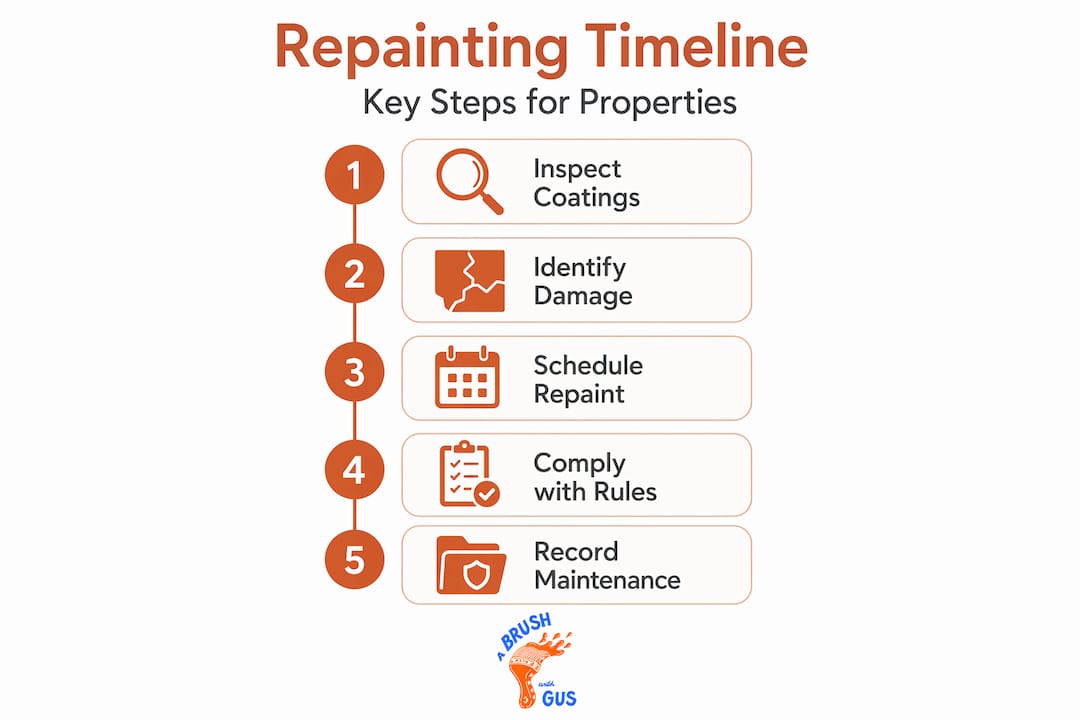
Scheduling regular inspections, ideally twice a year, is the most reliable way to catch deterioration before it escalates. Preventative repainting keeps damage small and repair costs well within budget. You can read more about how this connects to long-term property maintenance in a broader maintenance context.
Regulatory compliance and environmental considerations
Repainting a commercial property is not just a facilities management decision. There are regulatory obligations that apply, particularly around volatile organic compound (VOC) emissions. Getting this wrong creates compliance risk and can result in costly rework.
VOC emissions from paint can significantly affect indoor air quality. Indoor VOC levels can be 2 to 5 times higher than outdoor levels during and after application. In an occupied commercial space, that is a direct health concern for anyone working in or visiting the building. The practical response is to specify low-VOC or zero-VOC coatings wherever work is being done in occupied or partially occupied areas.
Regulations impose limits on VOC content measured in grams per litre, and these limits vary by jurisdiction and coating type. Using non-compliant products risks enforcement action and requires stripping and redoing the work at your own cost. Product data sheets for every coating used should be retained as part of your project documentation.
Detailed records of VOC usage and paint specifications are required for environmental compliance monitoring. This is not bureaucracy for its own sake. It supports any inspection process and demonstrates that you have managed the project responsibly.
Operationally, compliance also means thinking carefully about ventilation, re-occupancy timings, and how work is phased across the building. A useful starting point is reviewing painting safety requirements for businesses before any project begins.
Pro Tip: Request full product data sheets and safety data sheets from your contractor before work starts. If a contractor cannot provide them or is reluctant to discuss VOC compliance, that is a warning sign worth taking seriously.
Planning and executing a commercial repainting project
Knowing why repaint commercial properties matters is one thing. Carrying out the project without disrupting your tenants or operations is where the detail lies. Getting this right comes down to preparation, contractor selection, and sequencing.
When planning a commercial repainting project, these are the factors that determine whether the outcome justifies the investment:
Contractor experience: Choose painters with specific commercial experience who understand staging, ventilation requirements, and regulatory obligations. Residential experience is not the same thing.
Paint specification: Professional-grade coatings with fade resistance and moisture protection extend intervals between repaints and deliver better long-term value than cheaper alternatives. Guidance on choosing paint for businesses is worth reading before you finalise your spec.
Scheduling: Work phases staged off-hours, with isolation of work areas and strict re-occupancy timings, allow repainting to proceed without forcing tenants out.
Surface preparation: No paint system performs well on a poorly prepared surface. Cleaning, filling, and priming are not optional extras. They are what the finish coat relies on.
Cost versus long-term savings: The cost of repainting commercial spaces looks very different when set against the structural repair costs it prevents. Viewed over a 20-year asset life, regular repainting is among the most cost-effective maintenance decisions you can make.
A maintenance plan that includes repainting on a defined schedule removes the guesswork, protects your asset, and makes budgeting predictable.
My honest view on the strategy behind repainting
I’ve spent years working on both residential and commercial painting projects across the South West, and the single most common thing I see with commercial properties is owners treating repainting as something they will get to eventually. It is rarely urgent until it is.
What I have learned is that the owners who get the most out of their assets treat repainting as risk management, not decoration. They schedule it, budget for it, and do not wait for visible failure. The ones who delay are never saving money. They are deferring a cost that is growing while they wait.
I have seen buildings where a straightforward external repaint, caught at the right moment, would have cost a fraction of what the subsequent timber repairs or masonry restoration ended up costing. The maths is not complicated. The problem is that a paint film in early failure does not look expensive. It just looks tired.
My advice is to set a inspection schedule, document what you find, and repaint ahead of failure rather than after. The money you think you are saving by waiting is an illusion. The bill on the other side is always larger.
— Angus
Get a professional assessment for your commercial property
If this article has prompted you to take a closer look at your building’s exterior, the next step is a professional assessment from someone who knows what to look for.

At Abrushwithgus, Gus and Rhys bring hands-on commercial experience to every project in the South West region. From full exterior repaint services to precision airless spraying for smooth, durable finishes on commercial surfaces, the team works around your operational schedule to keep disruption minimal. Every project starts with honest advice on what your building actually needs, not what is easiest to sell. Get in touch with Abrushwithgus today for a no-obligation quote and take the guesswork out of your next repainting programme.
FAQ
Why is repainting commercial properties considered preventative maintenance?
Paint acts as a protective barrier against moisture, UV radiation, and weather damage. Repainting before the coating fails prevents structural deterioration that would cost far more to repair than a timely repaint.
How often should you repaint commercial buildings?
Most commercial exteriors need repainting every 5 to 10 years, depending on exposure and material type. High-traffic interior areas may need attention every 3 to 4 years. Scheduled inspections help you repaint at the right time rather than after damage has occurred.
What are the main signs it is time to repaint a commercial property?
Peeling, chalking, significant fading, biological staining, and surface cracking are all indicators that the existing coating has failed or is close to failing and repainting should be scheduled promptly.
Do VOC regulations apply to commercial repainting projects?
Yes. VOC content limits apply to paint products used in commercial settings, and the specific limits vary by jurisdiction and coating type. Using non-compliant products risks enforcement action and rework costs. Low-VOC or zero-VOC coatings should be specified for occupied or partially occupied spaces.
Does repainting affect the value and marketability of a commercial property?
A well-maintained exterior and interior significantly improve tenant attraction, retention, and leasing success. Fresh paintwork communicates that a property is actively managed, which directly affects how occupants and prospective tenants perceive its quality and value.
Recommended
Comments