
Best types of exterior coatings for your home
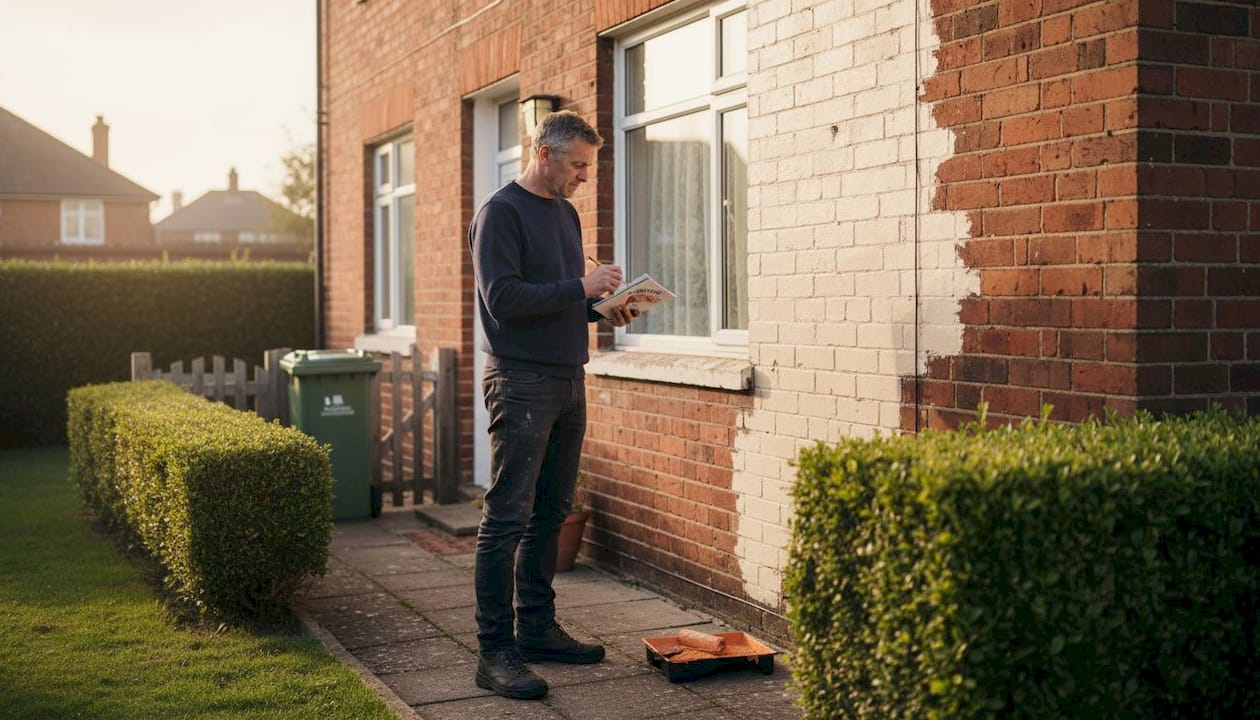
TL;DR:
Silicone renders offer the best rain resistance and longest lifespan for exposed UK homes.
Modern coatings like silicone render can reduce long-term maintenance costs significantly.
Proper application and regular maintenance extend exterior coating performance and protection.
Choosing the right exterior coating for your home is genuinely difficult, especially here in the South West UK. Our region brings relentless Atlantic rain, salt-laden coastal winds, and damp winters that strip lesser coatings within just a few years. Many homeowners pick a product based on price alone, only to find themselves repainting or recoating every five years. There is a smarter way to approach this. This article walks you through the key selection criteria, a clear breakdown of the most popular coating types, and honest performance comparisons, so you can make a decision that protects your home and your budget for the long term.
Table of Contents
Key Takeaways
Point | Details |
Match coating to climate | Choose exterior coatings rated for South West UK’s wet and windy conditions for best results. |
Modern coatings save money | Evidence shows silicone renders outperform traditional systems in durability and overall cost. |
Proper care extends lifespan | Annual cleaning and early maintenance ensure your home’s exterior stays protected for decades. |
Fit coating to property type | Different coatings suit older heritage homes and modern builds; compatibility matters. |
What to consider when choosing an exterior coating
Before you browse products or request quotes, you need a reliable framework for making the right call. The South West’s climate should shape every decision you make here. Coastal properties near Cornwall or Devon face sea spray, high humidity, and strong UV exposure even in winter. Inland homes in Somerset or Dorset still battle persistent damp and frost. No single coating suits every scenario, and what works for your neighbour’s semi may not suit your century-old stone cottage.
Here are the core factors to weigh up:
Weather resistance: How well does the coating repel rain, resist frost, and handle UV exposure? In exposed locations, this is the single biggest factor.
Aesthetics and colour retention: Will it look great for years, or fade and chalk within a season? UV stability varies hugely between products.
Maintenance burden: Some coatings need annual upkeep; others ask almost nothing of you for two decades.
Lifespan: A coating lasting 25 years at higher upfront cost often works out far cheaper than repainting every five years.
Eco-friendliness: Breathable, low-VOC (volatile organic compound) formulations are better for older buildings and the environment.
Compatibility: Older stone or brick properties need coatings that let moisture escape. Trap moisture and you risk spalling and structural damage.
One of the most important principles underpinning any of these decisions involves understanding how protective coating principles balance adhesion, permeability, and surface protection. The same logic applies to masonry as it does to any exterior surface.
The cost-versus-longevity trade-off catches a lot of homeowners out. Cheap masonry paint might cost £300 to apply but need recoating every four years. A silicone render system costs more upfront but silicone render outperforms cement render in both weather protection and total cost over time. That is a critical distinction. Choosing the best finish for your home requires thinking in decades, not seasons.
Pro Tip: Always check the manufacturer’s guarantee period and whether the product carries an independent weather or UV rating before you commit. A product without certified test data is a product making unverified claims.
Five popular types of exterior coatings for homes
Now that you have a framework in place, let’s look at the most common exterior coatings available to UK homeowners and how each one holds up in real-world South West conditions.
1. Masonry paint
Strengths: Affordable, widely available, easy to apply, good colour range.
Best uses: Brick or render surfaces on sheltered properties.
Limitations: Typically needs recoating every four to six years; struggles against prolonged damp or sea spray.
2. Acrylic coatings
Strengths: Flexible, crack-resistant, decent water repellency, good adhesion.
Best uses: Modern homes in semi-exposed locations.
Limitations: Less breathable than silicone; can trap moisture in older stone properties.
3. Silicone renders
Strengths: Outstanding rain resistance, highly breathable, self-cleaning properties, exceptional longevity.
Best uses: Coastal and exposed properties, all modern and many older homes.
Limitations: Higher upfront cost; professional application is essential.
4. Mineral-based renders
Strengths: Extremely breathable, ideal for heritage and traditional stone buildings, very durable.
Best uses: Listed buildings, older properties, or anywhere breathability is critical.
Limitations: Narrower colour palette; typically requires a specialist to apply correctly.
5. Elastomeric coatings
Strengths: Highly flexible, bridges hairline cracks, excellent water resistance.
Best uses: Properties with existing fine cracking on render or masonry.
Limitations: Can retain moisture if surface preparation is inadequate; premium cost.
“Silicone render resists 95% of rain, compared to 60% for cement renders, and remains undamaged in 25-year weather simulations.”
That statistic should genuinely change how you view traditional renders. Cement render has been the default for generations, but the performance gap is stark. Understanding how weather effects on coatings play out in the South West makes silicone renders look less like a luxury and more like the obvious choice for exposed homes.
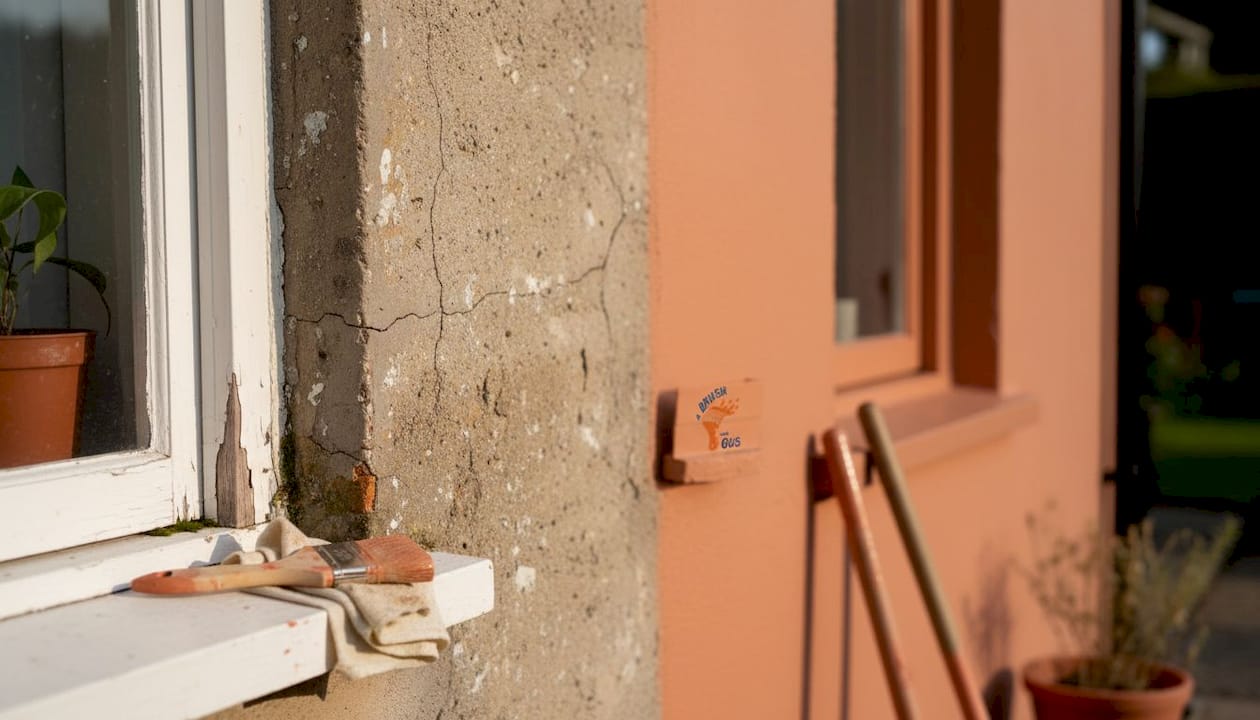
Pro Tip: For homes built before 1920, always check coating compatibility with the original masonry or lime render. A breathable mineral or silicone product is almost always the right call for heritage properties.
Our full guide to exterior painting covers surface preparation in detail, which matters as much as the coating itself.
How the main coating types compare: performance and value
With the key contenders laid out, it is time to see how they actually stack up against each other. For South West homeowners, performance in wet and exposed conditions is the priority, but total cost over time is equally important.
Coating type | Rain resistance | Lifespan (years) | Maintenance burden | Approx. total lifecycle cost |
Masonry paint | Moderate | 4 to 6 | High | £7k to £14k over 20 years |
Acrylic coating | Good | 8 to 12 | Moderate | £7k to £12k over 20 years |
Silicone render | Excellent | 20 to 25+ | Very low | £7k to £11k over 20 years |
Mineral render | Very good | 15 to 20+ | Low | £8k to £12k over 20 years |
Elastomeric coating | Very good | 10 to 15 | Moderate | £8k to £13k over 20 years |
The figures above make one thing very clear. Silicone render’s lifetime total cost is typically less than traditional options even accounting for higher installation costs, coming in at £7k to £11k versus £7k to £14k for standard masonry paint over two decades. After 25 years of simulated weather exposure, silicone render showed no visible degradation, a result no other common coating type can match.
When you are deciding between two similar options, follow these steps:
Define your exposure level. Is the property coastal, elevated, or sheltered? Higher exposure demands higher-performance coatings.
Calculate the total lifecycle cost. Include installation, repainting intervals, and maintenance labour, not just the product price.
Check your wall construction. Solid stone or old brick needs breathable coatings; modern cavity walls have more flexibility.
Request samples and certifications. Ask your installer for independent test data, not just marketing brochures.
Consider timing. Knowing when to repaint your exterior walls is as important as which product you use.
Understanding these steps prevents the most common mistake homeowners make: selecting a coating that looks fine on paper but fails to account for the specific stresses of a South West property.
Which coating is best for your home’s conditions?
Technical comparisons are useful, but your home has its own unique conditions. Here is how to match coating type to property type.
Property type | Recommended coating | Reason |
Coastal or very exposed | Silicone render | Superior rain resistance, self-cleaning |
Older stone or heritage property | Mineral render or breathable silicone | Allows moisture movement, prevents damage |
Modern brick or rendered home | Acrylic or silicone coating | Flexible, durable, cost-effective |
Property with existing cracking | Elastomeric coating | Bridges cracks, prevents water ingress |
Sheltered suburban property | Masonry paint or acrylic | Adequate for lower exposure levels |
Beyond property type, watch for these warning signs that suggest your current coating is no longer doing its job:
Visible cracking, flaking, or bubbling on the surface
Damp patches appearing on interior walls after rain
Efflorescence (white salt deposits) on the masonry face
Colour fading or chalking on painted surfaces
Green or black algae and moss growth
Any one of these signs means your home is vulnerable. Knowing how to recognise signs you need exterior painting for your home can save you from expensive structural repairs down the line.
For high-exposure homes near the coast, silicone renders are not just recommended, they are close to essential. Silicone renders excel not only in rain resistance but also in reduced need for maintenance or repairs over at least two decades in exposed settings. That matters enormously when you are dealing with salt air and Atlantic gales every winter.
For more sheltered inland properties, a high-quality acrylic or even a premium masonry paint may be entirely adequate, particularly if you are committed to maintenance and timely touch-ups. The key is matching the product to the reality of your property’s exposure, not simply choosing the most expensive option available.
Thinking about beauty and protection for your home should go hand in hand. A coating that performs brilliantly but looks flat and dull within two years is not serving your home’s long-term value. Similarly, a beautiful finish that fails structurally after five years is a false economy.
Care and maintenance: extending your exterior’s lifespan
Getting the right coating applied properly is a great first step. Keeping it performing well over the years is the second half of the equation. Maintenance requirements vary widely between coating types, and understanding what each one needs will help you protect your investment.
Lower-maintenance silicone renders can deliver 20 or more years of protection with periodic cleaning rather than frequent repainting. That is a significant advantage. But even silicone is not entirely maintenance-free. All coatings benefit from some level of attention, particularly in the South West’s damp environment where algae and moss colonise surfaces faster than in drier regions.
Here are the key dos and don’ts for maintaining each coating type:
Silicone render:
Do: Clean annually with a low-pressure wash or specialist cleaning solution.
Don’t: Use high-pressure jet washing that can force water behind the render.
Masonry paint:
Do: Inspect annually and apply a maintenance coat or touch-up as needed.
Don’t: Wait until the surface is visibly peeling before recoating; act at the first sign of deterioration.
Mineral render:
Do: Check for hairline cracks each spring and seal immediately.
Don’t: Use harsh chemical cleaners that can break down the mineral binder.
Acrylic and elastomeric coatings:
Do: Clean off biological growth (moss, algae) as soon as it appears.
Don’t: Allow cracks to develop without repair; the flexibility of these coatings relies on a continuous film.
Good maintenance practices follow principles similar to those used in longevity maintenance for other coated surfaces: clean regularly, inspect for damage, and address small issues before they become large ones.
Pro Tip: Schedule your annual inspection in early October, before winter sets in. Catching a small crack or patch of failing paint now is far cheaper than dealing with water ingress after three months of rain. Our best cleaning tips page covers what products and methods work best for South West conditions.
Cleaning and care are genuine value multipliers for high-performance coatings. A silicone render that is cleaned annually will still look sharp and perform well at year 20. One that is ignored can develop biological growth and surface staining that, while not structurally damaging, detracts significantly from your home’s appearance.
Our perspective: why modern coatings change the game
Here is our honest view, having seen hundreds of South West homes through our work at A Brush With Gus. Most homeowners who choose cement render or budget masonry paint are not doing so because those products perform better. They are doing so because those products are familiar. Familiarity is a powerful force, and it costs a lot of people money over time.
We consistently see homes that look tired and weather-beaten within five years of a traditional repaint. We also see homes finished in modern silicone render that still look sharp after 15 years with nothing more than a good clean. The difference is not subtle. Evidence shows silicone render reduces maintenance cycles and overall cost without sacrificing visual appeal or protection. That should be the industry standard for exposed UK properties. Yet many homeowners and even some contractors still default to cheaper, older systems.
The mindset shift we encourage is straightforward: treat your exterior coating as a long-term infrastructure investment, not a cosmetic fix that you revisit every few years. Compare options on traditional vs modern finishes and you will see the gap clearly. The upfront cost of modern coatings is often recovered within the first repaint cycle you avoid. After that, you are simply ahead.
Get expert help with your exterior coating project
Ready to make your home’s exterior stand out and last for decades? Choosing the right coating is only half the battle. Professional application makes the difference between a product performing to its rated lifespan and failing prematurely due to poor surface preparation or incorrect mixing ratios.

At A Brush With Gus, Gus and Rhys and their team provide professional exterior home services across the South West, from initial inspection through to the final coat. Whether you need silicone rendering, masonry painting, or specialist UPVC spraying services, we work with you to choose the best solution for your property’s exposure and your budget. Our domestic property solutions cover everything from small maintenance jobs to full exterior transformations. Get in touch for a no-obligation quote today.
Frequently asked questions
Which exterior coating lasts the longest in the South West UK climate?
Silicone render typically lasts over 20 years and outperforms traditional renders in UK weather simulations, making it the strongest long-term choice for exposed South West properties.
How often does silicone render need repainting or maintenance?
Silicone render rarely needs repainting and requires only periodic cleaning. Its 20-year total cost is lower than traditional systems precisely because it avoids frequent maintenance cycles.
Are modern silicone-based coatings more expensive than traditional options?
Silicone renders cost more upfront, but their lifecycle cost of £7k to £11k over 20 years is lower than traditional systems running to £7k to £14k once repaints are included.
Can I use modern coatings on older or heritage homes?
Yes, but compatibility matters. Mineral renders and breathable silicone formulations work well on older stone properties, but you should always consult a specialist before applying any modern coating to a heritage building.
What’s the best way to maintain exterior coatings for longevity?
Clean your coating annually and carry out a thorough inspection before winter. Addressing small issues early prevents costly repairs and ensures your coating delivers its full projected lifespan.
Recommended
Comments