
What is decorative painting? Transform your home with expert tips
TL;DR:
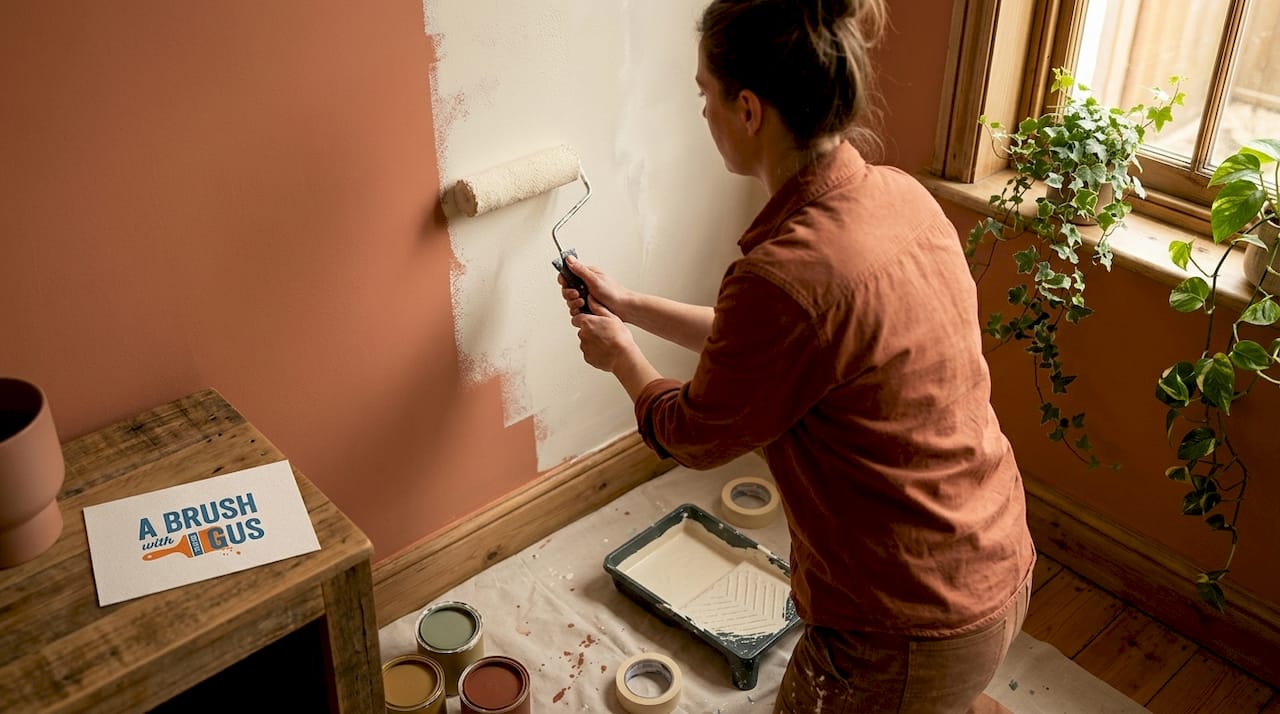
Decorative painting goes beyond plain walls, creating unique textures, moods, or stories inside homes. Techniques like limewash, Venetian plaster, colour drenching, and murals enhance durability, value, and personal expression. Proper preparation, flexibility, and professional help ensure long-lasting, striking results that can be easily updated or changed.
Decorative painting is one of those subjects that homeowners either assume is reserved for grand Georgian townhouses or dismiss as unnecessary fuss. Neither view is accurate. Across the South West, from compact terraced homes in Exeter to coastal cottages in Cornwall, decorative paint techniques are quietly revolutionising how people think about their walls. This guide strips back the mystery, explains what decorative painting actually involves, and gives you a practical framework for using it confidently in your own home, whether you go it alone or bring in a professional.
Table of Contents
Key Takeaways
Point | Details |
Not just for show homes | Decorative painting is a practical and stylish option any homeowner can benefit from. |
Trends focus on texture | Techniques like limewash, plaster, and colour drenching lead the way in 2026. |
Adds lasting value | Quality decorative painting can boost property value and outlast traditional wallpaper. |
Preparation is essential | Good surface prep and premium paints ensure lasting performance and beauty. |
What is decorative painting?
Decorative painting refers to any paint application that goes beyond a flat, single coat of plain colour on a wall. The goal shifts from simple coverage to creating a visual impression, a texture, a mood, or even a story. Think of it as the difference between putting on a plain white shirt and choosing a tailored jacket in a striking fabric. Both serve a purpose, but one makes a far stronger statement.
The main categories you will encounter include:
Faux finishes: Techniques that mimic other materials, such as marble, stone, or aged plaster
Limewash and Venetian plaster: Layered, chalky or smooth finishes with real depth and movement
Texture painting: Applying paint in ways that create a tactile, three-dimensional surface
Colour drenching: Painting walls, woodwork, and ceiling in a single bold shade for an enveloping effect
Stencilling: Using cut templates to apply repeating or one-off patterns
Mural work: Hand-painted artwork directly onto a surface, from subtle botanicals to full-scale scenes
What separates decorative painting from ordinary painting is not just appearance; it is technique, layering, and intention. A standard coat of emulsion is applied to protect and refresh. A decorative finish is applied to transform.
Durability and quality still matter enormously here. Premium paints last longer with better coverage, typically around 10 square metres per litre, and proper preparation ensures finishes that endure five to ten or more years. Understanding which interior paint types suit which technique is part of getting the result you actually want.
“The aim of decorative painting is not decoration for its own sake. It is about giving a room a personality it would not otherwise have.”
If you are newer to this world and want a broader context, our complete guide to interior decorating for South West UK homes is a good starting point before diving into the specifics.
Popular decorative painting techniques for UK homes
With a clear understanding of what decorative painting is, we can now explore the standout techniques making waves in UK interiors.
Limewash walls are surging in popularity in 2026, alongside textured plaster effects and the bold confidence of colour drenching. These are not fleeting fads. They represent a genuine shift in how homeowners think about walls as a design element rather than a backdrop.
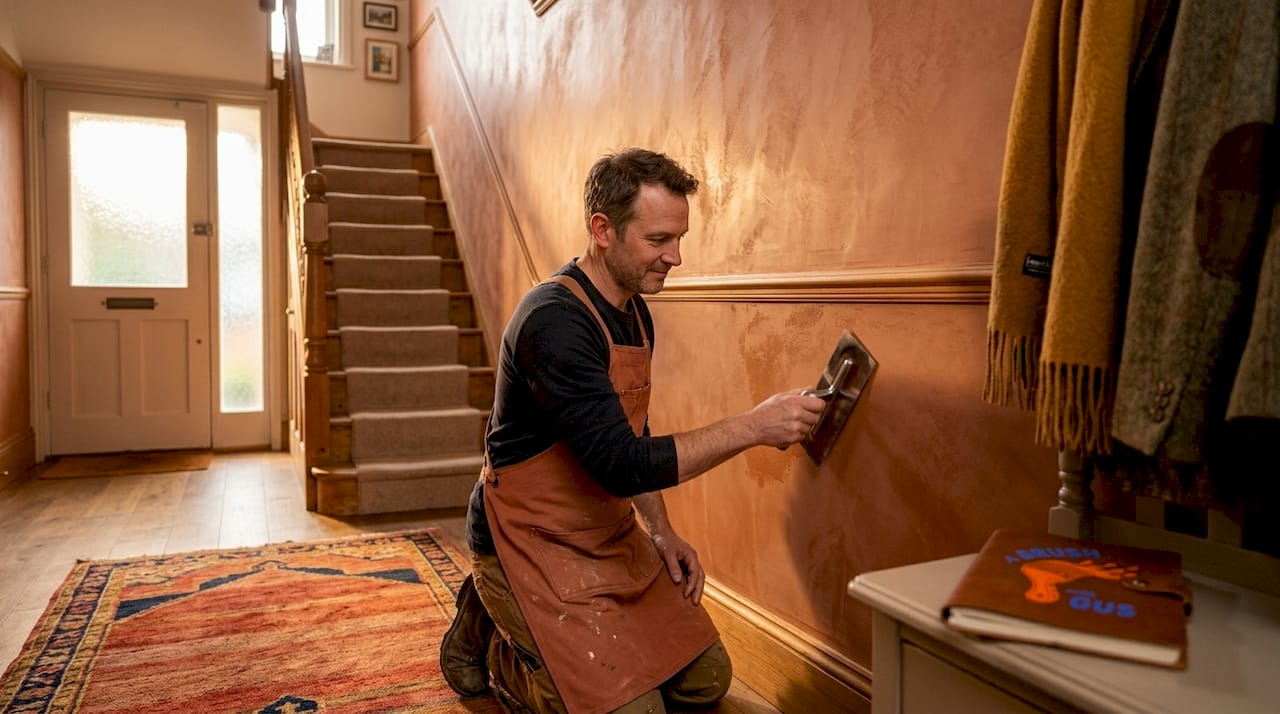
Limewash and Venetian plaster are perhaps the most talked-about techniques right now. Limewash paint is applied in thin layers, then partially wiped back, creating a soft, cloudy depth that changes with the light throughout the day. Venetian plaster is burnished with a steel trowel to produce a smooth, lustrous surface that genuinely resembles polished stone. Both techniques add warmth and character that flat paint simply cannot replicate.
Colour drenching takes a single shade and applies it everywhere: walls, skirting boards, door frames, ceiling, and all. The effect is surprisingly sophisticated. Rather than making a room feel smaller, it creates a sense of immersive calm or drama depending on your chosen colour. Deep forest greens, warm terracottas, and dusty blues all work exceptionally well in this treatment.
Stencilling gives homeowners an accessible route into pattern without the commitment of wallpaper. You choose a template, position it on the wall, and apply paint through it. The patterns can be subtle, such as a soft geometric repeat, or bold, such as a large-scale botanical print covering an entire chimney breast.
Mural work ranges from a hand-painted climbing plant trailing up a hallway wall to a full landscape on a child’s bedroom ceiling. This is where a skilled decorator’s artistry becomes genuinely irreplaceable.
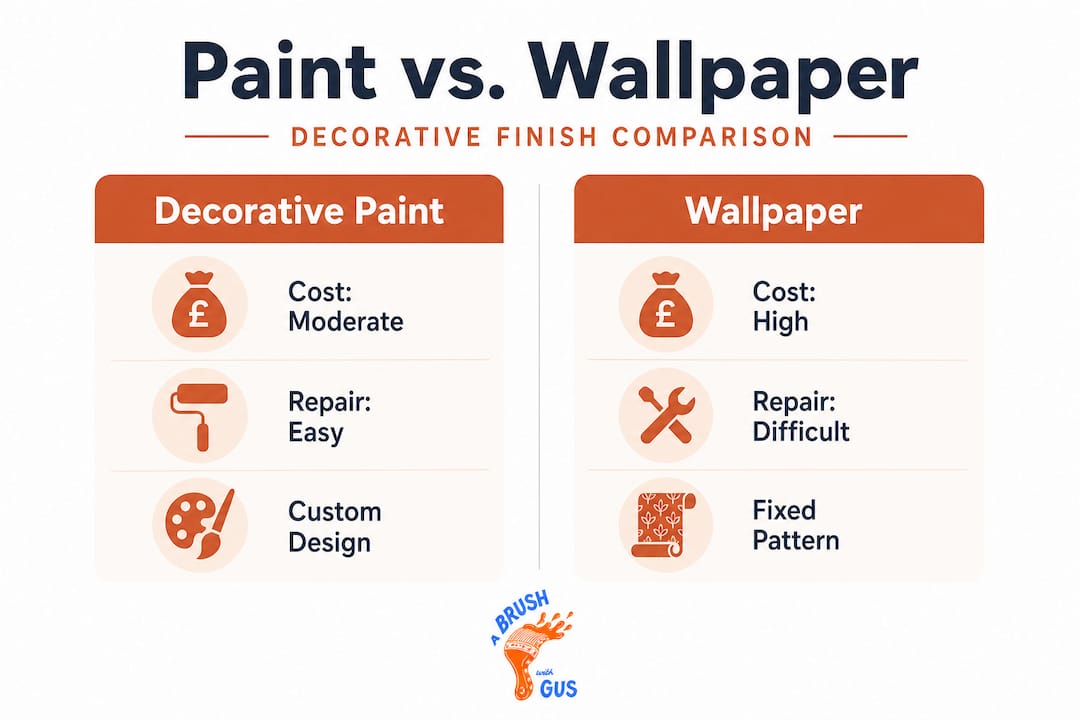
Here is a quick comparison to help you weigh decorative painting against wallpaper:
Feature | Decorative painting | Wallpaper |
Initial cost | Moderate | Moderate to high |
Repair ease | Simple touch-ups | Difficult to match patterns |
Flexibility | Easy to update | Requires stripping and prep |
Lifespan | 5 to 10+ years | 5 to 8 years typically |
Texture variety | Wide | Wide but fixed |
DIY difficulty | Variable by technique | Moderate to high |
Pro Tip: Always test paint samples directly on your wall and live with them for at least 48 hours before committing. Colours shift significantly depending on your room’s natural light, and textures look entirely different on a vertical surface compared to a paint chip or a screen.
Before deciding on any finish, it helps to properly understand how to choose the right paint finish for your specific space, as sheen levels interact with texture techniques in important ways.
The benefits and value of decorative painting
Understanding these techniques’ creativity, let’s see how they translate into practical value and tangible benefits for your home.
The most immediate benefit is visual. A well-executed decorative finish transforms a room in a way that new furniture or soft furnishings rarely achieve on their own. But beyond aesthetics, there are solid financial and practical reasons to invest.
Property value and buyer appeal are real considerations. Estate agents in the South West consistently report that well-presented interiors command stronger offers and shorter selling times. A thoughtfully decorated space signals that a home has been cared for. Decorative finishes, when done properly, read as quality rather than gimmick. Our guide on how to boost home value through painting explores this in more detail.
Longevity is another compelling argument. Wallpaper, however beautiful, is vulnerable to moisture, peeling at seams, and colour fading. A properly applied and sealed decorative paint finish is far more resilient. Industry rates rose 4.1% to Q1 2026, which means investing now in quality work locks in value before further price increases.
The key benefits, summarised:
Durability: Quality paints on well-prepared surfaces last five to ten years or longer
Easy updates: A fresh layer can be applied over most finishes without full stripping
Personalisation: Endless combinations of colour, texture, and pattern
Moisture resistance: Specialist paints are available for bathrooms and kitchens
Increased saleability: Professionally finished interiors attract stronger buyer interest
Worth knowing: Premium coverage paints at roughly 10 square metres per litre mean less product is needed for better results, making the cost-per-year comparison with wallpaper very favourable.
To understand the full financial picture, it is worth reading about painting in renovation projects and how painters add real value beyond what most homeowners initially expect.
How to achieve the best results: Preparation and maintenance
Now that we have outlined why decorative painting is a smart choice, let us ensure you get the best and longest-lasting results.
The single biggest mistake homeowners make with decorative painting is skipping or rushing preparation. It feels counterintuitive to spend hours on something nobody will ever see, but your walls are the canvas. A poorly prepared surface will cause even the most expensive paint to peel, crack, or look uneven within months.
Here is the correct order of preparation steps:
Clean the surface thoroughly: Remove grease, dust, and any mould with appropriate cleaning solutions. Kitchens and bathrooms particularly need a sugar soap wash.
Fill all cracks and holes: Use a fine surface filler, allow it to dry fully, and sand smooth. Even hairline cracks show through decorative finishes.
Sand the entire surface: A light sand with fine-grade paper creates a key for the paint to grip. Do not skip this on previously painted or glossy surfaces.
Apply a suitable primer: Primer seals the surface, ensures even absorption, and extends the life of your topcoat. For darker decorative colours or speciality finishes, a tinted primer makes a significant difference.
Allow adequate drying time between coats: Rushing this stage causes layers to lift or blend in ways that ruin the finished effect.
Proper preparation ensures five to ten or more years of durability from your decorative finish. Premium paints require a properly prepared surface to perform as their manufacturers intend.
Pro Tip: When tackling a texture technique like limewash or colour drenching for the first time, practise on a large piece of lining paper pinned to a board before touching your wall. You will gain confidence with the motion and see exactly how the product behaves.
Maintenance is refreshingly straightforward once a decorative finish is properly cured. Most painted surfaces can be wiped clean with a damp cloth. Periodic touch-ups, perhaps every two or three years in high-traffic areas, keep the finish looking fresh. This is far simpler than re-hanging wallpaper, where matching a discontinued pattern is notoriously difficult.
DIY versus professional help: Many stencilling and colour-drenching projects are within a competent DIYer’s reach. Venetian plaster, complex faux finishes, and large mural work are generally best left to experienced decorators. The cost of correcting a poorly executed Venetian plaster finish often exceeds the original professional quote. Our wall painting prep tips and professional painting techniques resources help you make that call with confidence.
“A professional finish is not just about skill with a brush. It is about knowing which step to take next and why every single time.”
Why decorative painting offers more freedom than ever in 2026
Here is a view that runs counter to what most decorating articles will tell you: decorative painting is not a commitment. That perception has held homeowners back for years, the idea that choosing a texture or a bold colour means being locked in. In reality, the opposite is true.
Today’s paints are formulated to be more workable, more forgiving, and more compatible with the surfaces found in typical South West UK homes than at any point in the past. Limewash, for example, can be applied over existing emulsion with the right preparation. Colour drenching can be updated in a weekend. Stencilled patterns can be painted over when your taste evolves.
The concept of walls as art is reshaping how people approach their living spaces in 2026, and it is a genuinely liberating idea. Your walls do not need to be permanent. They can reflect where you are right now: your favourite colour this season, the texture that caught your eye in a magazine, the mural that makes your child’s room feel magical.
Wallpaper locked people into a fixed decision because changing it was so laborious. Decorative paint removes that anxiety. You can experiment, and if the result does not suit you, it can be changed without a full redecoration. That flexibility is something wallpaper simply cannot match.
We would also push back gently on the idea that decorative painting is only for those with artistic confidence. Techniques like colour drenching require no special skill whatsoever. A steady hand, proper masking, and quality paint are genuinely all you need. Stencilling is similarly accessible. The more complex work can always be handed to a professional for the sections where precision really counts.
Our flexible interior decorating guide for South West homes reinforces this point with practical examples from local properties.
The broader lesson here is that 2026 is an excellent moment to experiment. Materials are better, information is more accessible, and the design permission to make your walls genuinely interesting has never been stronger.
Ready to transform your home?
If this guide has sparked some ideas, whether you are imagining a limewash feature wall in your living room or a full colour-drenched kitchen, the next step does not have to be complicated.
At A Brush With Gus, Gus and Rhys work with homeowners across the South West to bring decorative painting projects to life, from initial colour consultation through to a flawless final finish. Whether you are looking for help with your domestic painting project, a complete exterior home painting refresh, or want to explore the smooth, even results that professional spraying delivers, the team is ready to help. Get in touch for a no-obligation quote and see what your home could look like with the right hands behind the brush.
Frequently asked questions
Is decorative painting more expensive than wallpapering?
Often decorative painting is comparable to or less expensive than high-end wallpaper, and it is considerably easier to repair or update later. As noted by interior trends in 2026, decorative paint is more flexible and durable than wallpaper over the long term.
How long do decorative paint finishes last?
With thorough surface preparation and quality paints, decorative finishes typically last five to ten years or more, making them a sound long-term investment for your home.
Can I do decorative painting myself or should I hire a professional?
Many techniques such as colour drenching and stencilling are DIY-friendly with the right preparation, but complex finishes like Venetian plaster or large-scale murals are best handled by a professional to ensure an even, durable result.
What are the top trends in decorative painting for 2026?
Textures like limewash and plaster alongside bold colour drenching are leading the trends this year, reflecting a broader shift towards walls that are immersive, tactile, and highly personal.
Recommended
Comments