
How to clean exterior walls for a spotless home
TL;DR:
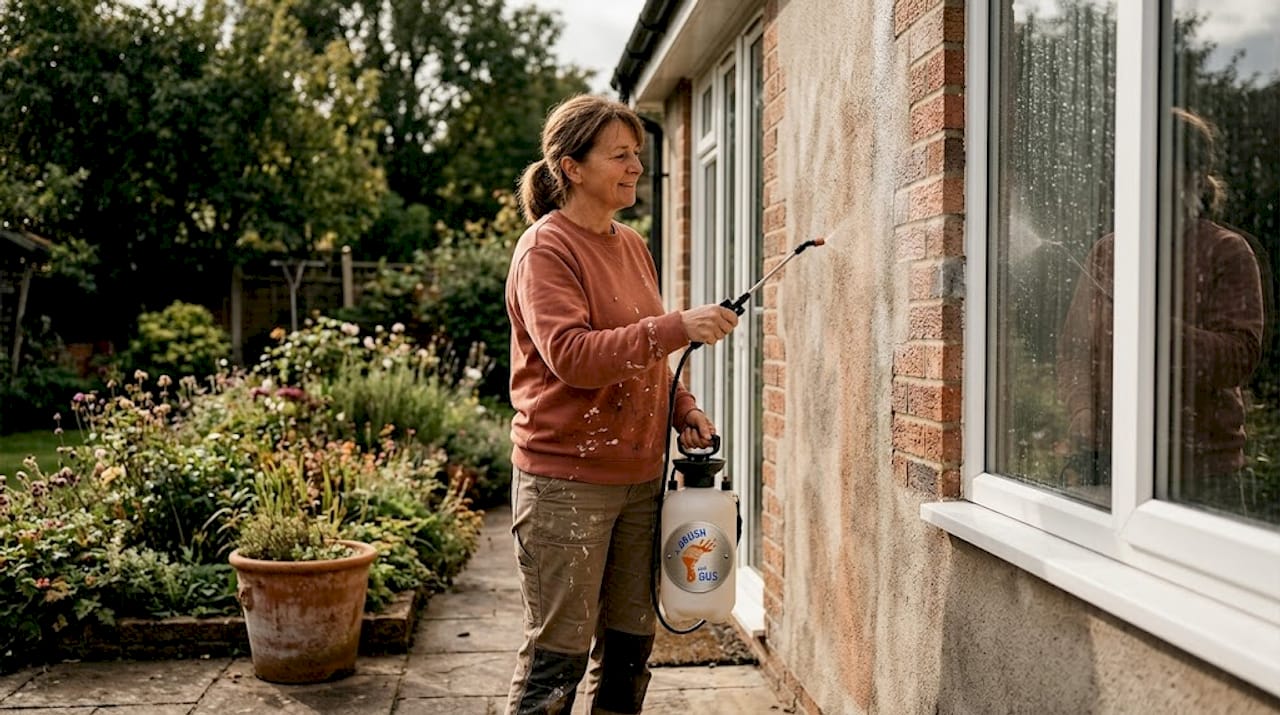
Proper soft washing with biocidal solutions effectively restores and protects exterior walls.
Overcast, dry days above 5°C are ideal conditions for cleaning UK walls.
Professional cleaning is recommended for high, difficult, or heavily stained properties to ensure safety and quality.
Dirty exterior walls are one of the most common complaints we hear from homeowners across the South West. Green algae creeping up the render, dark pollution stains around the eaves, or that general grey film that makes a well-kept home look tired and unloved. The problem is almost always worse than it looks, because grime at the surface can mean deeper damage underneath. The good news is that the right cleaning method, done properly and at the right time of year, can restore your walls completely, protect your property, and add genuine kerb appeal without costing a fortune.
Table of Contents
Key Takeaways
Point | Details |
Choose soft washing | For UK render and brick walls, soft washing with low pressure and biocide is safest and most effective. |
Optimal weather matters | Clean in spring or autumn when it’s cool and dry for best results and minimal regrowth. |
Preparation prevents issues | Cover plants, check electrics, and use the right chemicals to avoid damage and maximise cleanliness. |
Aftercare extends results | A post-clean biocide slows algae and mould, keeping your home looking fresh for longer. |
Know when to call experts | For tricky jobs or persistent stains, professional help saves time and can prevent costly mistakes. |
Why exterior walls get dirty and why it matters
Exterior walls in the South West face a particularly tough time. The region’s damp, mild climate creates near-perfect conditions for biological growth, and most walls see a combination of problems building up over the years.
The most common types of soiling include:
Algae and green mould — thrives in damp, shaded areas and spreads quickly across render and brick
Lichen — a tougher organism that bonds to surfaces and requires specialist treatment to remove
Air pollution and traffic film — a grey or brown haze that settles on exposed walls near roads
Mildew — white or grey powdery patches, often found on north-facing walls
Garden debris and splashback — mud, moss, and leaf stains gathering at ground level
Neglect is the real enemy here. What begins as a faint green tinge can, within a season or two, become heavy colonisation that holds moisture against the wall surface. That trapped moisture accelerates the breakdown of paint, render, and mortar. You can explore the reasons for wall maintenance in more detail, but the short version is this: dirty walls cost you more in the long run.
“Soft washing is the primary recommended method for cleaning exterior walls in the UK, especially render, brick, and cladding, using low-pressure water combined with biocidal cleaners to kill algae, mould, and lichen at the root without damaging surfaces.”
Kerb appeal matters beyond pride of ownership. A property that looks well maintained holds its value and attracts better buyers if you ever come to sell. Regular, correct cleaning is genuinely one of the most cost-effective things a homeowner can do.
Essential tools and materials for cleaning exterior walls
Once you know why cleaning matters, you will need to gather the proper kit to get the job done safely and thoroughly. Cutting corners on equipment is where most DIY attempts go wrong.
What you will need
Item | Purpose | Notes |
Soft wash sprayer | Low-pressure application of biocide | Garden pump sprayer or dedicated unit |
Biocidal cleaner | Kills algae, lichen, mould at root | Choose a proprietary dilutable formula |
PPE (gloves, goggles, overalls) | Personal protection from chemicals | Non-negotiable for safe application |
Plastic sheeting and tape | Protects plants, furniture, electrics | Cover all nearby outdoor sockets |
Garden hose with adjustable nozzle | Pre-wetting and rinsing | Keep pressure as low as possible |
Extension lance | Reach higher sections safely | Reduces ladder use |
Stiff bristle brush (soft) | Light agitation on stubborn patches | Avoid wire brushes on render |
High-pressure jet washing is frequently the first thing people reach for, and it is almost always the wrong choice for UK properties. Render, brick, and mortar are porous materials. Blasting them with high pressure forces water deep into the wall, strips pointing, and can dislodge render sections entirely. It also does nothing to kill the organism at the root, so regrowth reappears within weeks.
Choosing the right biocidal solution is equally important. Look for products containing sodium hypochlorite (typically a 1 to 6% dilution for wall cleaning) or quaternary ammonium compounds, which are widely available from builders’ merchants. Always read the label and follow dilution ratios carefully.
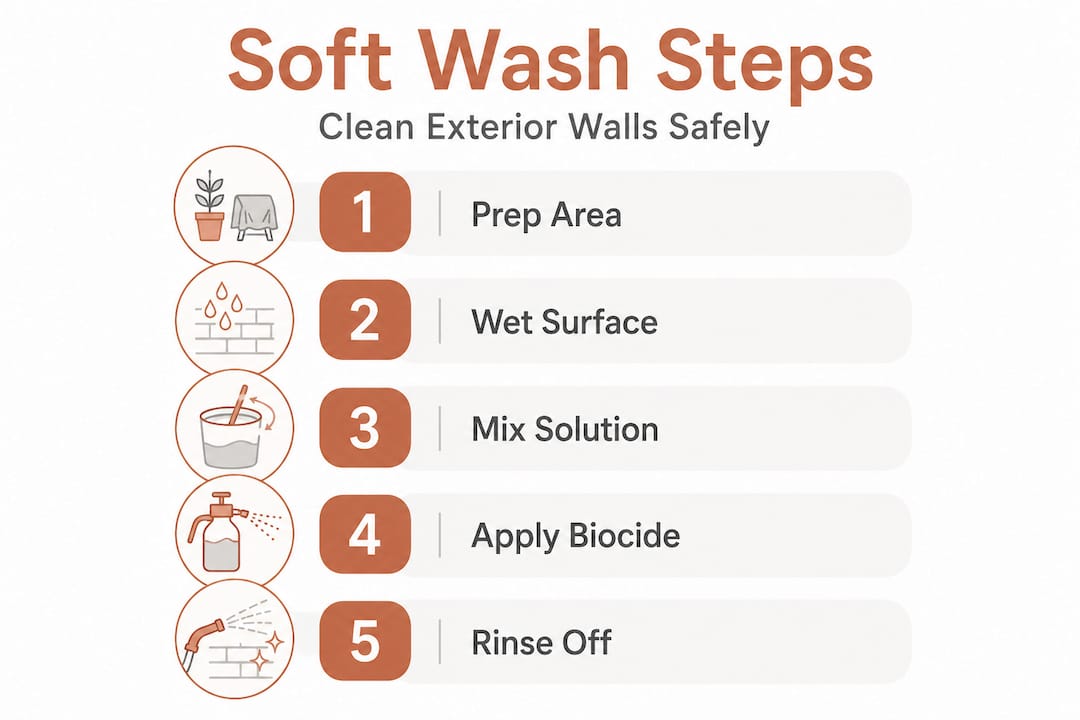
The soft wash step-by-step process involves preparing first, pre-wetting areas, mixing the biocide correctly, applying bottom-to-top, allowing a dwell time of 10 to 30 minutes, rinsing top-to-bottom, and then applying a final biocide coat for prevention. That order matters and is worth writing down before you start.
When protecting fixtures and landscaping during any chemical application, pay particular attention to UPVC window frames, downpipes, and any outdoor electrical fittings. Cover these before you begin, not halfway through.
Pro Tip: Fill a small spray bottle with clean water and label it clearly before you start. If biocide contacts your skin or eyes, you want immediate access to a rinse, not a frantic search for the garden tap.
How to soft wash exterior walls: Step-by-step instructions
With everything set up, here is the exact process experts recommend for cleaning your exterior walls. Follow each step in sequence and do not rush the dwell time stage.
Inspect the wall surface. Look for cracks, loose render, or damaged pointing. Do not proceed over any areas where water could penetrate into the wall cavity. Repair first.
Cover plants, garden furniture, and electrics. Use plastic sheeting and tape to protect everything at ground level and around windows.
Pre-wet the surrounding area. Wet nearby plants and paving before you apply any chemicals. This dilutes any overspray that lands off-target.
Mix your biocidal cleaner. Follow the manufacturer’s instructions for dilution. A typical starting point for sodium hypochlorite is 1 to 5% concentration for soft washing exterior walls.
Apply the biocide bottom-to-top. This prevents streaking. Work in manageable sections and keep the coverage even.
Allow the dwell time. Leave the solution on the wall for 10 to 30 minutes. You will see the algae and mould begin to change colour and die off. Do not let the solution dry out on the surface during this stage.
Rinse thoroughly, top-to-bottom. Use a garden hose on a gentle setting. Low-pressure rinsing prevents driving debris or chemical residue into the wall.
Check for remaining patches. Allow the wall to dry and inspect in good daylight. Stubborn lichen may require a second application.
Apply a final preventive biocide coat. This is the step most people skip, and it is the one that makes results last.
Timing your clean for best results
Condition | Recommended | To avoid |
Temperature | Above 5°C | Freezing or very hot days |
Weather | Overcast and dry | Rain within 4 to 6 hours |
Season | Spring or autumn | Midsummer direct sun |
Wind | Calm | Strong winds (chemical drift) |
Optimal cleaning conditions for UK exteriors are overcast, dry days above 5°C, with no rain expected for at least four to six hours after rinsing. Spring and autumn are consistently the best windows for this work in the South West.
UK weather and cleaning go hand in hand. A warm, sunny day might seem ideal, but direct sun causes the biocide to evaporate too quickly, reducing dwell time and effectiveness. Overcast conditions let the solution work properly before the rinse.
“Applying biocide in direct sunlight shortens dwell time significantly. The solution needs time to penetrate and kill biological growth at the root, not just at the surface.”
Common mistakes to avoid: using too much water pressure on the rinse, skipping the dwell stage entirely, applying the solution in the wrong direction (top-to-bottom instead of bottom-to-top during application), and neglecting to pre-wet nearby plants. Each of these errors either damages the wall or produces a patchy finish that fades within weeks.
For tips on enhancing kerb appeal after a thorough clean, it is worth considering whether your walls could benefit from a fresh coat of exterior masonry paint once dry. A clean surface is the ideal base for any finishing work.
If at any point the scale of the job feels beyond what a garden sprayer can handle safely, it is sensible to contact professional cleaning services rather than risk personal injury or wall damage.
Pro Tip: Tackle the wall in two-metre-wide sections, completing the full cycle (apply, dwell, rinse) on each section before moving on. This prevents the biocide from drying out on the first section while you are still working on the last.
Aftercare and preventing regrowth on exterior walls
With clean walls restored, it is important to keep them that way and avoid redoing the full process too soon. Aftercare is where most homeowners lose the gains they have worked hard to achieve.
How long you can expect your walls to stay clean depends on several factors: the type of surface, the aspect of the wall, proximity to trees or hedges, and whether a post-clean biocide was applied. A well-executed soft wash with a final preventive treatment typically keeps walls looking fresh for one to two years in South West conditions.
Key aftercare steps to build into your routine:
Final biocide application — as outlined in the soft washing process, always finish with a light preventive coat to slow biological regrowth
Annual visual inspection — walk the perimeter of your property each spring and look for early signs of green or grey patches returning
Gentle annual rinse — a low-pressure hose-down each year removes loose debris before it can hold moisture against the wall
Trim hedges and trees — overhanging branches and dense shrubs create shaded, damp conditions that accelerate algae growth
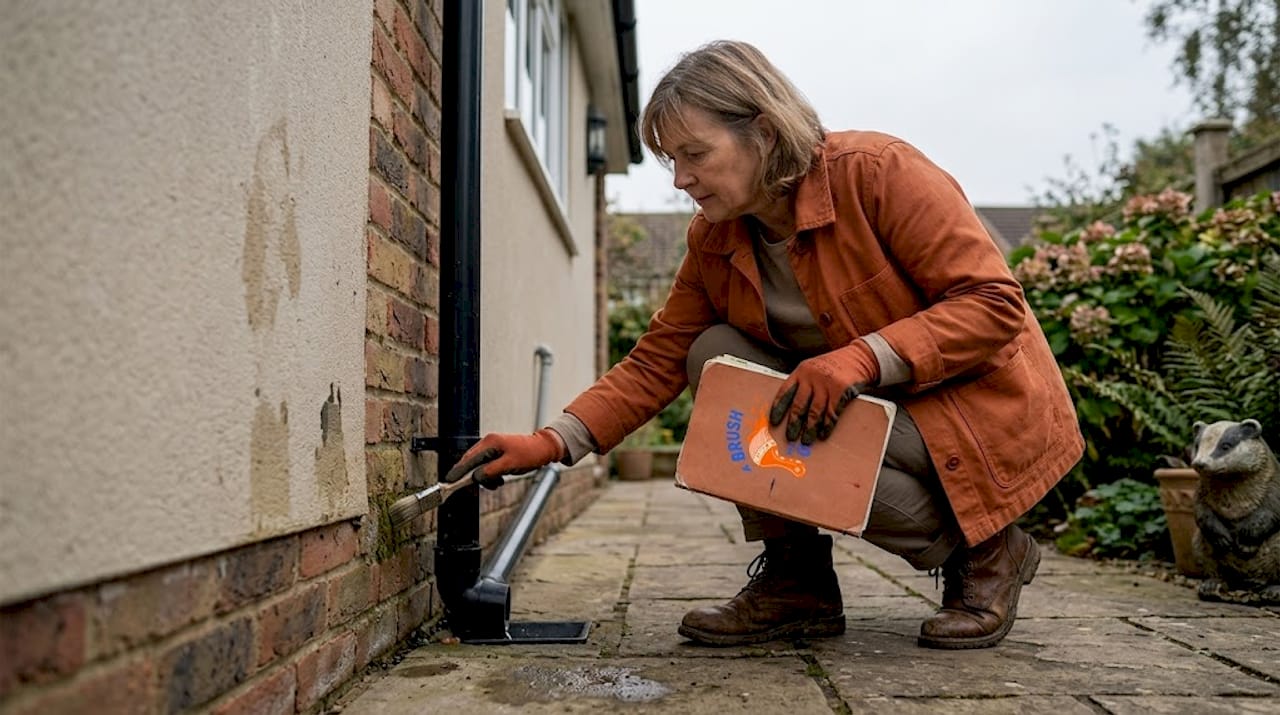
Check gutters and downpipes — overflowing or leaking gutters deposit moisture repeatedly over the same wall section, creating persistent staining
If you notice small patches of green returning sooner than expected, a spot application of diluted biocide on the affected area can arrest the problem before it spreads. Do not wait until the whole wall is covered again before acting. Quick, small interventions are far less effort than a full repeat clean.
Pro Tip: After each winter, check north-facing and heavily shaded walls first. These faces of the property receive the least sunlight and therefore harbour moisture the longest, making them the first to show regrowth.
For ongoing exterior maintenance support, it can be worth establishing a relationship with a local professional who can schedule periodic check-ins alongside any painting or decorating work you might need.
The reality of DIY vs professional wall cleaning in the South West
You might be weighing up whether to tackle cleaning yourself or to call in the experts. Here is what really matters from a South West homeowner and professional’s view.
DIY soft washing absolutely can produce good results. The process is straightforward in theory, the chemicals are widely available, and for a single-storey property with moderate soiling, a confident homeowner can achieve a genuinely satisfying finish. We are not going to pretend otherwise.
But in practice, several things catch people out. Access to first and second floor walls requires either scaffolding, a hired extension lance, or working from a ladder, all of which carry real risk, especially on uneven ground or older properties with awkward layouts. The biocidal chemicals involved are corrosive and need careful handling. And the South West’s famously changeable weather means a job started on a promising morning can be interrupted by rain before the dwell time is complete, leaving half-treated walls that look worse than before.
The clients who come to us after a DIY attempt most commonly report the same issues: patchy results where the biocide dried too quickly, streaking from working top-to-bottom during application, and chemical damage to nearby plants or UPVC from insufficient masking. Fixing those problems often costs more than the original professional quote would have.
For properties with awkward access, listed status, heavy lichen colonisation, or walls that need attention above the first floor, the case for calling in professionals is very strong. Professional wall cleaning teams bring the right equipment, the correct dilutions, local knowledge of how South West surfaces behave, and the experience to spot underlying problems before they become expensive repairs. The speed advantage alone is considerable: a job that might take a homeowner a full weekend, including drying time and a second pass, can be completed professionally in a few hours with better results.
The honest advice is this: assess the scale, the height, and the severity honestly before you start. A single-storey wall with light algae growth is a reasonable DIY project. A two-storey property with heavy lichen and staining is one where professional help is genuinely cheaper when you factor in everything.
Professional help for spotless, protected exterior walls
If you would rather skip the worry and guarantee excellent results, handing your wall cleaning to proven local professionals is the most reliable route. At A Brush With Gus, Gus and Rhys bring years of hands-on South West experience to every exterior cleaning project, using the right equipment and biocidal solutions for your specific wall type.

Our wall cleaning services cover everything from light annual maintenance washes to heavy lichen removal on older rendered properties. We are a family business, so you will always speak to someone who actually does the work rather than a call centre. We also offer complete exterior care packages that combine cleaning with masonry painting or UPVC spraying, giving you a truly refreshed exterior in a single visit. Get in touch today for a no-obligation quote and straightforward advice on what your property actually needs.
Frequently asked questions
What is soft washing and why is it recommended for UK walls?
Soft washing uses low-pressure water (40-150 PSI) combined with biocidal cleaners to remove algae, mould, and lichen at the root without damaging render, brick, or cladding surfaces.
When is the best time of year to clean exterior walls in the UK?
Spring and autumn on overcast, dry days above 5°C are ideal, as cooler temperatures allow proper biocide dwell time and reduce the risk of the solution drying too quickly.
How long do soft-washed walls stay clean?
With a post-clean biocide treatment applied at the end of the process, most UK exterior walls remain fresh for one to two years before significant regrowth appears.
Is high-pressure jet washing safe for exterior walls?
No. High-pressure washing can crack render, erode mortar, and force water into the wall structure. Soft washing at low pressure is the recommended approach for all common UK wall types.
What should I do if the walls look patchy after cleaning?
Allow the surface to dry fully, then identify whether patchy areas show remaining biological growth or simple streaking. A diluted biocide reapplication followed by a gentle rinse usually resolves both issues without needing to redo the entire wall.
Recommended
Comments