
Fresh interior painting ideas for South West UK homes
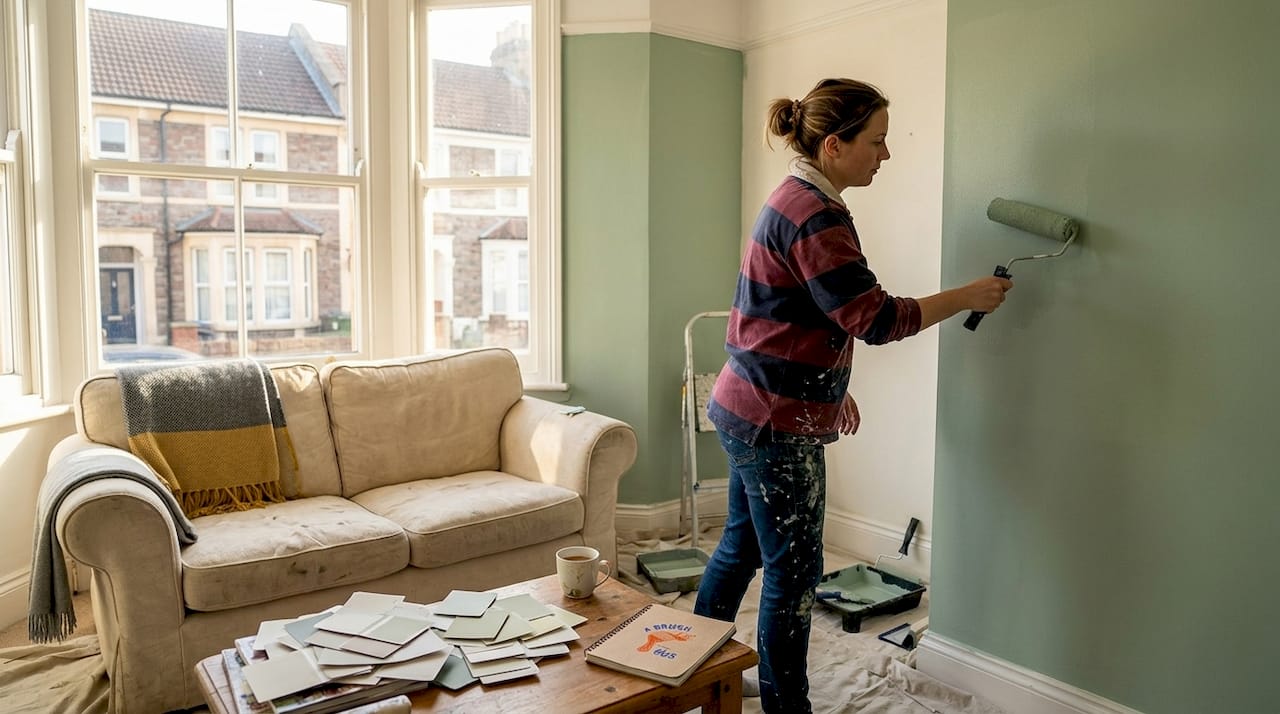
Choosing the right interior painting ideas for your home can feel overwhelming, especially when you’re trying to balance style, budget, and practicality all at once. Whether you’re refreshing a tired living room in Bristol or giving a Cornish cottage bedroom a new lease of life, the decisions stack up fast. Which colours work for north-facing rooms? Should you go DIY or hire a professional? What finishes actually last? This guide walks you through everything, from smart decision criteria and trending colour palettes to honest cost comparisons and preparation steps that make the real difference.
Table of Contents
Key Takeaways
Point | Details |
Preparation matters most | Proper cleaning, repair, and priming account for 70% of a quality paint job. |
Earth tones are trending | Muted earth tones and warm neutrals are the top interior colour choices for 2026. |
Professional vs DIY | Hiring a pro costs more but ensures lasting results; DIY can be affordable but takes more effort. |
Eco paints for health | Low-VOC paints are recommended for healthier homes and align with sustainability trends. |
Smart finish selection | Matt and eggshell finishes help hide imperfections and suit most living spaces. |
What makes a smart interior painting choice?
Before you pick up a brush or open a colour chart, it helps to understand what separates a lasting, professional-looking result from one that starts peeling within a year. The foundation of any great paint job is preparation. In fact, preparation accounts for 70% of a professional paint job, which means the actual painting is almost secondary to the groundwork you lay beforehand.
When it comes to decision criteria, there are several factors worth weighing carefully:
Durability: High-traffic areas like hallways and kitchens need tougher, washable finishes.
Finish type: Matt hides imperfections; eggshell offers a subtle sheen and is easier to wipe clean.
Coverage: Cheaper paints often need three coats where a quality paint needs two, costing more in the long run.
Room light: South-facing rooms can handle cooler tones; north-facing rooms benefit from warm, creamy shades.
Trending colours: Staying current adds value and freshness without a full renovation.
The order you paint in also matters. Always start with the ceiling, move to the walls, and finish with the woodwork. This sequence prevents drips ruining freshly painted surfaces below.
Understanding the different interior paint types available, from vinyl matt to oil-based gloss, helps you match the right product to each surface and room.
Pro Tip: Cut several paint swatches and pin them to your wall. Check them in the morning light, at midday, and under artificial evening light before committing. Colours shift dramatically depending on the time of day.
Top interior painting ideas for South West UK homes
With clear decision criteria in mind, here are the painting ideas making waves in your region this year. Muted earth tones and warm neutrals are trending in UK interiors for 2026, and they suit the natural landscapes and stone architecture common across the South West beautifully.
Here are six ideas worth considering:
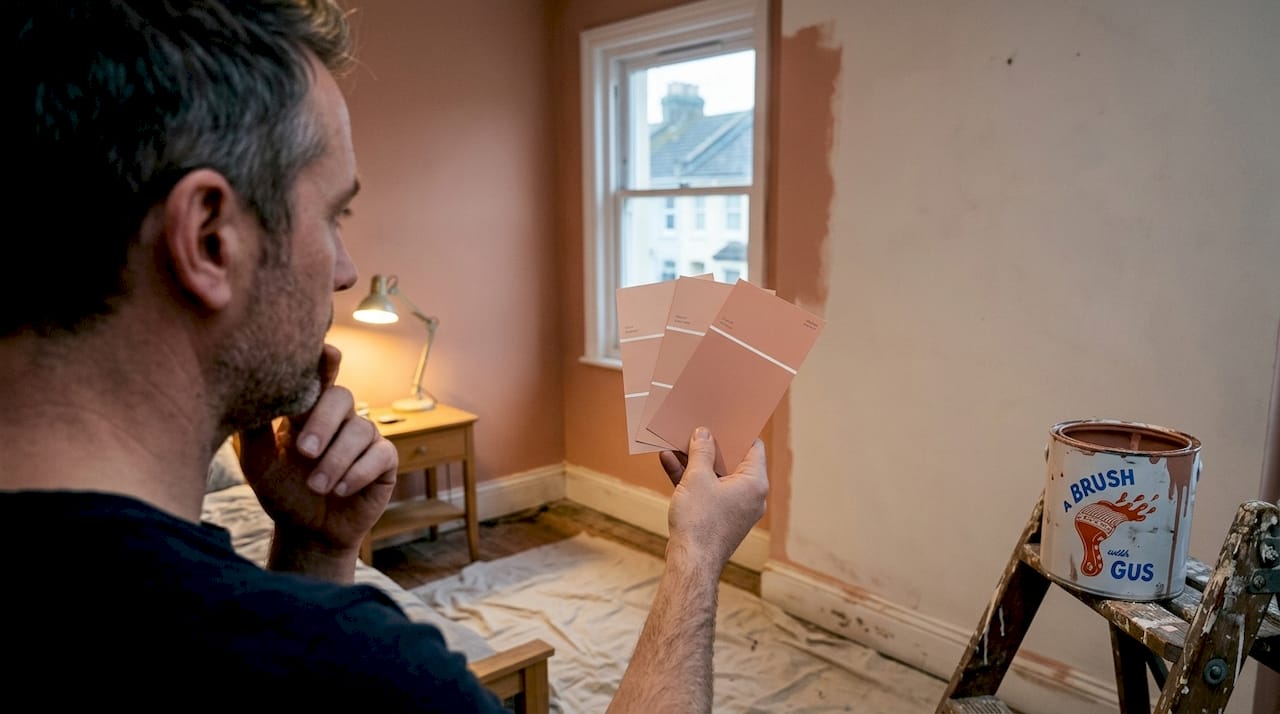
Earth tones: Think terracotta, ochre, and warm clay. These shades work brilliantly in living rooms and dining areas, creating a grounded, cosy atmosphere.
Colour drenching: Paint walls, ceiling, and woodwork in the same shade for a bold, enveloping effect. It’s surprisingly affordable since you only need one tin.
Warm neutrals: Shades like linen, oat, and soft stone are endlessly versatile and work in almost any room, regardless of light levels.
Subtle tonal contrasts: Use two shades from the same colour family, one slightly darker for the lower half of the wall, to add depth without drama.
Durable finishes for high-traffic areas: Eggshell or satin finishes in hallways, kitchens, and children’s rooms stand up to scrubbing and daily wear far better than standard matt.
Eco-friendly paints: Low-VOC (volatile organic compound) options are increasingly popular and widely available from brands like Dulux Trade and Farrow & Ball.
Sustainable low-VOC paints are recommended for UK homes in 2026, supporting healthier indoor air quality and reducing environmental impact without compromising on finish quality.
For brand recommendations, Dulux Trade offers excellent coverage at a mid-range price point, while Benjamin Moore Aura is a premium choice for those wanting fewer coats and a flawless finish. If budget is tight, check our affordable painting guide for practical ways to stretch your spend further.
Pro Tip: For north-facing rooms, avoid cool greys and stark whites. Instead, lean into warm off-whites or soft terracottas to counteract the lack of natural sunlight. You can explore more trending colours and how to apply them confidently in different spaces.
Comparing paint choices: cost and value
To help you make an informed decision, let’s compare the cost and value of each painting option available. The numbers might surprise you.
Option | Estimated cost | Speed | Risk of rework | Best for |
Professional (per room) | £150 to £400 | Fast | Low | Most homeowners |
Professional (1-bed flat) | £600 to £1,000 | 1 to 2 days | Very low | Full refreshes |
Professional (day rate) | £180 to £280/day | Flexible | Low | Specific rooms |
DIY (full house materials) | £800 to £2,500 | Slow | High | Confident DIYers |
Professional interior painting costs range from £150 to £400 per room in the UK in 2026, with South West examples sitting at £600 to £1,000 for a one-bedroom flat and £180 to £280 per day for trade labour. Meanwhile, DIY materials alone can reach £800 to £2,500 for a full house once you factor in primer, paint, tools, and sundries.
The hidden costs of DIY are worth considering carefully:
Time off work or weekends lost
Mistakes requiring additional coats or professional correction
Tool hire or purchase (rollers, trays, masking tape, dust sheets)
Potential damage to furniture or flooring
For budget-savvy homeowners, the sweet spot is often a hybrid approach. Tackle smaller, lower-risk rooms yourself and bring in professionals for open-plan spaces, stairwells, or rooms with complex woodwork. Read more about professional painting costs and what’s included in a typical quote before making your decision.
How to prepare your rooms for a quality painting finish
Regardless of your choice, thorough room preparation is the secret to a professional-looking finish. Skipping steps here is the single biggest reason DIY paint jobs look amateur within months.
Follow these preparation steps in order:
Clean all surfaces thoroughly with sugar soap to remove grease, dust, and grime. Paint won’t bond properly to dirty walls.
Repair cracks and holes using filler. Sand smooth once dry, working from coarser to finer grit.
Sand existing paintwork lightly to give the new coat something to grip. Wipe away dust with a damp cloth.
Apply a mist coat or primer before your topcoats. New plaster especially needs this step.
Cleaning, repairing, sanding, and priming are all essential stages, and new plaster requires 2 to 4 weeks of drying time before you paint, followed by a mist coat mixed at a 10:1 water to paint ratio.
Here’s a quick reference for key preparation details:
Stage | Detail | Notes |
New plaster drying | 2 to 4 weeks | Do not rush this stage |
Mist coat ratio | 10 parts water to 1 part paint | Seals and primes new plaster |
Sanding grit (repairs) | 80 to 120 grit | Finish with 180 to 240 grit |
Roller nap | 1/2 inch microfibre | Ideal for smooth to semi-smooth walls |
Microfibre rollers with a 1/2 inch nap, extension poles, and a product called Floetrol added to your paint all help reduce brush marks and make the job far less tiring. Floetrol is a paint conditioner that improves flow and levelling, giving you a smoother finish with less effort.
North-facing rooms and high-traffic areas deserve extra attention at the prep stage. Damp patches must be treated before painting, and high-traffic zones benefit from an additional coat of durable finish. For more detail on technique, explore our guides on professional painting techniques and achieving quality finishes that stand the test of time.
Pro Tip: Always use an extension pole rather than a stepladder for ceiling work where possible. It’s faster, safer, and gives you a more consistent roller pressure across the surface.
Affordable interior painting services for South West UK homes
If you’ve worked through this guide and decided that professional support is the right move, the next step is finding someone local, reliable, and fairly priced.
A Brush With Gus is a family-run painting and decorating business operated by brothers Gus and Rhys, serving homeowners across the South West. They handle everything from preparation and priming through to final coats, using quality materials including low-VOC options for healthier homes. Their domestic painting services cover everything from single rooms to full house refreshes, and their transparent pricing means no nasty surprises. Whether you need a quick bedroom refresh or a complete interior overhaul, you can browse their full range of painting and remodelling services and get in touch for a free, no-obligation quote today.
Frequently asked questions
What is the best order for painting a room?
Paint the ceiling first, then the walls, and finish with the woodwork. This sequence prevents drips and splashes from spoiling surfaces you’ve already completed.
How long should I wait before painting new plaster?
Allow new plaster to dry for 2 to 4 weeks before applying any paint. Your first coat should be a mist coat mixed at a 10:1 water to paint ratio to seal the surface properly.
Which paint finishes hide imperfections best?
Low-sheen matt and eggshell finishes are the best choices for walls with minor imperfections, as they absorb light rather than reflecting it back and highlighting uneven surfaces.
Are eco-friendly paints available and suitable for homes?
Yes, sustainable low-VOC paints are widely available and actively recommended for UK homes in 2026. They support healthier indoor air quality and are suitable for all rooms, including children’s bedrooms.
What does a typical interior painting job cost in South West UK?
Professional painting costs range from £150 to £400 per room, while full house DIY material costs typically fall between £800 and £2,500 depending on the size of the property and quality of products chosen.
Recommended
Comments