
Residential painting process: step-by-step guide 2026
TL;DR:
Proper preparation and choosing region-specific materials ensure long-lasting paint finishes in the South West UK.
Exterior paint lasts 5–10 years with correct surface prep and suitable weather conditions.
Investing in professional services can provide higher quality and durability, especially for complex exterior projects.
Getting a flawless paint finish on your home sounds straightforward until you’re standing in a draughty hallway with streaky walls and a tin of the wrong colour. For homeowners across the South West UK, the challenge is even sharper: the region’s damp Atlantic climate can ruin an otherwise careful job if you haven’t planned properly. Whether you’re refreshing tired interior walls or tackling a full exterior repaint in 2026, this guide walks you through every stage of the residential painting process, from budgeting and surface preparation right through to long-term maintenance, so you know exactly what to expect before you lift a brush.
Table of Contents
Key Takeaways
Point | Details |
Proper preparation is essential | Thorough prep work saves money and ensures paint lasts up to a decade. |
Follow each step carefully | Adhering to the recommended process delivers a flawless, durable finish inside and out. |
Choose materials for UK climate | Using quality masonry paint and planning for damp will prolong results for South West homes. |
Avoid common mistakes | Check quality checkpoints and avoid shortcuts to prevent early flaking or discolouration. |
Maintenance extends longevity | Simple annual checks and quick fixes keep paintwork in top condition for years. |
What to consider before you start painting
Rushing into a painting project without preparation is the single most common reason homeowners end up disappointed. Before you buy a drop of paint, you need a clear picture of your budget, your surfaces, and the conditions you’re working in.
Budgeting for 2026
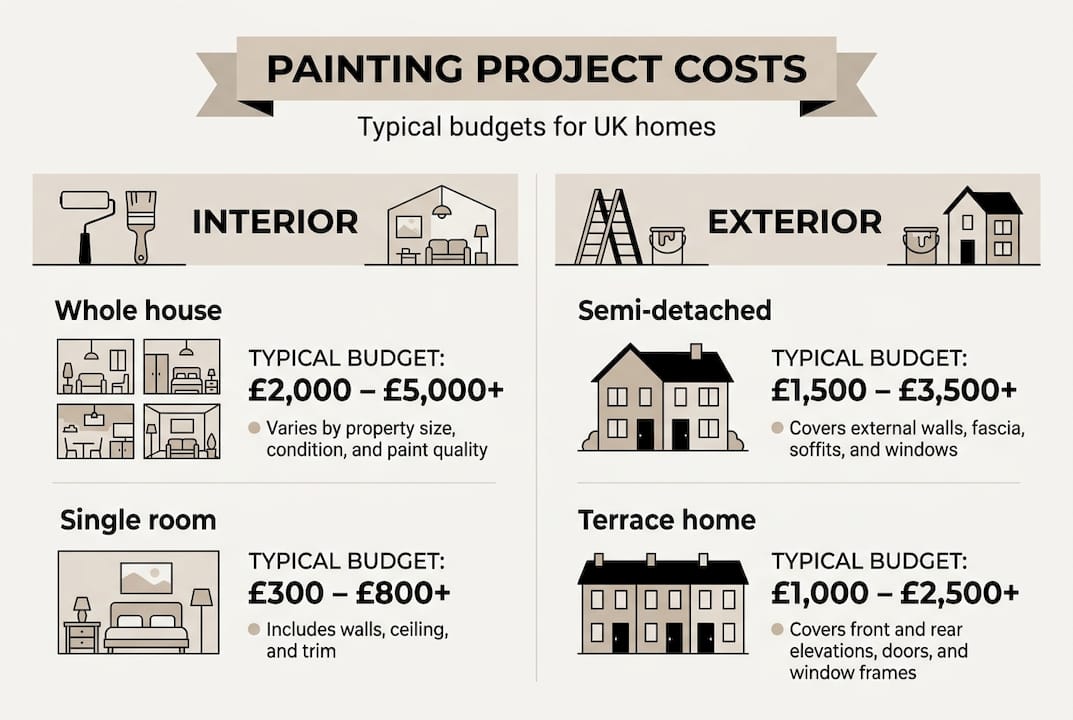
Costs have shifted in recent years, and it pays to know the current benchmarks. According to house painting costs, painting a 3-bedroom interior in the UK typically runs £1,200–£3,000, while a single room costs £250–£600. Professional painters charge around £300–£350 per day. Exterior work on a semi-detached property sits between £1,600 and £3,800. South West prices align closely with the national average, making them noticeably more affordable than London rates.
Item | Typical cost (2026) |
Interior 3-bed house | £1,200–£3,000 |
Single room | £250–£600 |
Exterior semi-detached | £1,600–£3,800 |
Professional painter (per day) | £300–£350 |
Quality masonry paint (5L) | £20–£45 |
Primer (5L) | £15–£30 |
Understanding your surfaces
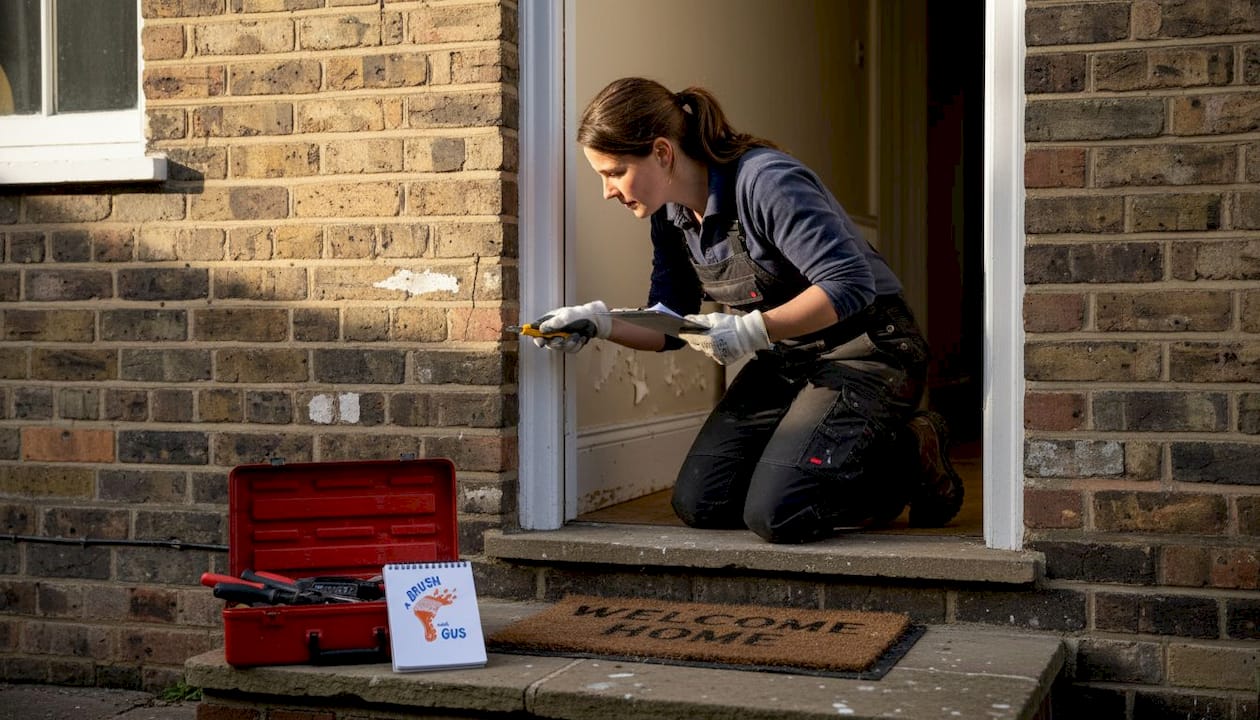
Interior and exterior surfaces behave very differently. Interior walls are generally more forgiving, but older South West homes often have plaster that absorbs moisture and causes paint to bubble or peel if not sealed first. Exterior surfaces face far greater punishment. The South West’s coastal air, frequent rain, and temperature swings mean that choosing the wrong paint or skipping primer is a costly mistake. For a broader overview of residential painting, it helps to understand how surface type shapes every decision you make.
Timing and weather
For exterior work, aim for dry spells with temperatures above 10°C. The South West often offers mild winters, but high humidity is a constant risk. Painting in damp conditions traps moisture beneath the surface and leads to early flaking. Familiarising yourself with local painting practices specific to the region will help you plan around seasonal patterns.
Essential materials and tools
Masonry paint (exterior) or emulsion (interior)
Primer or stabilising solution
Filler and sandpaper (various grits)
Rollers, brushes, and extension poles
Dust sheets and masking tape
Pressure washer or scrubbing brushes for exterior prep
Pro Tip: Spending an extra afternoon on surface preparation can save you hundreds of pounds in premature repainting. Proper prep is where lasting results are won or lost.
Step-by-step residential painting process
Once you’ve gathered your materials and prepared your budget, you’re ready to begin the methodical process itself. Following the correct sequence prevents costly rework and ensures the paint bonds properly.
Exterior painting steps
As outlined by guidance on how to paint outside, the exterior process follows a clear order: clean walls with a pressure washer and allow 24–48 hours to dry fully; repair any cracks with exterior filler and sand smooth; protect windows, doors, and plants with masking tape and dust sheets; apply a coat of primer; then apply the first topcoat working top-down with a roller or brush; finish with a second coat once the first is fully dry. Using masonry paint is essential in the UK’s damp climate, and with correct preparation it lasts 5–10 years.
Interior painting steps
Clear the room and cover furniture and floors with dust sheets.
Fill any cracks or holes in walls and ceilings; sand smooth when dry.
Wipe down surfaces with a damp cloth to remove dust and grease.
Apply a mist coat (watered-down emulsion) to new plaster, or a primer to bare surfaces.
Cut in around edges and corners with a brush before rolling large areas.
Apply the first coat and allow to dry fully (typically 2–4 hours for emulsion in UK conditions).
Apply the second coat for even coverage and a professional finish.
For more detail on achieving a high-quality result, see guidance on professional painting techniques and the range of types of interior paints available for different surfaces.
Safety note: Always ensure adequate ventilation when painting indoors. Open windows and use a fan to circulate air, particularly when using oil-based paints or primers. Solvent fumes can build up quickly in enclosed spaces and pose a health risk.
Key dos and don’ts
Do stir paint thoroughly before use and between coats.
Don’t apply thick coats to speed up the job; thin, even coats dry better and last longer.
Do allow full drying time between coats, not just surface drying.
Don’t paint exterior surfaces in direct hot sun, as paint dries too quickly and cracks.
If you’re considering a faster, more even finish for large surfaces, paint spraying methods are worth exploring as an alternative to traditional rolling.
Pro Tip: In the South West, plan exterior painting for a dry window of at least three consecutive days. Even a brief shower on freshly applied paint can cause runs and uneven coverage.
Common mistakes and how to avoid them
Even following the right steps, missteps happen. Knowing what to look out for can make all the difference between a finish that lasts and one that fails within a season.
Common mistake | Best practice |
Skipping primer on bare surfaces | Always prime before topcoats |
Painting over damp or dirty walls | Clean and dry thoroughly first |
Using interior paint outdoors | Choose masonry or exterior-grade paint |
Applying one thick coat | Use two or three thin coats |
Ignoring weather forecasts | Check conditions 48 hours ahead |
Neglecting to sand between coats | Light sanding improves adhesion |
The South West’s weather is particularly unforgiving. High humidity can prevent paint from curing properly, and understanding weather factors in painting is essential for timing your project well. With correct preparation, exterior paintwork lasts 5–10 years, but cut corners and you could be repainting within two.
Quality checkpoints during and after painting
Check coverage consistency after each coat before it dries fully.
Look for runs, drips, or missed patches while the paint is still workable.
Inspect edges and corners where brush marks are most visible.
Verify that masking tape is removed cleanly before the paint fully hardens.
Check that all filler and repair areas are fully covered and blended.
For additional guidance on getting exterior results right, exterior decorating tips cover both technique and product selection in practical detail.
Pro Tip: Always inspect your finished paintwork in both natural daylight and artificial light. Shadows from ceiling lights can hide streaks and uneven patches that are glaringly obvious in the morning sun.
How to assess results and maintain your paintwork
With pitfalls covered, it’s time to focus on maximising the results of your efforts and ensuring those results last. A careful post-paint inspection protects your investment and catches small issues before they become expensive problems.
Post-paint inspection steps
Walk around the exterior or through each interior room in good natural light.
Run your hand lightly over surfaces to feel for rough patches, bubbles, or raised edges.
Check all trim, skirting boards, and window frames for drips or uneven coverage.
Look at joins between different surfaces (wall to ceiling, wall to woodwork) for clean lines.
Photograph any areas of concern so you have a reference point for future maintenance checks.
Maintenance tips for South West homes
Wash exterior walls gently with a soft brush and mild detergent once a year to remove algae and dirt.
Inspect exterior paintwork each autumn before the wet season sets in.
Touch up small chips and cracks promptly to prevent moisture from getting underneath.
Keep gutters and downpipes clear so water doesn’t run down painted walls.
Repaint window frames and sills every 3–5 years as these take the most weather exposure.
Stat callout: UK exterior paint applied with correct preparation lasts 5–10 years, meaning a well-maintained home may only need a full exterior repaint two or three times per decade.
Spotting early warning signs saves significant money. Peeling, chalking, or discolouration are signals that the paint system is failing. Knowing the signs for repainting means you can act before damp penetrates the wall structure. For a structured approach to ongoing upkeep, a painting workflow guide can help you build a simple annual maintenance schedule.
A professional’s take: What really matters in 2026
Here’s something most painting guides won’t tell you: the process itself is rarely where projects go wrong. It’s the decisions made before a single tin is opened that determine the outcome. In 2026, South West homeowners face a specific set of pressures. Material costs have risen, the climate remains unpredictable, and the temptation to rush a project to save money is stronger than ever.
What we’ve seen repeatedly in our work across the region is that homeowners who invest time in preparation and choose the right products for local conditions get results that genuinely last. Those who cut corners on primer, skip drying time, or choose the cheapest paint available are often back in touch within a couple of years. That’s not a saving; it’s a delayed expense.
The DIY versus professional question is real. Some jobs are absolutely manageable yourself, particularly interior rooms with good access and straightforward surfaces. But exterior work on a two-storey property, or anything involving specialist finishes, is where professional standards genuinely earn their cost. Our approach, grounded in real-world painting practices specific to this region, is always to match the method to the surface, not the other way around. That mindset is what separates a paint job that looks good for a season from one that protects your home for a decade.
Professional help for your 2026 painting project
If you’ve worked through this guide and realised the scope of your project is larger than expected, or you simply want the confidence of knowing it’s done right, we’re here to help.

At A Brush With Gus, Gus and Rhys bring hands-on experience to every job across the South West. From exterior home painting that stands up to the region’s weather, to domestic painting services covering every interior room, and professional spraying for a flawless, efficient finish, the full range of services is available for homes of every size. Getting a quote is straightforward. Get in touch today and we’ll talk through your project, your timeline, and what it will realistically take to get the result you want.
Frequently asked questions
How much does it cost to paint a house in the South West UK in 2026?
Painting a typical interior 3-bed house costs £1,200–£3,000, and exterior semi-detached homes cost £1,600–£3,800 in the South West UK, broadly in line with national averages.
How long does exterior house paint last in the UK climate?
With proper preparation, exterior paintwork lasts 5–10 years even in damp UK conditions, provided the right masonry paint is used and surfaces are thoroughly prepared beforehand.
What is the first step in the residential painting process?
The process begins with cleaning and preparing all surfaces thoroughly, including fixing cracks and sanding smooth, before any primer or paint is applied.
Is it better to DIY or hire a professional for painting?
Professionals achieve longer-lasting, higher-quality finishes and better manage timing, weather, and specialist materials. At £300–£350 per day, a professional can complete work that would take a homeowner several weekends, often with superior results.
How should I maintain my new paintwork?
Regular annual checks, gentle cleaning to remove algae and dirt, and prompt touch-ups of chips or cracks will help your paintwork stay fresh and extend its lifespan significantly.
Recommended
Comments