
Role of decorating in tenancy management: 2026 guide
- WM Creative Designs Limited
- Jul 17
- 8 min read
TL;DR:
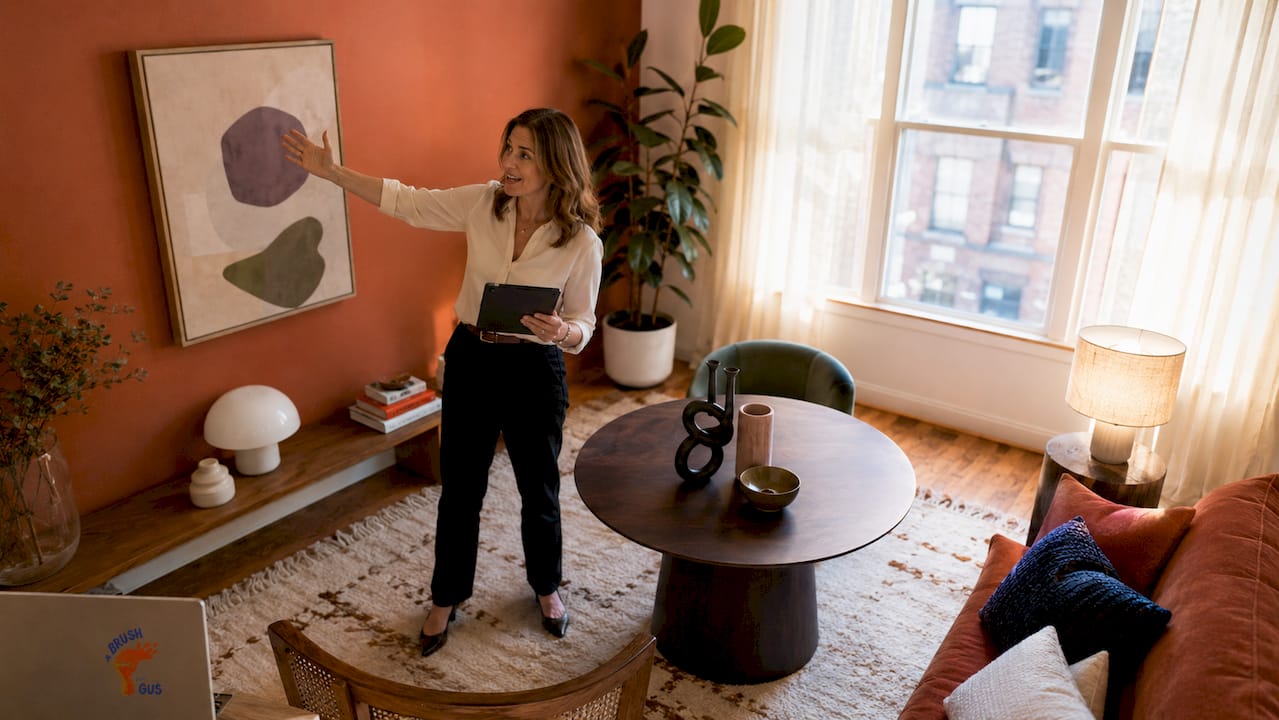
Decorating significantly impacts tenant satisfaction, retention, and rental income by shaping perceptions and creating sensory coherence.
Implementing thoughtful design strategies, such as natural light optimization and reversible personalization, boosts lease rates and reduces vacancy periods.
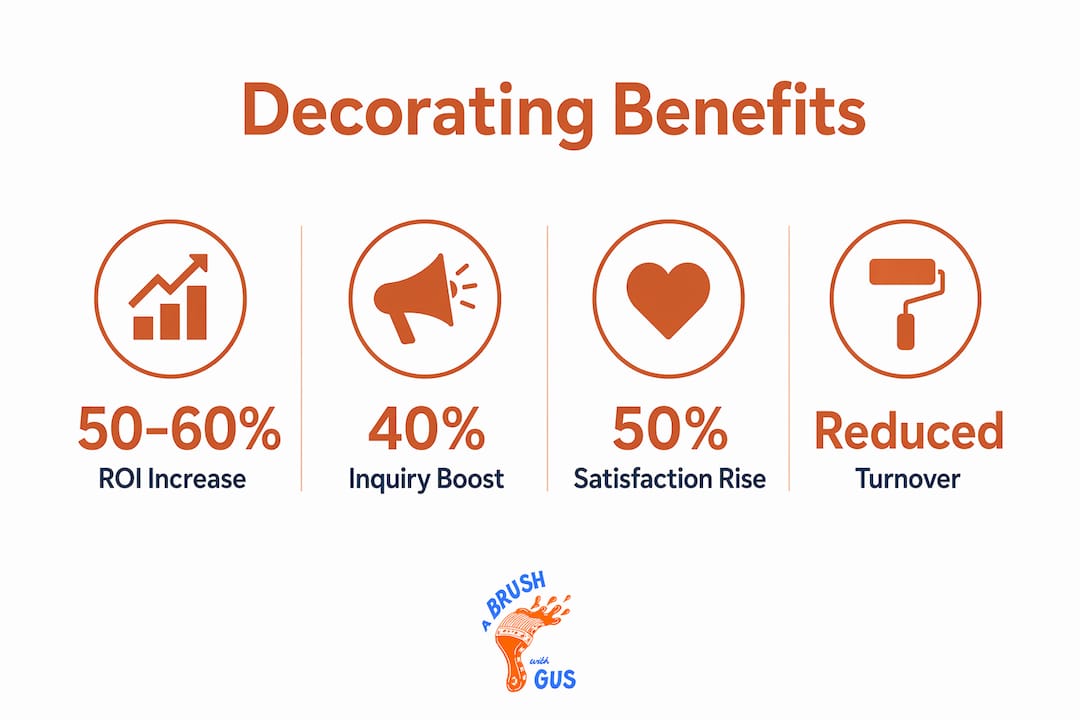
Decorating is defined as one of the most direct levers a landlord or property manager holds over tenant satisfaction, retention, and rental income. The role of decorating in tenancy management extends well beyond aesthetics. Curated artwork alone increases tenant inquiries by 40%, and a considered paint and colour strategy delivers 50–60% ROI on rental valuation. These are not cosmetic gains. They are measurable business outcomes that affect void periods, lease renewals, and the quality of tenants a property attracts. Property managers who treat decoration as a management tool, rather than a finishing touch, consistently outperform those who do not.
How does decorating influence tenant perception and decision-making?
Tenant perception is shaped before a single question is asked. Visual and sensory cues override price considerations in the early stages of a viewing. A prospective tenant who walks into a poorly lit, acoustically harsh space will discount the property mentally, even if the rent is competitive. This is not irrational behaviour. It reflects how the human brain processes environment.
The industry term for this is sensory coherence: the alignment of lighting, acoustics, temperature, flooring, and visual design into a unified experience. Conflicting sensory cues reduce perceived property value and lower tenant engagement. A warm colour palette paired with cold fluorescent lighting, for example, creates subconscious discomfort that tenants cannot always articulate but act on decisively.
Natural light is the single most impactful sensory factor in rental properties. Maximising natural light links to 10–15% higher lease renewal rates and boosts occupant mood by up to 40%. That means a landlord who invests in sheer curtains, light-reflecting paint finishes, and well-positioned mirrors is not just improving appearances. They are directly influencing whether a tenant signs for another year.
Key sensory factors that shape tenant decisions include:
Lighting quality: Natural light and warm-toned artificial lighting signal comfort and liveability.
Acoustic environment: Noise bleed between rooms or from outside reduces satisfaction sharply.
Colour coherence: Clashing tones across rooms create visual fatigue and a sense of neglect.
Flooring continuity: Mismatched flooring across open-plan areas signals poor upkeep.
Temperature perception: Warm materials such as timber, rugs, and soft furnishings make spaces feel regulated even when they are not.
Colour, layout, and artwork each carry emotional weight. A neutral but considered palette signals care without imposing taste. Artwork placed at eye level creates focal points that make rooms feel curated rather than empty. These details communicate to a prospective tenant that the landlord takes pride in the property. That signal alone influences the quality of tenant a property attracts.
What decorating strategies increase tenant satisfaction and retention?
The most effective decorating approach for rental properties balances durability with homeliness. A property that looks clinical drives tenants to personalise aggressively or leave quickly. A property that feels like a home encourages care and longer stays.

Neutral, durable colour palettes form the foundation. Shades such as warm whites, soft greys, and muted greiges work across furniture styles and personal tastes. They photograph well for listings, age gracefully between tenancies, and require fewer touch-ups. Choosing a paint colour strategy with rental durability in mind is one of the highest-return decisions a landlord can make.
Layered lighting transforms a flat, functional space into somewhere tenants want to live. Professional layering of lighting, using table lamps and warm-toned bulbs alongside ceiling fixtures, creates environments that attract tenants willing to pay a premium. The cost of a few well-placed lamps is negligible against the rental uplift they support.
Low-cost additions deliver outsized results. Practical interventions that consistently improve tenant satisfaction include:
Rugs: Define zones in open-plan spaces and absorb sound in hard-floored properties.
Curtains and blinds: Improve thermal comfort, privacy, and acoustic performance simultaneously.
Sound-absorbing artwork: Acoustic art panels reduce noise and improve comfort in multi-family buildings.
Removable wallpaper: Adds character to a feature wall without permanent commitment.
Greenery: Indoor plants improve air quality perception and create a sense of life in a space.
Allowing tenants a degree of reversible personalisation is one of the most underused strategies in tenancy management. Damage-free decorating approaches, such as command strips and temporary window treatments, are linked to increased tenant sense of ownership and longer tenancies. A tenant who can hang their own art without fear of deposit deductions feels at home. That feeling translates directly into renewal decisions.
Pro Tip: Specify in the tenancy agreement which reversible methods are permitted, such as command strips up to a stated weight limit, and photograph walls at check-in. This protects the deposit process while giving tenants the freedom that reduces turnover.
What are the financial and operational benefits of investing in decorating?
Decorating is a core business strategy for rental investors, not a discretionary spend. The financial case is clear: lower vacancy, higher rent, and reduced turnover costs all flow from a well-decorated property.
Paint and colour strategy alone delivers 50–60% ROI on rental valuation. That figure reflects both the direct uplift in asking rent and the indirect saving from reduced void periods. Every week a property sits empty costs a landlord money. A property that photographs well, views well, and feels well-maintained lets faster and at a higher price.
The table below summarises the measurable impact of key decorating interventions:
Decorating intervention | Measurable outcome |
Curated artwork | 40% increase in tenant inquiries |
Natural light optimisation | 10–15% higher lease renewal rates |
Improved soundproofing and lighting | Up to 50% lift in tenant satisfaction |
Paint and colour strategy | 50–60% ROI on rental valuation |
Reversible tenant personalisation | Reduced void periods and longer tenancies |
Tenant turnover is the largest hidden cost in property management. Referencing fees, cleaning, redecoration between lets, and lost rent during void periods accumulate quickly. A landlord who retains a good tenant for an additional year avoids all of those costs. Decorating that improves satisfaction directly reduces turnover frequency. The role of painting in property value is therefore both a marketing and an operational argument.
Improved soundproofing and lighting quality can lift tenant satisfaction by up to 50%. That level of improvement in satisfaction correlates with fewer complaints, fewer maintenance calls, and higher rates of lease renewal. For a property manager overseeing multiple units, those reductions in operational friction add up to significant time and cost savings across a portfolio.
How can property managers balance decorating with tenancy regulations?
Decorating in rental properties operates within a practical and legal framework. Getting this balance right protects the landlord’s investment and the tenant’s deposit.
The starting point is a clear decorating policy within the tenancy agreement. This should specify what tenants may and may not alter, which materials are permitted, and how changes must be reversed at the end of the tenancy. Clarity at the outset prevents disputes at check-out.
Approved materials and finishes matter as much as aesthetics. For rental properties, the right choices include:
Washable matt emulsion: Covers scuffs without leaving sheen marks, and repaints cleanly between tenancies.
Durable flooring: Luxury vinyl tile and engineered timber withstand heavy use and clean easily.
Satin or eggshell finishes for woodwork: More resistant to knocks and moisture than standard matt.
UPVC-compatible coatings: Refresh windows and doors without replacement, reducing maintenance costs significantly.
Allowing tenants small, non-permanent decorative liberties encourages ownership and reduces void periods. The key word is reversibility. Command strips, adhesive hooks rated to a stated weight, and peel-and-stick tiles in bathrooms all allow personalisation without structural change. These approaches replace the outdated model of blank, minimalist rentals that tenants never feel attached to.
Communicating decorating expectations clearly at the start of a tenancy also reduces maintenance costs. Tenants who understand what is permitted are less likely to make unauthorised changes that require expensive remediation. A brief decorating guide included with the tenancy pack, covering permitted methods and preferred suppliers, sets expectations professionally and reduces friction throughout the tenancy.
Pro Tip: Schedule a mid-tenancy inspection at six months and include a brief decorating check. Catching a tenant’s unauthorised wall colour early costs far less to address than a full repaint at check-out.
Key takeaways
Decorating is the most cost-effective management tool available to landlords, directly improving tenant satisfaction, lease renewal rates, and rental income across every property type.
Point | Details |
Sensory coherence drives decisions | Align lighting, acoustics, colour, and flooring to improve perceived property value. |
Natural light lifts renewals | Optimising natural light links to 10–15% higher lease renewal rates. |
Low-cost additions deliver results | Rugs, curtains, and acoustic art improve satisfaction without significant outlay. |
Reversible personalisation reduces voids | Permitting command strips and temporary treatments encourages tenant ownership and longer stays. |
Paint strategy delivers strong ROI | A considered colour and paint approach returns 50–60% on rental valuation. |
Decorating as a management tool: what I have learnt from years on the job
Most landlords still think of decorating as something you do between tenants, not something you do for them. That framing costs money. The properties I have seen retain the best tenants longest are not the most expensive or the most fashionable. They are the ones where someone has thought carefully about how a person will feel living there.
Sensory design is the part most landlords overlook entirely. They will repaint walls but leave cold strip lighting in the kitchen. They will lay new flooring but ignore the acoustic nightmare of a hard-floored flat with thin walls. Tenants feel these things before they can name them, and they act on those feelings when the renewal comes around.
The shift I have noticed in recent years is that tenants increasingly expect a degree of personalisation to be permitted. The old model of “white walls, no nails” is actively working against landlords now. Tenants who feel they cannot make a space their own disengage from it. They stop caring for it. They leave sooner. Giving a tenant permission to use command strips costs nothing and buys genuine goodwill.
My honest view is that decoration should sit in the same category as boiler maintenance for a serious landlord. It is not cosmetic. It is operational. The landlords who treat it that way see the results in their renewal rates and their void periods. The ones who do not are paying for it, even if they cannot see exactly where.
— Angus
How Abrushwithgus supports landlords with rental decorating
Landlords and property managers across the South West trust Abrushwithgus to keep their rental properties in the condition that retains good tenants and commands strong rents.
From interior painting and decorating for full refurbishments between tenancies to specialist UPVC spraying that refreshes windows and doors without costly replacement, Abrushwithgus covers the full range of decorating work a rental property needs. The team also provides professional cleaning services to prepare properties between lets, reducing void time and presenting properties at their best. As a family-run business built on quality workmanship and straightforward communication, Abrushwithgus makes the process simple for landlords managing one property or a full portfolio. Get in touch for a quotation.
FAQ
How does decorating affect tenant retention?
Decorating directly improves tenant satisfaction by creating a comfortable, coherent sensory environment. Properties with optimised natural light and considered colour schemes see 10–15% higher lease renewal rates.
What is the ROI of repainting a rental property?
A considered paint and colour strategy delivers 50–60% ROI on rental valuation. It also reduces void periods by improving how a property photographs and views during the letting process.
Can landlords allow tenants to decorate?
Landlords can permit reversible decorating methods such as command strips and peel-and-stick wallpaper without risking property damage. Allowing these freedoms is linked to longer tenancies and better tenant care of the property.
What colours work best in rental properties?
Neutral palettes, including warm whites, soft greys, and muted greiges, perform best in rental properties. They suit a wide range of tenant tastes, photograph well for listings, and require fewer touch-ups between tenancies.
Does soundproofing count as decorating in a rental?
Acoustic improvements such as rugs, heavy curtains, and sound-absorbing artwork function as both decorating and soundproofing. These additions can lift tenant satisfaction by up to 50% and reduce noise-related complaints in multi-family buildings.
Recommended
Comments