
10 signs you need decorating services (and what to do next)
- WM Creative Designs Limited
- 10 minutes ago
- 11 min read
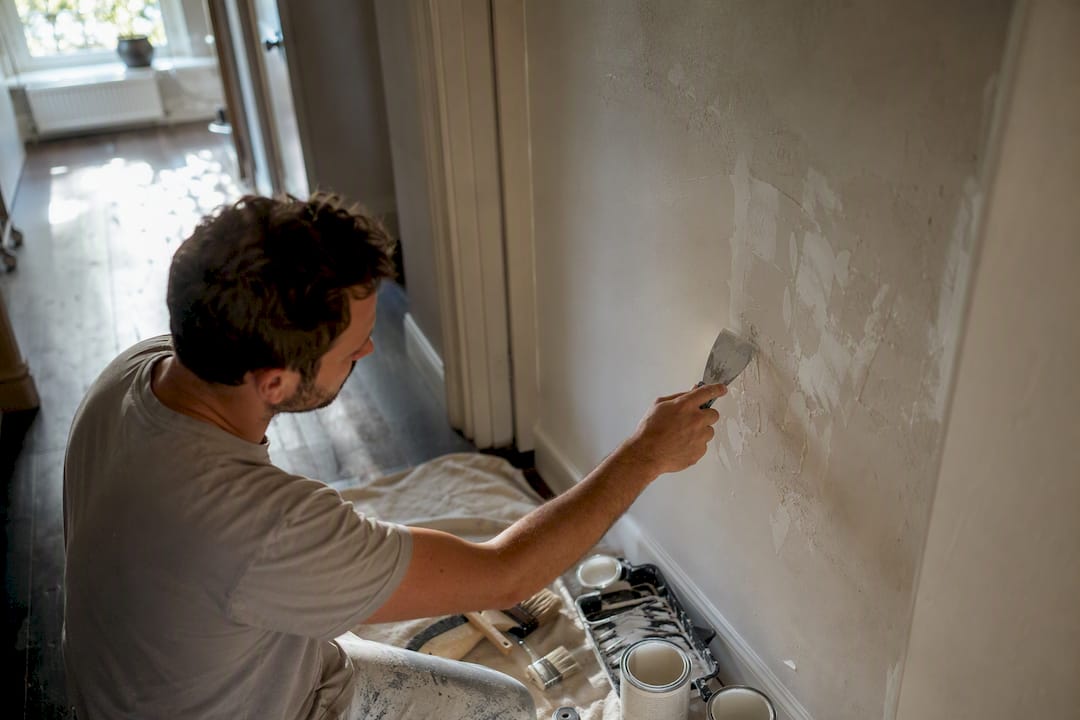
Call a decorator when you see three or more coats’ worth of neglect: peeling paint, damp staining, or woodwork that’s gone soft. A single scuff mark doesn’t need a professional. Active decay, water ingress, or a colour scheme that’s making the house harder to sell almost always does.
A decorator handles surface finishes; an interior designer manages structural changes and contractor coordination — know which one you actually need.
Costs for a full room vary by location and scope, so get more than one quote before committing.
Next step: photograph the problem area and book a site visit or quote this week.
Table of Contents
10 signs you need decorating services right now
Most homeowners live with a decorating problem for months before they act on it. Here’s what to actually watch for, and what to do about each one.
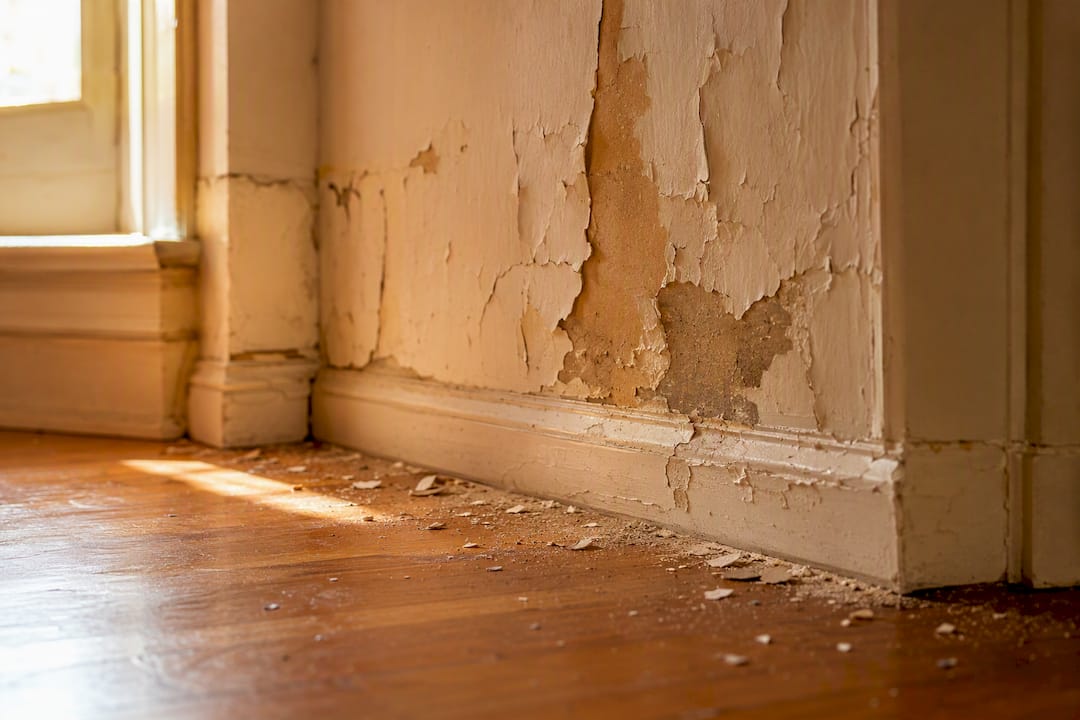
1. Peeling, flaking, bubbling or cracked paint. This usually means moisture is getting behind the paint film, or the surface wasn’t prepped properly last time. Scrape a small area. If it lifts in sheets rather than flaking as dust, call a professional rather than repainting over it.
2. Faded or badly discoloured paint, especially outside. UV exposure fades exterior paint faster than most people expect, and a chalky, sun-bleached wall is usually cosmetic rather than structural. If the substrate underneath is still sound, this is a straightforward repaint.
3. Water damage, stains or damp patches. A brown ring on the ceiling or a damp patch that reappears after painting over it points to an active leak or condensation problem. Paint alone won’t fix this. Get the cause diagnosed before anyone picks up a brush.
4. Mould, mildew or black spots. These aren’t just cosmetic. Mould on plaster or around window reveals signals a ventilation or damp problem that will keep coming back through fresh paint unless it’s treated at the source. Treat this as urgent, not decorative.
5. Cracked, damaged or loose plaster, or holes in walls. Hairline cracks from seasonal movement are normal. Wide cracks, bulging patches, or plaster that sounds hollow when tapped need a plasterer before any decorator picks up a roller.
6. Rotten, soft or splintering woodwork. Sills, skirting boards and door frames take the brunt of weather and daily wear. Press a screwdriver into the wood gently. If it sinks in without resistance, that timber needs replacing or treating, not painting over.
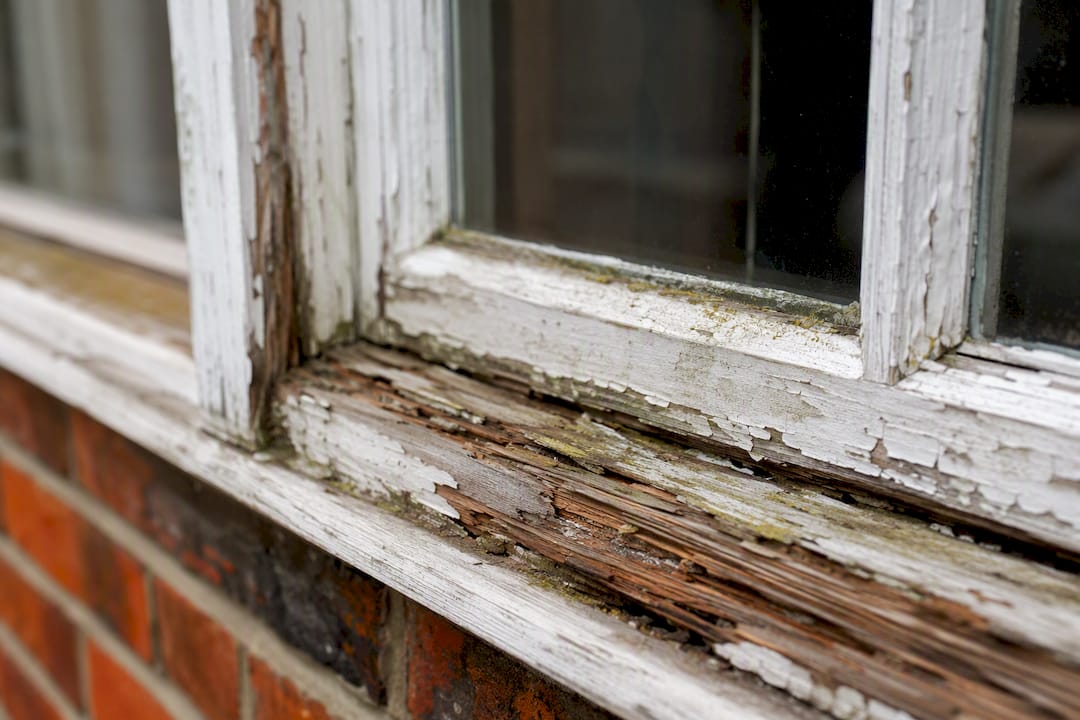
7. Chipped trim, flaking mouldings or failing external paint. Trim and mouldings are your home’s first line of defence against weather. Once the protective coating starts failing, water gets underneath and the damage accelerates. This is a “deal with it this season” job, not a “someday” one.
8. Outdated or inconsistent colour schemes. No damage here, just a house that looks tired or disjointed room to room. This is the purely cosmetic end of the list, and a good colour consultation can solve it in an afternoon rather than a guessing game with tester pots.
9. High or hard-to-reach areas. Gable ends, stairwells, and anything above two storeys need proper access equipment, not a ladder and a prayer. If a job needs scaffold towers or powered access, that’s a professional job by default, purely on safety grounds.
10. Delicate, historic or specialist surfaces. Lead paint, limewash render, and original panelling all need specific handling. Sanding old lead paint without the right precautions is a genuine health hazard, and getting it wrong on a period property can cost more to fix than the original job would have cost.
Which signs need action now, and which can wait
Some of these problems get worse every week you leave them. Others are purely about appearance.
Deal with this week: active damp or water ingress, visible mould, rotten or soft structural timber, and any large or spreading plaster crack. These typically worsen fast and can spread damage to areas that were previously fine.
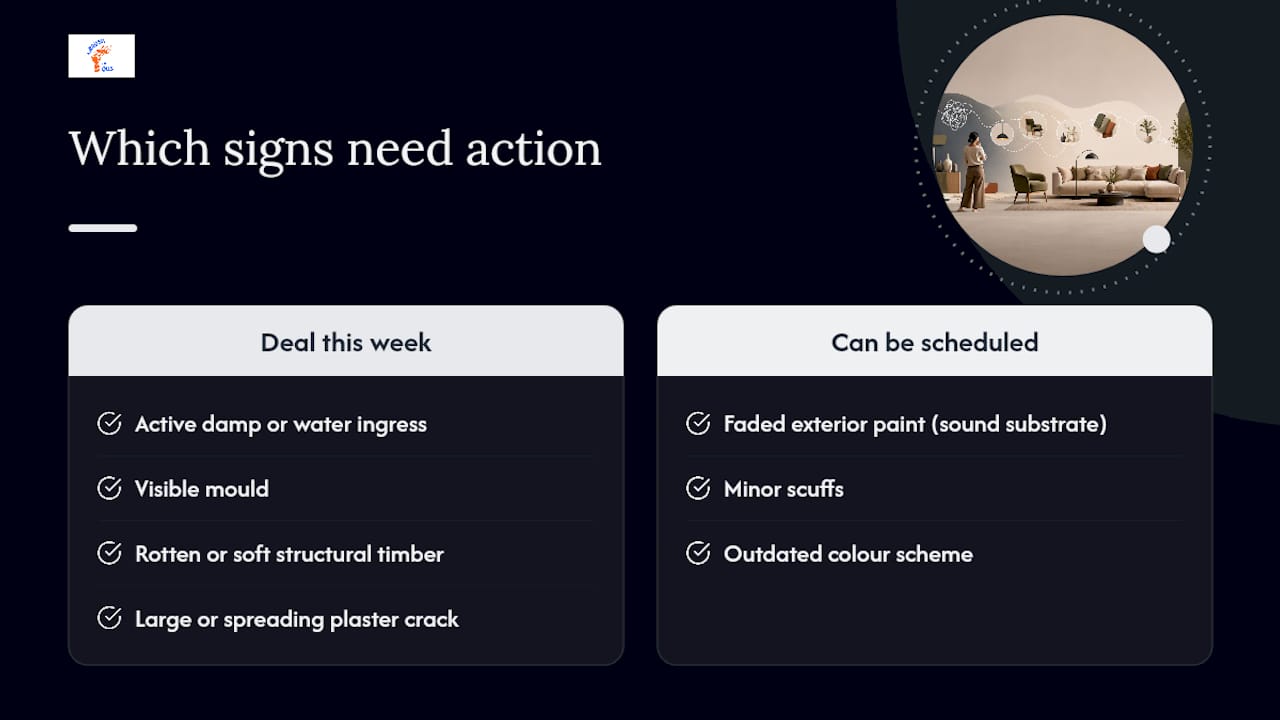
Can be scheduled over weeks or months: faded exterior paint with a sound substrate underneath, minor scuffs, and an outdated colour scheme. If you’re unsure whether damage is only surface-deep, a moisture meter reading or a quick trades inspection settles it before you commit to a repaint.
Should you DIY it or call a decorator?
Three questions sort most decisions quickly:
Is the work structural, or purely a finish? Structural cracks, rot, or damp need a tradesperson or interior designer first; a decorator finishes what’s already sound.
How expensive would a mistake be? A botched feature wall costs a tin of paint to fix. A botched exterior spray job on UPVC frames costs a full respray.
Do you have the time and the enthusiasm to see it through? Half-finished decorating jobs are more common than most people admit.
Pro Tip: A short paid consultation with a decorator, followed by you doing the actual painting, is one of the best-value approaches going. You get professional colour and prep advice without paying labour rates for every wall.
If a DIY job has stalled for more than a month, or you’ve returned paint or wallpaper more than once because it didn’t look right in the room, that’s your signal to bring in a professional rather than trying again.
What decorating actually costs and how long it takes
Costs vary a good deal by region and by how much prep the walls need, but published guidance puts a large living room repaint at a meaningful cost when done properly, well above the price of paint alone once labour and prep are factored in.
A single room typically takes one to three days, depending on prep and drying time between coats.
A full interior repaint can run one to two weeks; exterior work depends heavily on weather and access.
Quotes are usually priced as a fixed job cost rather than a day rate, and should separate materials, labour and any scaffolding or access equipment.
Expect a deposit on larger jobs, with the balance due on completion, not upfront in full.
Pro Tip: Always ask for prep work to be itemised separately from painting. Prep is where the quality actually lives; a coat of paint on a badly prepped wall fails within a year.
Finding a decorator and what a proper quote includes
Specialist painters and decorators consistently outperform general handymen on finish quality, mainly because prep and product knowledge are their whole trade rather than one skill among many. Look at portfolios, read recent reviews, and ask for examples of work similar to yours before booking anyone.
A proper quote should be itemised, not vague, and include:
Full scope of preparation work (sanding, filling, priming, mould treatment)
Paint brand, type and number of coats
Timescale with a realistic start and finish window
Any access equipment needed and who’s providing it
Waste removal and site cleanup
A guarantee or warranty on the finished work
Be wary of quotes with no breakdown, prices well below every other tradesperson you’ve asked, or anyone pushing for full payment before starting. Ask to see a portfolio, check for insurance, and request a small sample finish on an inconspicuous area if you’re unsure about colour or sheen.
Why experienced decorators make the real difference
Abrushwithgus is a family-run painting and decorating business covering UPVC spraying, airless spraying and exterior cleaning, run by brothers Gus and Rhys.
Portfolio and customer reviews on the site show real transformations, not stock photos.
Insured work, clear quoting, and a warranty on finished jobs are the baseline trust markers to look for in any decorator you hire.
Preparing a home for sale or staging
Buyers decide within the first few rooms whether a house feels cared for, and paint is the cheapest lever you have to shift that impression. Scuffed skirting, mismatched colour schemes room to room, and dated feature walls all read as “this house needs work” even when the actual structure is fine.
Staging for sale is a different job to decorating for yourself. You’re not choosing colours you’ll live with for five years. You’re choosing neutral, light tones that let rooms photograph well and let buyers picture their own furniture in the space. Estate agents consistently flag fresh, neutral paint as one of the highest-return jobs before a valuation.
The priority order for a sale differs from a normal refresh too. External kerb appeal comes first, since it sets the buyer’s expectation before they’ve opened the front door. Front doors, window frames and any UPVC trim that’s chalked or discoloured get more attention than they would for a house you’re staying in. Inside, hallways and living rooms carry more weight than bedrooms, because they’re the spaces buyers judge fastest.
If you’re on a tight timeline before listing, get a decorator to walk the property and flag which rooms actually move the needle. Spending a full budget evenly across every room is usually less effective than concentrating it on the two or three spaces buyers notice most.
Poor DIY finishes that need professional rework
A DIY paint job gone wrong is one of the more expensive mistakes homeowners make, mainly because fixing it often costs more than doing it properly the first time would have. Visible roller marks, patchy coverage, drips that have dried in place, and colour that looks completely different once it’s dry and on the wall are the most common complaints.
Most of these problems trace back to skipped prep rather than poor painting technique. Painting over glossy surfaces without a key coat, ignoring stains that bleed through emulsion, or using the wrong paint type for the surface (matt emulsion in a bathroom, for instance) all produce finishes that fail within months rather than years.
The tricky part is that reworking a bad DIY job is sometimes harder than starting from bare plaster. A professional often has to strip back further than the original surface required, which adds time and cost to what should have been a straightforward repaint. If a DIY attempt has already gone wrong, get someone to assess it before doing a second coat yourself; a second layer over an already-failing finish rarely fixes the underlying problem.
Signs a DIY job needs professional rework include visible brush strokes that won’t level out, colour patchiness after two coats, and any peeling that starts within the first year of a supposedly finished job.
How to assess the extent of damage or wear
A proper assessment starts with a walk around the property in good daylight, since problems that hide under artificial light show up clearly in sunlight. Look at every external elevation separately. South and west facing walls take the most UV and weather exposure in the UK and typically show fading and chalking first.
Press or tap suspect areas rather than just looking at them. Soft timber, hollow-sounding plaster, and paint that flakes off with light scratching all indicate the damage goes deeper than the surface. A simple moisture meter, available cheaply, can confirm whether a damp patch is active or historic, which changes the whole approach to fixing it.
Photograph everything before you call anyone. Wide shots for context, close-ups for detail, and a photo with something for scale (a coin, a ruler) helps any tradesperson quoting remotely give you a more accurate estimate before they even visit.
Separate the assessment into three categories: purely cosmetic (fades, minor marks), moderate (chipped trim, small plaster cracks, general wear), and serious (active damp, rot, structural cracking, mould). This sorting exercise alone usually makes the DIY-versus-professional decision obvious, and it gives any decorator you call a clear starting brief rather than a vague “the house needs doing.”
Step-by-step next actions once you’ve spotted the signs
Document what you’ve found. Photograph every problem area with a wide shot and a close-up, noting which room or elevation it’s on.
Sort by urgency. Split your list into “needs attention this week” (damp, mould, rot) and “can be scheduled” (colour, minor wear) using the triage guide above.
Get three quotes minimum. Contact local decorators, ask for a site visit rather than a phone estimate, and request an itemised breakdown from each.
Compare like for like. Check that every quote covers the same scope: same prep, same number of coats, same access provisions. A cheap quote missing prep work isn’t actually cheaper.
Check credentials before booking. Ask about insurance, look at a portfolio of similar jobs, and read recent reviews rather than just the headline star rating.
Confirm payment terms in writing. A reasonable deposit is normal; full payment upfront is not.
Book during your ideal window. Good decorators get booked out weeks or months ahead in busy seasons, so don’t wait until the damp patch has spread to start calling.
Where homeowners usually go wrong
The most expensive mistakes aren’t bad paint jobs, they’re stalled ones: half-finished rooms, wrong-scale purchases, projects abandoned after the enthusiasm faded. A short consultation early on, before you buy a single tin, catches most of this. Measure the room, photograph it properly, and get three quotes before you commit to anything.
Signs you need decorating services rarely appear in isolation. Peeling paint, damp staining and a botched DIY job usually point to the same underlying problem: prep work that was never done properly.
Point | Details |
Triage before you call anyone | Separate active damp, rot and mould from cosmetic fading; the first group needs attention within days. |
Get itemised quotes | A proper quote breaks out prep, paint type, coats, access equipment and warranty separately. |
Try the hybrid approach | A paid consultation plus your own painting labour often gives the best value for cosmetic refreshes. |
Photograph and measure first | Wide shots, close-ups and a scale reference help any decorator quote accurately before visiting. |
Choose the right specialist | Abrushwithgus handles interior and exterior painting, UPVC spraying and exterior cleaning across Cornwall and the South West. |
Get a quote from a local, experienced team
Abrushwithgus is the practical alternative to guessing your way through a decorating job or gambling on an unvetted tradesperson: a family-run team covering interior and exterior painting, UPVC spraying, and exterior cleaning across Cornwall and the South West, with a visible portfolio and customer reviews you can check before you book.

If any of the ten signs above sound familiar, the next step is simple: get in touch for a UPVC spraying quote or ask about spraying and finishing work for your interior or exterior project, and get an itemised quote back before you decide anything.
Sources
FAQ
How do I know if it’s decorating or a repair job? If the surface is sound and the issue is purely visual (fading, an outdated colour, minor scuffs), it’s decorating. If you find rot, active damp, or plaster that’s loose or hollow-sounding, it’s a repair job first, decorating second.
Is a decorator the same as an interior designer? No. A decorator handles finishes like paint, wallpaper and styling. A designer manages structural changes and coordinates other tradespeople, and is the right call for remodels rather than refreshes.
How much should I budget for a professional decorating job? Costs vary by region and scope, but a full room repaint by a professional typically costs more than the price of materials alone once labour and proper prep are included. Get at least three quotes to compare fairly.
What questions should I ask before hiring a decorator? Ask to see a portfolio of similar work, confirm they’re insured, request an itemised quote, and ask what guarantee covers the finished job.
Can I DIY part of the job and hire a professional for the rest? Yes, and it’s often the smartest option. A short paid consultation for colour and prep advice, followed by your own painting labour, keeps costs down while avoiding the most common DIY mistakes.
Recommended
Comments