
Top qualities of a good painter: Your guide to reliable home painting
TL;DR:
Proper surface preparation is crucial for long-lasting, high-quality paint finishes.
Certified painters should have relevant qualifications, insurance, trade association membership, and warranties.
Clear communication, attention to detail, and safe practices ensure professional results and customer trust.
Finding a truly reliable painter in the South West UK is harder than it looks. Many homeowners have been stung by low quotes that seemed too good to refuse, only to watch paint peel away within months. The gap between a cheap job and a quality one is rarely visible on the surface at first, but it always shows up eventually. This guide walks you through the five qualities that separate genuine professionals from those who cut corners, so you can make a confident, informed decision before a single brush touches your walls.
Table of Contents
Key Takeaways
Point | Details |
Preparation is crucial | A thorough prep routine makes up 80 percent of the final result and prevents costly issues later. |
Credentials and insurance protect you | Professional certifications, insurance, and warranties give peace of mind and show genuine expertise. |
Clear communication builds trust | Written quotes, references, punctuality, and site cleanliness distinguish painters you can rely on. |
Attention to detail means flawless finishes | A quality painter delivers crisp lines, even coverage, and site safety for every project. |
Vet professionals for lasting value | Choose PDA/FMB/TrustATrader vetted painters to avoid hidden expenses and disappointment. |
Thorough preparation: The cornerstone of quality
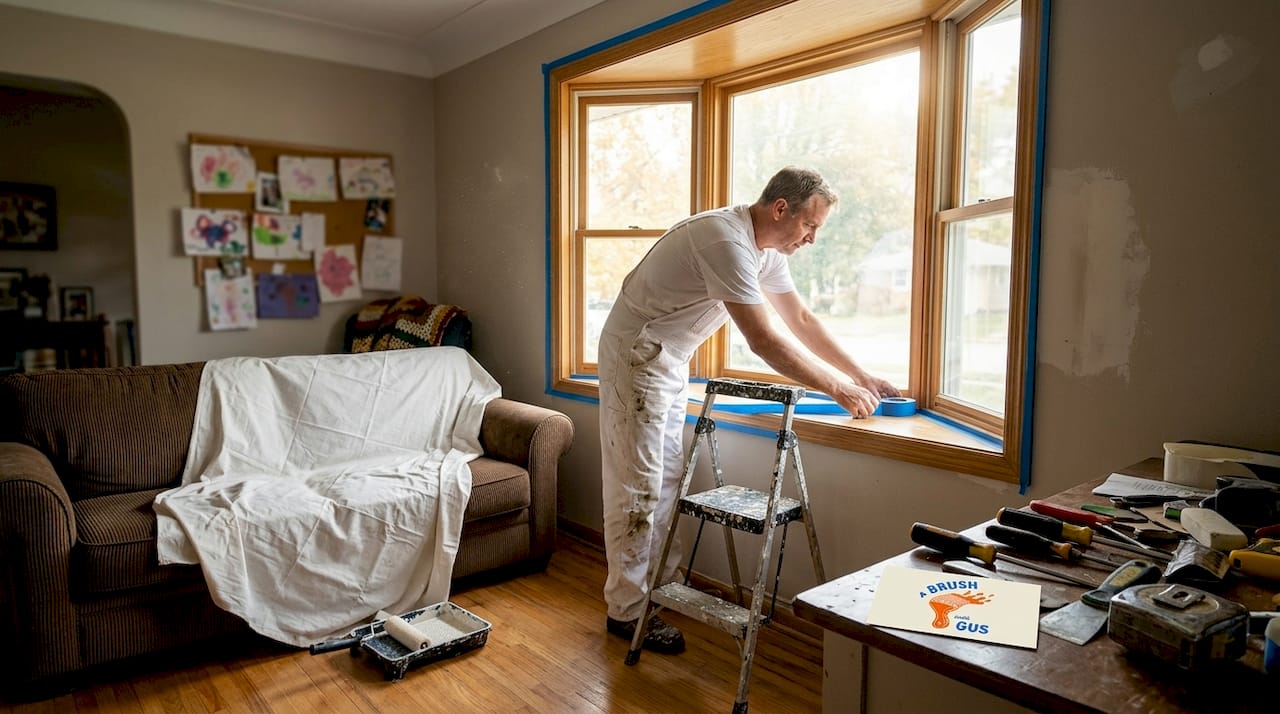
If you remember nothing else from this guide, remember this: preparation is the difference between a finish that lasts a decade and one that starts failing within a year. Experienced decorators will tell you that 80% prep, 20% painting leads to superior results. The actual application of paint is almost the easy part. What comes before it is where the real skill lies.
Proper preparation involves several distinct steps, each of which matters enormously:
Cleaning surfaces to remove grease, mould, and dust before any product is applied
Sanding to create a surface the paint can grip, especially on glossy or previously painted areas
Filling cracks and holes with appropriate filler, then sanding smooth once dry
Applying a mist coat on new plaster, typically a diluted emulsion at roughly 70% paint to 30% water, to seal the surface
Priming bare wood or metal to prevent bleed-through and improve adhesion
Removing all dust before the first coat goes on, as even fine particles cause visible bumps
Skipping any of these steps causes problems that no amount of topcoat can hide. Flaking, bubbling, and poor adhesion are almost always the result of rushed or skipped preparation, not a fault with the paint itself.
Paint quality matters here too. Professional-grade trade paints typically cover 12 to 16 m² per litre, compared to budget alternatives that may cover far less and require additional coats. Using the right product on a properly prepared surface is what produces that deep, even finish you see in professional results. You can read more about how surface prep affects outcomes in our guide to painting walls at home.
Pro Tip: Before hiring anyone, ask specifically what their preparation routine involves and which products they plan to use. A professional will answer in detail without hesitation. Vague answers are a warning sign.
Professional credentials, insurance, and guarantees
Solid preparation matters, but credentials and guarantees show you’re dealing with a true professional. This is the area where many homeowners make their biggest mistake: assuming that a friendly manner and a reasonable quote are enough. They are not.
Here is what to look for when assessing a painter’s credentials:
Qualifications such as City & Guilds or NVQ Level 2 or 3 in Painting and Decorating confirm formal training
Public liability insurance of at least £6 million, which protects your home and possessions if something goes wrong
Trade association membership, particularly with the Painting and Decorating Association (PDA) or the Federation of Master Builders (FMB)
Written warranties ranging from 2 to 12 or more years depending on the scope of work and products used
PDA membership, in particular, requires painters to meet specific standards before they are accepted. It is not a self-declared badge. Membership signals that the firm has been vetted for quality and adherence to professional codes of conduct. You can find out more in our professional painting guide for homeowners.
Factor | Certified painter | Unverified painter |
Formal training | City & Guilds or NVQ | Unknown or self-taught |
Public liability insurance | Minimum £6M | Often absent or inadequate |
Trade association membership | PDA or FMB vetted | None |
Written warranty | 2 to 12+ years | Rarely offered |
Accountability | Governed by professional code | No formal recourse |
The table above makes it clear why credentials matter beyond just peace of mind. If something goes wrong with an unverified painter, you may have no formal route to seek redress. With a certified professional, you do.
Clear communication, transparency, and trustworthiness
Credentials mean little without open, trustworthy communication, so let us explore what that looks like in practice. The way a painter communicates before the job begins tells you a great deal about how they will behave once they are working in your home.
Reputable painters on platforms like TrustATrader consistently rate 4.8 to 4.9 out of 5 across the South West, and those ratings are built on communication as much as quality of work. Homeowners repeatedly cite punctuality, clear explanations, and tidy working practices as the reasons they recommend a particular painter.
Before you commit to anyone, here is what you should request and check:
A detailed written quote that itemises labour, materials, number of coats, and any preparation work included
Proof of previous work, ideally photographs of completed projects similar to yours
References from recent clients you can contact directly, not just online reviews
Confirmation of timelines and what happens if the job overruns
A clear explanation of how your furniture and floors will be protected during the work
Understanding your rights and what to expect from a contractor is easier when you read our painting contractors guide before making any decisions. You might also find it useful to explore the benefits of professional painters to understand exactly what you are paying for.
Pro Tip: Always ask for the contact details of at least two previous clients and actually call them. Most homeowners skip this step. Those who do it rarely regret it.
Attention to detail, safe practices, and flawless finishes
Trust and professionalism set the stage for delivering flawless results, and here is what truly excellent work looks like when you see it. Attention to detail is not just about aesthetics. It is about whether the job will stand up over time.
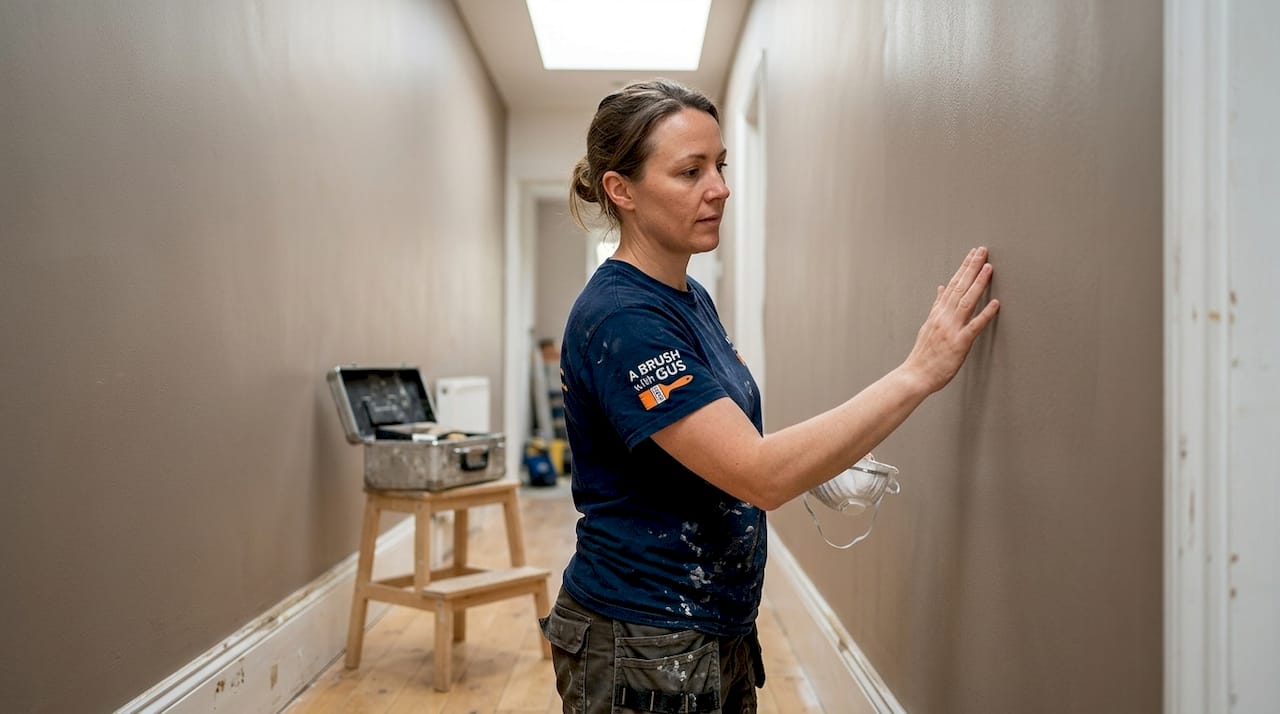
The NHBC (National House Building Council) sets a clear standard: a quality finish shows no conspicuous runs or brush marks when viewed from 2 metres away in natural daylight. That is the benchmark. If you can spot imperfections from a normal standing distance, the finish is not good enough.
Signs that a painter pays genuine attention to detail include:
Neat, clean cutting-in along edges, skirting boards, and ceiling lines without masking tape bleed
Consistent sheen across entire walls, with no patchy or uneven areas
Furniture and floors fully covered and protected throughout
Proper ventilation maintained while solvent-based products are in use
Full cleanup of all materials, dust sheets, and packaging before leaving
“Preparation is 80% of quality. Without it, even the best paint in the world will fail within months.” This is a principle that every reputable decorator in the trade holds as non-negotiable.
Safety is part of this picture too. Proper use of PPE (personal protective equipment), correct disposal of materials, and protecting your family from fumes or dust are all marks of a professional who takes their responsibility seriously. Our guides on quality finishes and home painting practices in the South West go into more detail on what to expect.
Common finish flaw | Cause | How good painters avoid it |
Brush marks visible | Rushed application, wrong brush | Correct tools, patient technique |
Peeling within months | Poor surface prep or no primer | Full preparation routine every time |
Patchy coverage | Insufficient coats or poor paint | Trade-grade paint, minimum two coats |
Paint on skirting or glass | Careless cutting-in | Careful edging, proper masking |
Uneven sheen | Inconsistent product or dilution | Consistent ratios, quality materials |
Why most cheap painters cost more in the end: Hard-won lessons
Here is something most homeowners only learn after a bad experience. The cheapest quote almost always reflects what has been left out, not what has been included. When a painter undercuts everyone else significantly, something has to give. Usually it is preparation time, insurance cover, or both.
We have seen this pattern repeatedly. A homeowner saves a few hundred pounds upfront, only to spend far more fixing peeling walls, mould caused by inadequate surface treatment, or damage that an uninsured painter cannot cover. The PDA vetting process exists precisely because these problems are so common. Vetted professionals are required to demonstrate competence before they can carry the badge.
The uncomfortable truth is that quality preparation prevents costly repairs down the line, and that takes time. Time costs money. A painter who charges properly for their work is one who is not cutting corners on the hours spent preparing your surfaces. Favouring PDA, FMB, or TrustATrader verified firms over unverified ones is not snobbery. It is simply good financial sense.
Find a trusted painter for your home project
If you are ready to secure lasting value and peace of mind for your next painting project, here is where to turn. Choosing a painter who ticks every box above is not always easy on your own, but it becomes much simpler when you work with a firm that has already built its reputation on exactly these standards.

At A Brush With Gus, Gus and Rhys bring years of hands-on experience to every project across the South West, from full interior refreshes to exterior transformations. Whether you need domestic painting services for your living spaces or exterior painting services to protect and refresh your home’s outside, the team is ready to help. Visit A Brush With Gus to request a quote and see what genuine quality looks like.
Frequently asked questions
What certifications should a painter have in the South West UK?
Look for City & Guilds or NVQ certifications alongside PDA or FMB membership, which confirms the painter has been independently vetted for quality and professional standards.
How can I check if my painter is properly insured?
Ask to see a current certificate of public liability insurance; minimum £6 million cover is the accepted standard for professional decorators working in residential properties.
Why does preparation matter more than painting itself?
Poor preparation causes peeling, bubbling, and adhesion failure regardless of paint quality; preparation is 80% of the job and directly determines how long the finish will last.
What finish should I expect from a professional painter?
The NHBC standard requires an even appearance with no conspicuous runs or brush marks when viewed from 2 metres away in natural daylight. Anything short of that is not a professional finish.
Recommended
Comments