
How weather affects exterior painting in South West UK
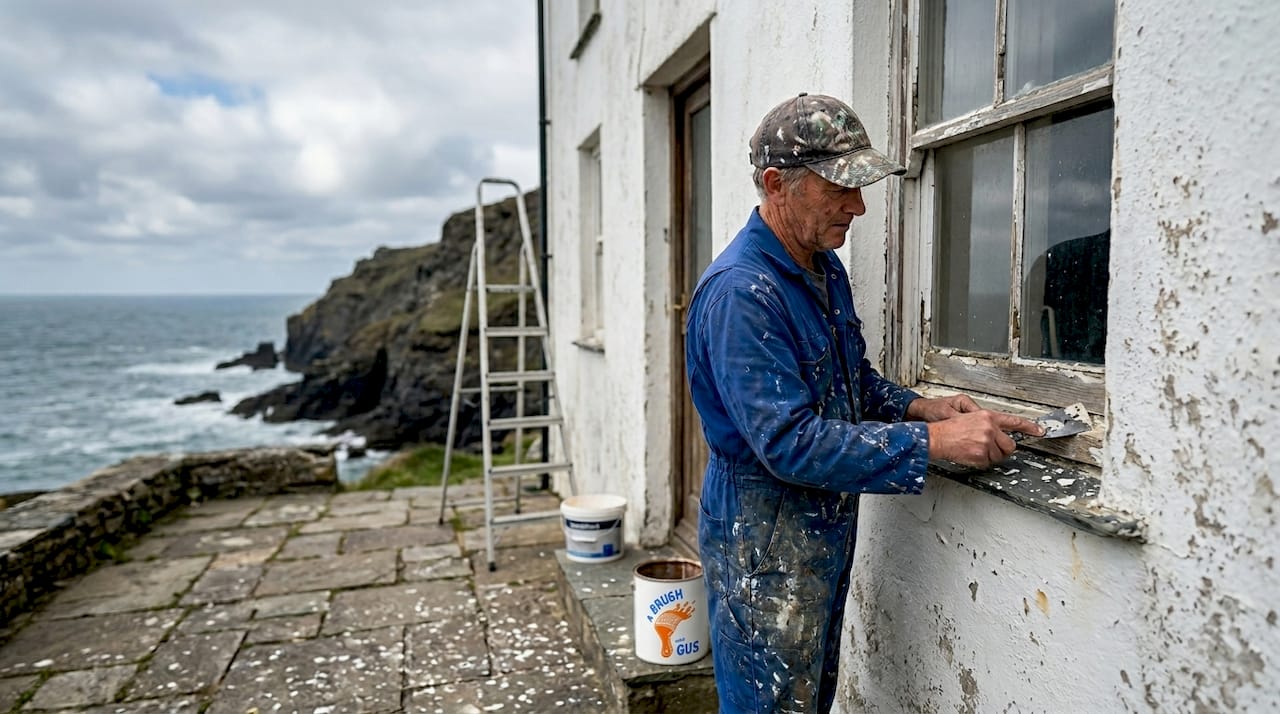
Even a mild drizzle or a sudden drop in temperature can dramatically impact paint performance and cut the lifespan of a fresh exterior finish in half. For homeowners in the South West, this is not a remote possibility but a regular reality. The region’s unpredictable mix of coastal winds, Atlantic rain, and surprising temperature swings makes timing an exterior paint job genuinely tricky. This guide cuts through the confusion and gives you clear, practical guidance on when to paint, what to watch for, and how to get a finish that actually lasts.
Table of Contents
Key Takeaways
Point | Details |
Weather is crucial | Weather conditions decide how long your exterior paint will last and how good it looks. |
Timing matters | Spring and early summer are best for painting exteriors in South West UK. |
Check surface conditions | Always measure surface temperature and dryness before starting to paint. |
Adapt to local climate | Coastal salt air and humidity create extra challenges, requiring extra care. |
Expert help benefits | Contractors with regional knowledge can achieve better, longer-lasting results. |
Why weather matters for exterior painting
Paint is not simply a coating you brush on and leave to dry. It undergoes a chemical curing process that depends on the right balance of temperature, humidity, and surface conditions. Get those conditions wrong and the paint may look fine for a few weeks before blistering, peeling, or fading far sooner than it should.
In fact, incorrect application conditions can easily halve the expected lifespan of even a premium exterior paint. Many homeowners blame the product when the real culprit is the weather on the day it was applied. If you have noticed signs you need exterior painting appearing sooner than expected on your home, weather during the last application may well be the reason.
“A sudden change in weather, even on a seemingly good day, can dramatically impact paint performance and longevity.”
Here are the most common paint problems that are actually caused by poor weather conditions rather than poor quality paint:
Blistering and bubbling: Moisture trapped beneath the film as paint dries too quickly in heat or too slowly in damp conditions
Peeling and flaking: Poor adhesion caused by surface condensation or residual moisture at the time of application
Chalking and dullness: UV degradation accelerated by applying paint in excessively hot, direct sunlight
Mould and mildew growth: Paint applied in high humidity that never fully cures, leaving a porous surface
Colour fading: Uneven curing caused by fluctuating temperatures during the drying window
For homes along the South West coastline, salt air adds another layer of complexity. Salt particles settle on surfaces and interfere with adhesion, meaning even professional painting techniques require additional preparation steps in coastal areas.
Temperature, humidity and moisture: what to watch
The single most misunderstood factor in exterior painting is the difference between air temperature and surface temperature. The air might feel perfectly warm, but a north-facing wall that has been in shade all morning could be several degrees colder and covered in invisible condensation.
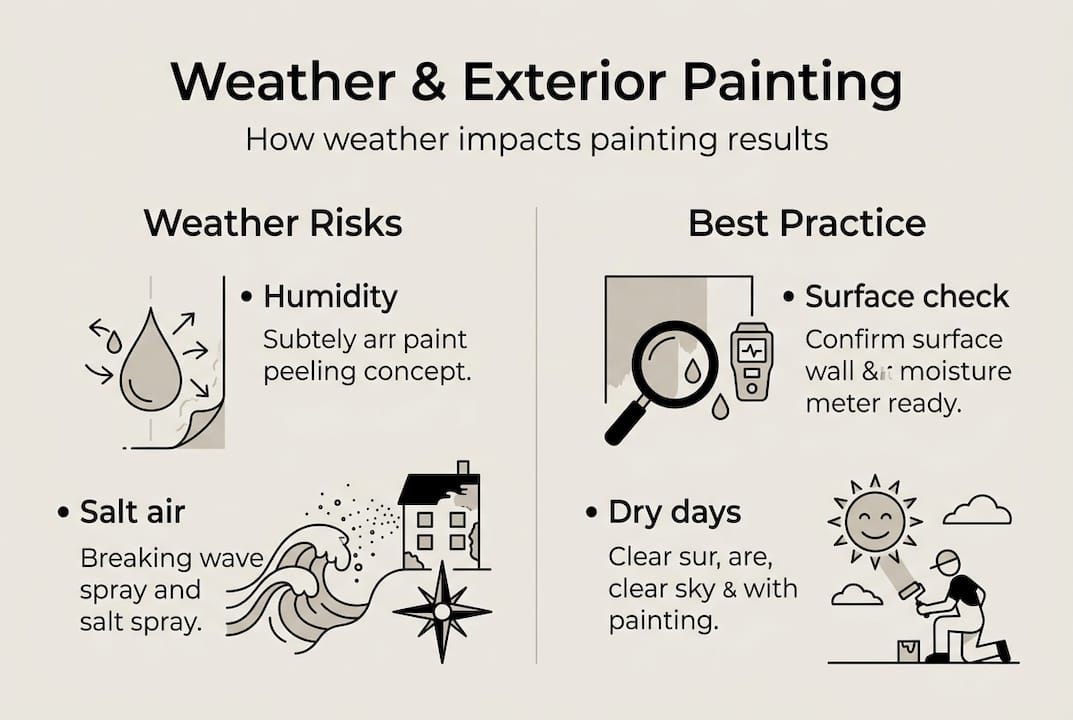
Surface temperature must be measured, not estimated from the weather app on your phone. As a rule, the surface should be at least 3 to 5°C above the dew point to prevent condensation forming under the paint film as it dries. Ignore this and you are almost guaranteed adhesion problems within months.
Leading paint manufacturers are clear on minimum temperatures. Dulux Weathershield requires application above 5 to 10°C and promises up to 15 years of protection when conditions are right. Apply it outside those parameters and that warranty promise becomes meaningless.
Pro Tip: Borrow or buy a handheld infrared thermometer. They cost very little and allow you to check the actual surface temperature of your walls before you open a single tin of paint. It takes thirty seconds and can save you an entire repaint.
The table below summarises the most common paint problems, their weather causes, and what to do about them:
Paint problem | Weather cause | What to do |
Blistering | High humidity or trapped moisture | Wait for dry conditions; check surface temp |
Peeling | Surface condensation at application | Measure dew point; allow surfaces to dry fully |
Poor adhesion | Temperature too low | Paint only above manufacturer’s minimum temp |
Slow drying | High humidity or cold air | Choose a dry, mild day with good air movement |
Salt bloom | Coastal salt deposits on surface | Wash and rinse surfaces thoroughly before painting |
For a broader overview of what goes into a successful project, our residential painting guide covers preparation, product selection, and what to expect from a professional job.
Best times of year to paint exteriors in South West UK
The South West has a milder climate than much of the UK, which is both a blessing and a trap. Mild winters can tempt homeowners into painting too early in the year, while the region’s high rainfall and coastal humidity mean that even summer days require careful assessment.
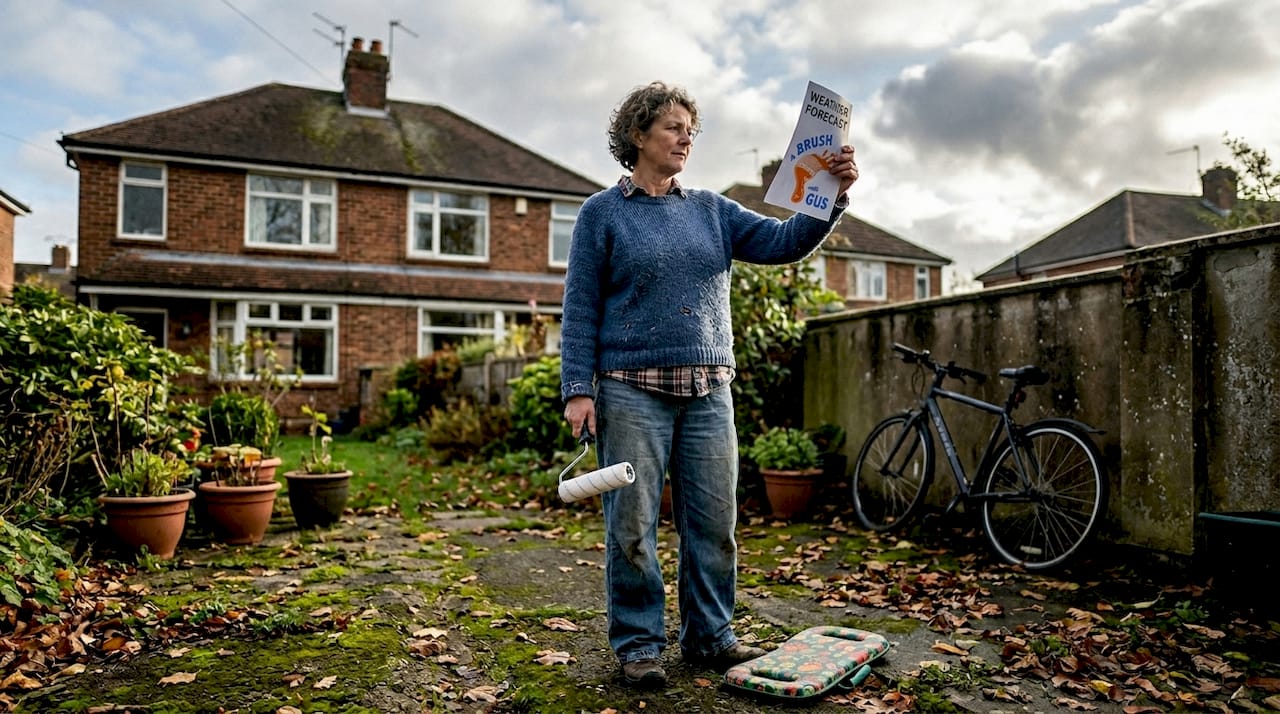
Spring and early summer offer the best painting windows for South West UK homeowners, though you must still watch for humidity and rain. Late April through to early July tends to give the most reliable combination of warmth, lower rainfall, and manageable humidity. Autumn can work in a good year, but the window narrows quickly as temperatures drop and rain increases from September onwards.
Here is a season-by-season comparison to help you plan:
Season | Pros | Cons |
Spring | Mild temps, lower humidity, longer days | Occasional late frosts; unpredictable rain |
Summer | Warm and dry spells; good drying conditions | Risk of overheating surfaces; UV can affect application |
Autumn | Cooler temps still workable in early autumn | Increasing rain and humidity; shorter dry windows |
Winter | Rarely suitable | Low temps, high humidity, frost risk, very short dry spells |
When reading a weather forecast ahead of a painting day, follow these steps:
Check the five-day forecast, not just the day itself. Paint needs 24 to 48 hours to cure properly.
Look for relative humidity below 85%. Above this, drying slows dramatically.
Confirm overnight temperatures will stay above 5°C for at least two nights after application.
Watch for dew point warnings, particularly in coastal areas near Cornwall, Devon, and Dorset.
Avoid scheduling work immediately after heavy rain. Allow at least two full dry days for surfaces to normalise.
For guidance on budgeting your project around the best season, our affordable painting guide for South West UK is a useful starting point. You can also read about choosing trusted painting contractors who understand regional conditions, and keep an eye on our blog for seasonal planning tips.
Planning and adapting to weather changes
Even the best-laid plans can be disrupted by the South West’s famously changeable weather. The key is building flexibility into your project from the start rather than trying to push through in marginal conditions.
Before work begins, prepare your surfaces to account for residual moisture and salt. This means a thorough wash-down, time to dry, and a close inspection for any areas where moisture might be sitting beneath the surface. Our thorough exterior cleaning service is specifically designed to get surfaces into the right condition before any paint goes on.
Here are the practical steps to stay in control when weather threatens your project:
Monitor forecasts daily using a reliable local source such as the Met Office, not just a general app
Keep a simple weather log noting temperature, humidity, and surface conditions each morning before work starts
Build in buffer days so that a lost day to rain does not derail the whole schedule
Cover freshly painted surfaces if unexpected rain is forecast within the curing window
Never paint over damp surfaces even if they look dry to the eye; use your thermometer and check the dew point
Pro Tip: Set a simple rule for your project: if you are unsure about conditions, wait. One lost day costs far less than a full repaint six months later. Correct conditions can yield 6 to 15 years of protection from a premium system. Rushing that window away is an expensive mistake.
For a full picture of what to consider before starting, revisit our residential painting considerations guide which covers surface prep alongside weather planning.
Expert tips for lasting exterior finishes
Getting the timing right is only part of the equation. How you prepare, prime, and apply paint in South West conditions determines whether you get a finish that lasts a decade or one that starts failing within a couple of years.
Coastal properties face particular challenges. Salt air does not just sit on the surface; it works into masonry and timber over time, creating a hostile environment for paint adhesion. Washing down with fresh water and allowing a full two dry days before painting is the minimum standard for any coastal home.
“Dulux Weathershield provides up to 15 years of protection if applied during proper weather conditions.”
Here are five expert tips tailored to South West conditions:
Wait 48 hours after rain before painting any exterior surface, regardless of how dry it looks
Prime bare or porous surfaces to seal them before topcoats go on, particularly on older masonry
Paint in the shade where possible to avoid surfaces overheating in direct summer sun, which causes the paint to skin over before it has properly bonded
Apply thin, even coats rather than one thick coat; this allows each layer to cure fully and builds a more resilient film
Check the dew point every morning before starting work, especially in autumn when overnight temperatures drop quickly
For homes that need a full exterior refresh, our professional exterior painting service covers everything from surface assessment to final coat, with weather monitoring built into every project schedule.
Achieve perfect exterior finishes with expert help
Knowing the rules is one thing. Applying them consistently across a full exterior project, while managing unpredictable South West weather, is where experience really counts.

At A Brush With Gus, Gus and Rhys bring years of hands-on experience painting homes across the South West, from coastal Devon properties to inland Somerset farmhouses. Every project includes site-specific surface testing, flexible scheduling built around real weather forecasts, and thorough preparation to ensure paint goes on in the right conditions every time. Whether you need a full exterior repaint, UPVC spraying, or just want advice on timing your project, our exterior home painting service is the place to start. You can also explore our domestic painting solutions or book a cleaning and prep service to get your surfaces ready before the brush ever touches the wall. Get in touch for a free, no-obligation quote.
Frequently asked questions
Can I paint my house exterior in winter in South West UK?
Winter painting is not recommended because low temperatures and high humidity significantly reduce paint performance, adhesion, and drying times, even in the milder South West climate.
Why is it important to measure surface temperature, not just air temperature?
A wall can be several degrees colder than the surrounding air, and surface temp must be checked to confirm it is above the dew point before painting begins, otherwise condensation forms beneath the paint film.
How long does exterior paint last if applied in ideal weather?
Premium systems like Dulux Weathershield last 6 to 15 years when applied correctly in suitable conditions, making weather timing one of the most cost-effective decisions you can make.
What should I do if the forecast changes during my painting project?
Pause work immediately, protect any freshly painted surfaces, and only resume once conditions turn favourable again, as pushing on in poor weather risks adhesion failure and a costly repaint.
Recommended
Comments