
What is professional painting: a homeowner's guide
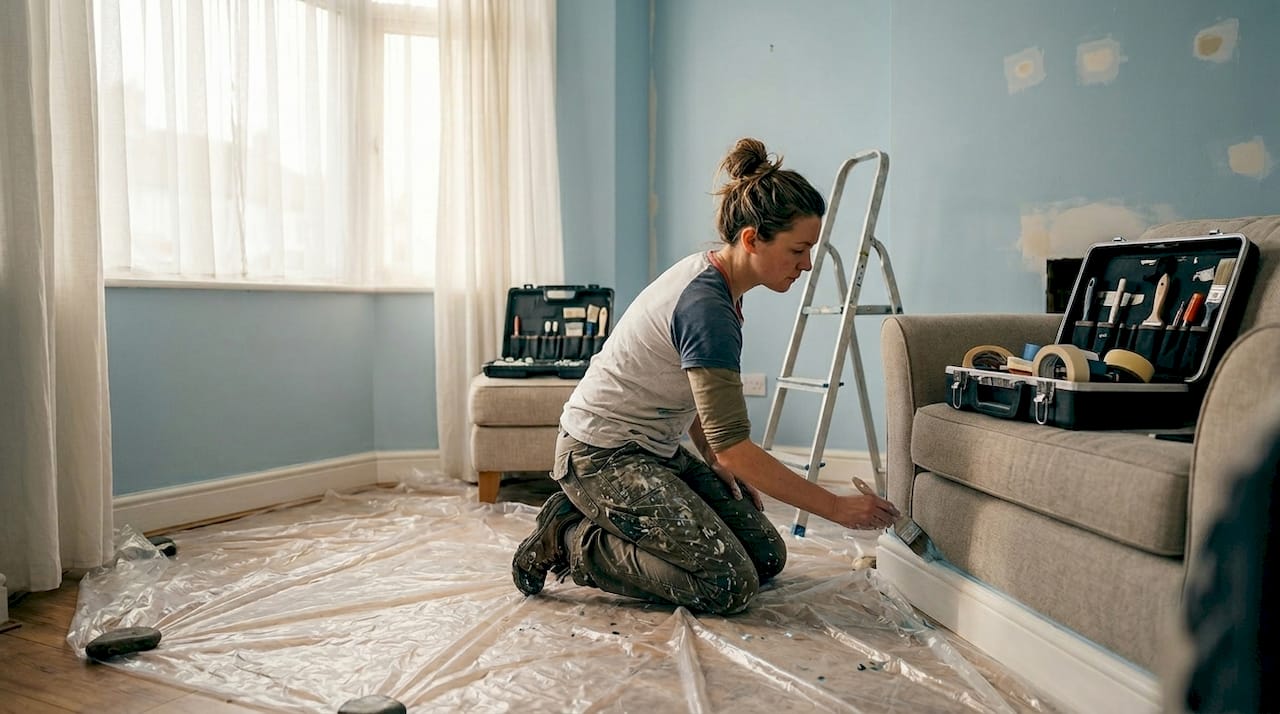
When you’re considering a fresh coat of paint for your home, you might wonder what truly separates professional painting from a DIY weekend project. Many homeowners assume painting is straightforward, but professional painters bring specialised skills, industry-standard techniques, and quality materials that transform your space whilst protecting your investment. This guide clarifies what professional painting involves, the services available, and how to choose the right painter for your South West home, helping you make confident decisions that deliver lasting results.
Table of Contents
Key Takeaways
Point | Details |
Surface preparation essential | Meticulous cleaning, sanding and repairs form the foundation for paint adhesion and a long lasting finish. |
Premium materials and techniques | Pro painters use high quality primers and paints suited to moisture exposure and sunlight, guaranteeing a durable finish. |
Controlled application technique | Professional finish comes from proper brush and roller methods and correct drying times to avoid drips and brush marks. |
Safety and insurance | They follow health and safety regulations and carry insurance to protect you against accidents. |
Interior and exterior work | Professional painting covers interior and exterior residential projects tailored to your home. |
What professional painting means for your home
Professional painting starts with meticulous surface preparation that amateur painters often overlook. This includes cleaning walls to remove dirt and grease, sanding rough patches, filling cracks and holes, and repairing damaged woodwork or render. These preparatory steps create the foundation for paint adhesion and longevity.
Expert painters select high-quality primers and paints specifically suited to your project’s requirements. They consider factors like moisture exposure, sunlight intensity, surface material, and desired finish. Professional painting involves thorough surface preparation, using premium materials and skilled application techniques that guarantee durability, ensuring your investment delivers value for years.
Application technique separates professionals from enthusiasts. Skilled painters understand brush and roller methods that eliminate streaks, drips, and visible brush marks. They know proper paint consistency, optimal environmental conditions for application, and correct layering sequences. Each coat receives adequate drying time, preventing adhesion problems and ensuring the finish cures properly.
Professionals also grasp paint chemistry and how different formulations behave. They recognise when temperature or humidity might compromise results and adjust their approach accordingly. This knowledge prevents common failures like blistering, cracking, or premature fading that plague amateur projects.
Safety and compliance matter too. Professional painters follow health and safety regulations, use appropriate protective equipment, and handle materials responsibly. They carry proper insurance coverage, protecting you from liability should accidents occur.
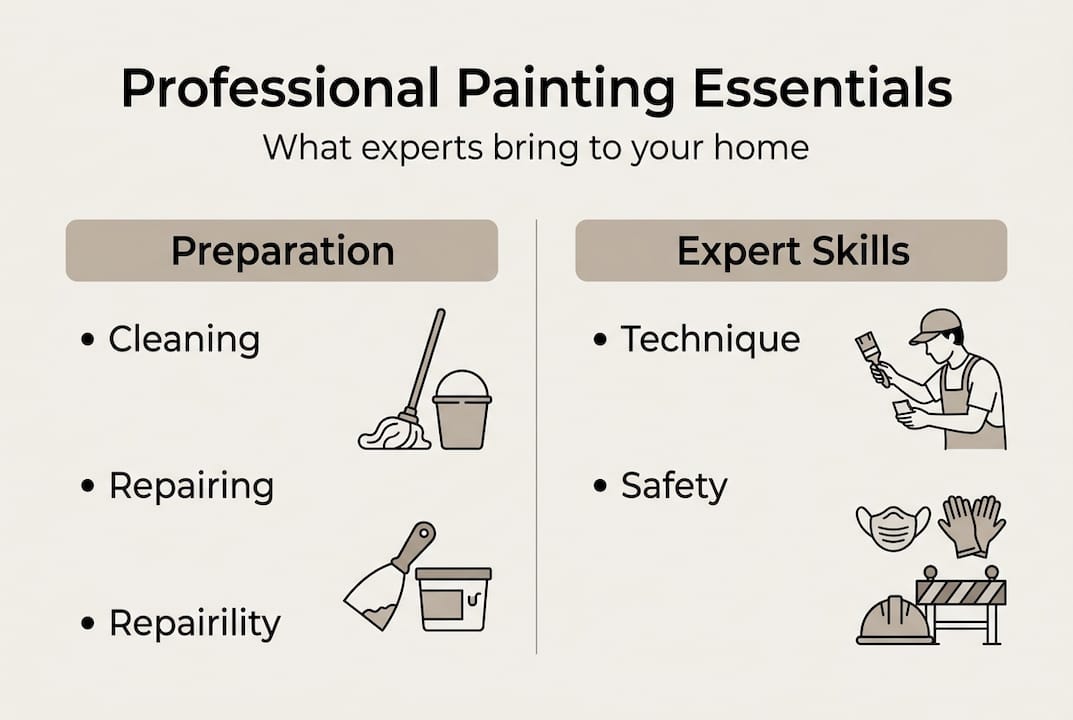
Compared to DIY efforts, domestic painting services deliver superior results that maintain their appearance and protective qualities far longer. The difference becomes apparent within months as amateur paintwork shows wear whilst professional finishes remain fresh.
Pro Tip: Always ask potential painters about their surface preparation process. Thorough prep work accounts for roughly 70% of a successful paint job’s longevity and appearance.
Now that you understand what professional painting encompasses, let’s compare professional and amateur approaches to see clear differences.
Professional painting versus amateur painting: key differences
The gap between professional and amateur painting becomes obvious when you examine specific attributes. Amateur painters frequently skip essential preparation steps, rushing straight to paint application. They might wipe surfaces with a damp cloth rather than properly cleaning and degreasing them. Sanding gets neglected or done half-heartedly, leaving rough patches that show through the final coat.
Material quality creates another stark divide. DIY enthusiasts often choose budget paints from general retailers, sacrificing coverage, durability, and colour retention. Professionals source trade-quality products formulated for specific applications, whether that’s moisture-resistant bathroom paint or weatherproof exterior coatings. The cost difference per litre seems significant until you factor in coverage rates and longevity.
Application quality tells the real story. Amateur work typically shows visible brush strokes, roller marks, uneven coverage, and occasional drips or runs. Corners and edges receive inconsistent attention. Homes painted professionally have longer lasting finishes and better protection against weather damage, delivering smooth, uniform coverage that looks factory-applied.
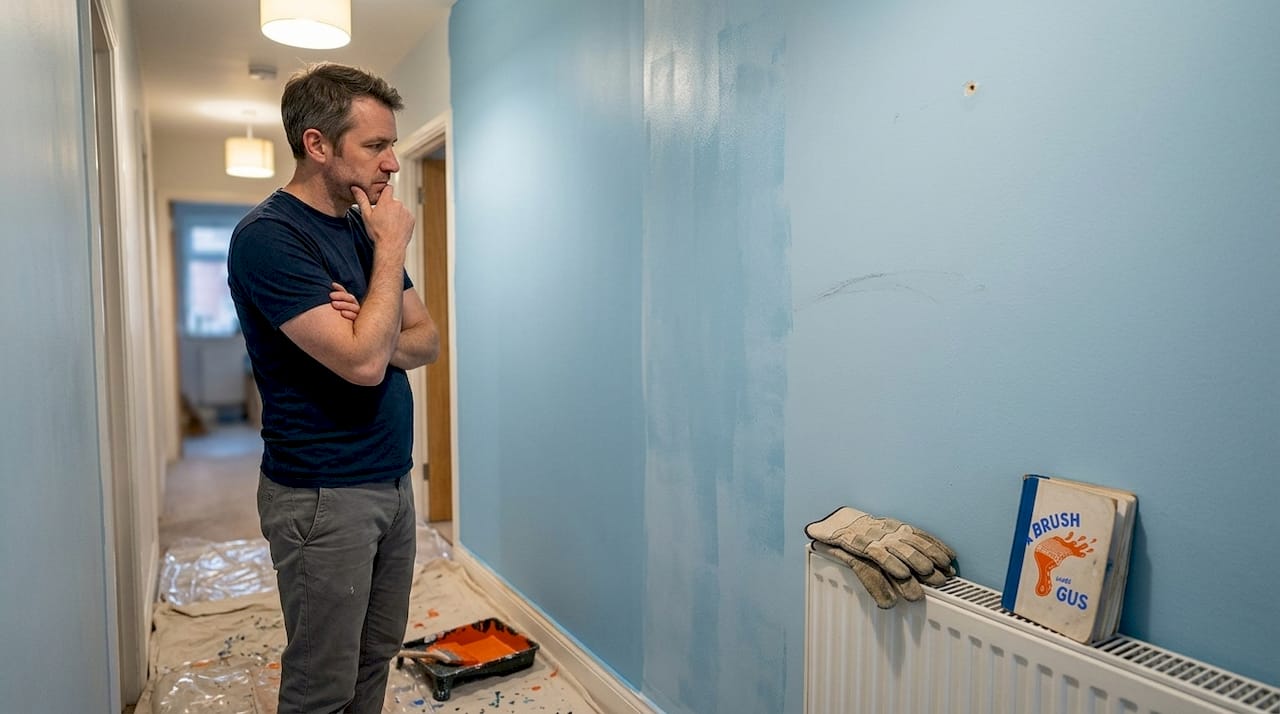
Drying time represents another critical difference. Impatient DIY painters often apply second coats before the first has properly cured, creating adhesion problems and prolonging overall drying. Professionals understand manufacturer specifications and environmental factors affecting cure times, scheduling work to optimise results.
Attribute | Amateur painting | Professional painting |
Surface preparation | Minimal cleaning, limited repairs | Thorough cleaning, comprehensive repairs, proper sanding |
Material quality | Budget consumer-grade paints | Trade-quality, application-specific coatings |
Application technique | Visible marks, uneven coverage | Smooth, uniform, factory-quality finish |
Durability | 2-4 years before issues appear | 7-10+ years with proper maintenance |
Time investment | Extended due to learning curve | Efficient completion within agreed schedule |
Cost-effectiveness | Lower upfront, higher long-term cost | Higher upfront, lower long-term cost |
The financial equation favours professionals when you calculate cost per year of service life. A £500 DIY job lasting three years costs more annually than a £1,200 professional job lasting ten years, before considering your time investment.
Experience also matters for problem-solving. When professionals encounter issues like staining, moisture damage, or incompatible existing coatings, they recognise symptoms and apply appropriate solutions. Amateurs might paint over problems, creating worse situations down the line.
Exterior home painting services particularly benefit from professional expertise, as weather exposure amplifies any application deficiencies. Similarly, proper cleaning services for painting preparation establish the foundation for lasting results.
Pro Tip: Request sample areas before committing to full projects. Seeing the difference between amateur and professional application quality on your own walls makes the value proposition crystal clear.
Having seen these differences, let’s examine the specific interior and exterior services professional painters offer to homeowners.
Typical services offered by professional painters for homeowners
Professional painters provide comprehensive solutions covering virtually every painted surface in and around your home. Interior services form the core offering for most residential projects:
Wall and ceiling painting in all rooms, including challenging spaces like stairwells and high ceilings
Woodwork finishing for skirting boards, door frames, window frames, and architraves
Door painting or refinishing, including preparation of previously painted or varnished surfaces
Kitchen and bathroom cabinetry painting or refinishing for cost-effective updates
Feature wall creation using specialist paints, wallpaper preparation, or decorative techniques
Exterior services address your home’s protective envelope and kerb appeal. These typically include walls and render in various finishes, external woodwork like fascias and soffits, fencing and garden structures, front and back doors requiring weather-resistant coatings, and garage doors or outbuildings.
Preparatory work distinguishes professional service packages. Power washing removes dirt, algae, and loose material from exterior surfaces before painting. Crack filling and render repairs prevent moisture ingress. Wood rot treatment and replacement ensure structural integrity beneath new coatings.
Many professionals offer colour consultation services, helping you select schemes that complement your home’s architecture and surrounding environment. They understand how different lights affect colour perception and can recommend palettes that work in South West conditions. Environmentally conscious painters stock low-VOC and eco-friendly paint options, reducing indoor air quality impacts and environmental footprints.
Professional painters provide comprehensive interior and exterior painting services tailored to the residential environment and regional climate, ensuring appropriate product selection and application methods.
The typical project process follows a structured sequence:
Initial assessment and quotation, including site visit, surface evaluation, and detailed cost breakdown
Surface preparation encompassing cleaning, repairs, sanding, and priming as required
Primer application using products matched to surface type and topcoat requirements
Paint application in multiple coats with proper drying intervals between layers
Final inspection, touch-ups, and thorough cleaning to leave your home spotless
Warranties or guarantees accompany quality professional work. These might cover material defects, application issues, or premature failure, providing peace of mind and recourse should problems arise. Guarantee terms vary, but reputable painters stand behind their workmanship.
Both domestic painting services and exterior home painting services should include clear communication throughout the project, respecting your home and schedule whilst delivering exceptional results.
With a clear picture of offered services, the next section guides you on how to choose the right professional painter for your home.
Choosing the right professional painter for your home
Selecting the right painter requires careful evaluation beyond simply comparing quotes. Start by checking credentials and professional memberships. Trade organisations like the Painting and Decorating Association indicate commitment to industry standards and ongoing professional development. Membership doesn’t guarantee quality, but it suggests seriousness about the profession.
Insurance coverage protects both you and the painter. Public liability insurance covers accidental damage to your property or belongings during work. Employers’ liability insurance protects workers should injuries occur. Always verify current coverage before work begins, as expired policies leave you vulnerable to significant financial exposure.
Reviews and references provide invaluable insights into real customer experiences. Selecting painters with strong local reputations, verified reviews, and professional certifications ensures quality workmanship. Look for patterns in feedback rather than isolated comments. Consistent praise for punctuality, cleanliness, and communication matters more than occasional glowing reviews.
Detailed quotations separate serious professionals from chancers. Comprehensive quotes should specify:
Exact surfaces to be painted and preparation methods for each
Paint brands, product lines, and number of coats
Expected project timeline with start and completion dates
Payment schedule tied to project milestones
Warranty or guarantee terms with specific coverage details
Cleanup and waste disposal procedures
Vague quotes with round-number estimates often lead to disputes and unexpected costs. Insist on specificity before committing.
Free consultations demonstrate confidence and customer focus. During consultations, assess communication style and willingness to answer questions. Do they listen to your concerns? Can they explain technical aspects in understandable terms? Do they offer suggestions based on your specific situation rather than generic advice?
Colour advice adds significant value, particularly if you struggle with design decisions. Experienced painters understand how colours interact with lighting, furnishings, and architectural features. They can suggest schemes that achieve your desired atmosphere whilst avoiding costly mistakes.
Safety practices matter, especially for exterior work involving ladders, scaffolding, or height access equipment. Professional painters follow safety protocols, use appropriate equipment, and carry relevant safety certifications. Don’t hesitate to ask about their safety record and procedures.
Post-painting cleaning distinguishes considerate professionals from those who leave you with mess. Clarify cleanup expectations upfront. Will they remove all materials, clean paint splashes, and vacuum dust? Or will you face hours of cleanup after they leave?
Guarantees reflect confidence in workmanship quality. Reputable painters offer guarantees covering application defects, premature failure, or material issues. Understand what’s covered, exclusions, and claim procedures before work begins.
Pro Tip: Interview at least three painters before deciding. This gives you comparison points for pricing, approach, and professionalism whilst helping you recognise exceptional value when you find it.
Armed with this knowledge, you are now better prepared to hire professional painters who meet your needs and expectations.
Discover expert painting services with A Brush With Gus
Choosing the right painting partner transforms your home improvement project from stressful to satisfying. A Brush With Gus brings years of experience serving South West homeowners with comprehensive domestic painting services and exterior home painting services designed for regional conditions.

Their professional team understands South West weather patterns and how they affect paint performance. They select materials proven to withstand coastal moisture, temperature fluctuations, and UV exposure common to Cornwall and surrounding areas. Surface preparation receives meticulous attention, ensuring coatings adhere properly and deliver maximum longevity.
Post-painting cleaning services leave your home spotless, eliminating the dust and disruption often associated with decorating projects. Free consultations help you explore options, understand costs, and make informed decisions aligned with your budget and preferences. Their family-operated approach prioritises customer relationships over transactional interactions, building trust through transparent communication and reliable service delivery.
To round off this guide, find quick answers to your pressing questions about professional painting in the FAQ below.
Frequently asked questions
What qualifications should professional painters have?
Look for membership in recognised trade bodies like the Painting and Decorating Association, which indicates professional standards commitment. Valid public liability insurance covering at least £2 million protects you from accident-related costs. Certifications in specialist techniques like spray painting or heritage restoration add value for specific projects.
How long does a typical professional painting job take?
Job duration depends on project size, surface condition, and coating requirements. A single room might take two to three days including preparation, whilst whole-house interior projects typically require one to two weeks. Exterior painting often spans one to three weeks depending on property size and weather conditions. Detailed quotes should specify expected timelines.
How should I prepare my home before professional painters arrive?
Remove fragile items, artwork, and decorative objects from work areas to prevent damage. Clear furniture away from walls or move it to room centres where painters can work around it. Communicate any special concerns like pet access, alarm systems, or delicate surfaces requiring extra care. Most preparation falls to the painters, but clearing clutter helps them work efficiently.
How often should I repaint my home’s interior and exterior?
Interior repainting typically occurs every five to seven years depending on wear, though high-traffic areas like hallways might need attention sooner. Exterior painting intervals range from five to ten years based on exposure, material quality, and climate conditions. South West coastal properties often require more frequent exterior maintenance due to salt air and moisture.
What measures do professional painters take to protect my home during painting?
Professional painters use dust sheets and protective coverings for floors, furniture, and fixtures throughout work areas. They mask edges carefully to achieve clean lines without paint bleed. Equipment receives careful handling to prevent wall damage or surface scratching. Thorough post-job cleaning removes dust, paint splashes, and debris, leaving your home ready to enjoy immediately.
Recommended
Comments